

22 April 2026 Punjab Khabarnama Bureau : Tensions in the Middle East escalated once again after two commercial ships were reportedly attacked in the Strait of Hormuz, a vital global oil transit route, even as Donald Trump signalled support for extending a ceasefire in the region.
According to initial reports, the vessels came under attack while navigating through the narrow waterway that connects the Persian Gulf to the Gulf of Oman. The Strait of Hormuz is one of the world’s most critical chokepoints, handling a significant portion of global oil shipments. Any disruption in this region has immediate implications for energy markets and global trade.
Details about the nature of the attacks remain limited, but maritime security agencies indicated that the ships sustained damage. There were no immediate confirmations regarding casualties, though investigations are ongoing to assess the extent of the incident.
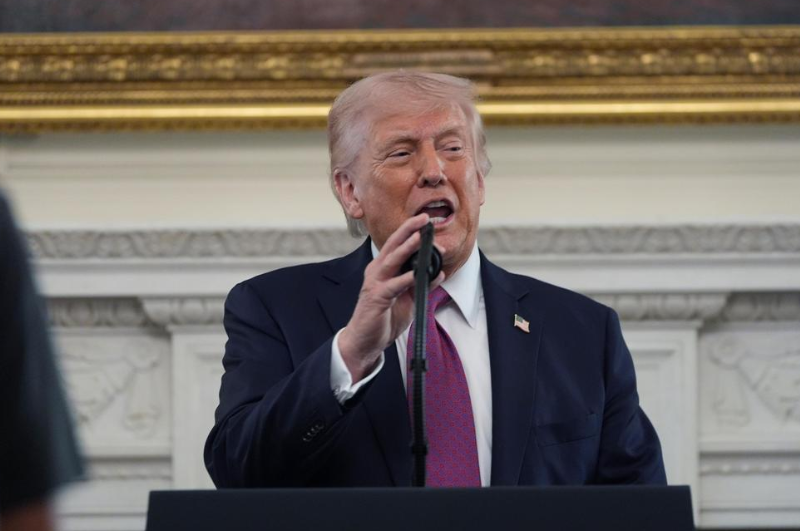
The attacks come at a sensitive time, as diplomatic efforts are underway to stabilise the region. Donald Trump, who has been actively involved in discussions related to the conflict, expressed willingness to extend a ceasefire, emphasising the importance of de-escalation and dialogue.
However, the latest developments highlight the fragile nature of the situation. Even as political leaders push for peace, incidents like these underscore the risks of miscalculation and escalation in a region already marked by heightened tensions.
Maritime authorities have issued advisories to vessels operating in the area, urging caution and enhanced security measures. Shipping companies are closely monitoring the situation, with some considering rerouting options to avoid potential risks.
The Strait of Hormuz has long been a focal point of geopolitical tensions, given its strategic importance. Any threat to its security can disrupt global oil supply chains, leading to volatility in energy prices and broader economic consequences.
Analysts note that such incidents can have a ripple effect across financial markets. Oil prices often react sharply to disruptions in supply routes, influencing inflation and economic stability in oil-dependent countries.
The timing of the attacks has raised questions about their potential impact on ongoing diplomatic efforts. While ceasefire discussions aim to reduce hostilities, acts of aggression can complicate negotiations and erode trust between parties.
International stakeholders have called for restraint and a thorough investigation into the incident. Ensuring the safety of maritime routes is seen as a shared responsibility, requiring cooperation among regional and global powers.
Security experts emphasise the need for enhanced surveillance and coordination to prevent further incidents. The use of advanced monitoring systems and increased naval presence are among the measures being considered.
For the global economy, the stability of the Strait of Hormuz remains a critical concern. Disruptions in this corridor can affect not only oil prices but also the broader supply chain, impacting industries worldwide.
The situation also highlights the interconnected nature of geopolitics and economics. Developments in one region can have far-reaching consequences, influencing markets and policy decisions across the globe.
As investigations continue, attention will remain focused on identifying those responsible for the attacks and preventing similar incidents in the future. Diplomatic efforts are expected to continue, with the aim of achieving a more stable and secure environment.
In conclusion, the attack on two ships in the Strait of Hormuz amid discussions of a ceasefire extension underscores the volatility of the region. While diplomatic initiatives offer hope for de-escalation, incidents like these highlight the challenges of achieving lasting peace.
Summary
Two ships were attacked in the Strait of Hormuz amid ceasefire extension efforts, raising tensions and concerns over global oil supply as investigations continue into the incident and its implications.