

22 April 2026 Punjab Khabarnama Bureau : The Hezbollah has claimed responsibility for launching attacks on northern Israel, stating that the strikes were carried out in response to what it described as repeated violations of a ceasefire agreement by Israeli forces.
In an official statement, Hezbollah said its actions were retaliatory in nature, accusing Israel of breaching the terms of an existing truce. The group did not immediately provide detailed evidence of the alleged violations but maintained that its response was necessary to deter further actions.
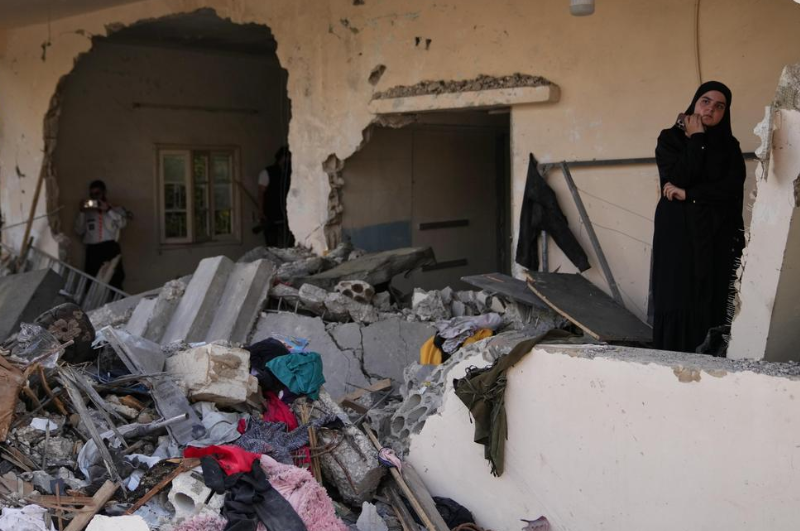
Israeli authorities, meanwhile, acknowledged incoming fire in northern regions, with air raid sirens reportedly activated in several areas. The Israeli military responded with counterstrikes targeting locations it said were linked to Hezbollah positions. The exchange has heightened concerns about a potential escalation along the already volatile border.
The situation remains fluid, with both sides presenting differing accounts of events. While Hezbollah insists its actions were defensive, Israeli officials have described the attacks as unprovoked and a threat to regional stability.
The border between Israel and Lebanon has witnessed periodic flare-ups over the years, but recent tensions have raised fears of a broader conflict. The current developments come at a time when diplomatic efforts are underway to maintain a fragile ceasefire in the region.
International observers have called for restraint from both sides, emphasising the importance of de-escalation. Any further escalation could have serious consequences not only for the immediate region but also for global security dynamics.
Residents in northern Israel reported hearing explosions and sought shelter as a precautionary measure. Emergency services were placed on high alert, though initial reports did not confirm significant casualties.
On the Lebanese side, there have been concerns about potential retaliatory strikes, with local communities bracing for further developments. The risk of civilian impact remains a key concern as tensions persist.
Security analysts note that such exchanges often follow a pattern of action and retaliation, making it difficult to break the cycle without sustained diplomatic intervention. The presence of multiple actors and complex alliances further complicates the situation.
The ceasefire, which had been holding tenuously, now appears under strain. Incidents like these test the durability of such agreements and highlight the challenges in maintaining long-term peace.
Global powers and regional stakeholders are closely monitoring the developments. Calls for dialogue and adherence to ceasefire terms have intensified, with many urging both sides to avoid actions that could lead to a wider conflict.
The broader geopolitical context also plays a role, as tensions in the Middle East continue to evolve. Developments in one area can quickly influence dynamics elsewhere, adding to the complexity of the situation.
Experts warn that miscalculations or misunderstandings could lead to unintended escalation. Clear communication and adherence to agreed frameworks are seen as essential in preventing further deterioration.
As the situation unfolds, the focus remains on preventing further violence and restoring stability. Diplomatic channels are expected to be engaged to address the immediate crisis and reinforce the ceasefire.
In conclusion, Hezbollah’s claim of attacking northern Israel in response to alleged truce violations has added to rising tensions in the region. With both sides exchanging fire and presenting conflicting narratives, the need for restraint and dialogue has become more urgent than ever.
Summary
Hezbollah said it attacked northern Israel in response to alleged truce violations, prompting Israeli counterstrikes and raising concerns of escalation as tensions increase along the volatile border region.