

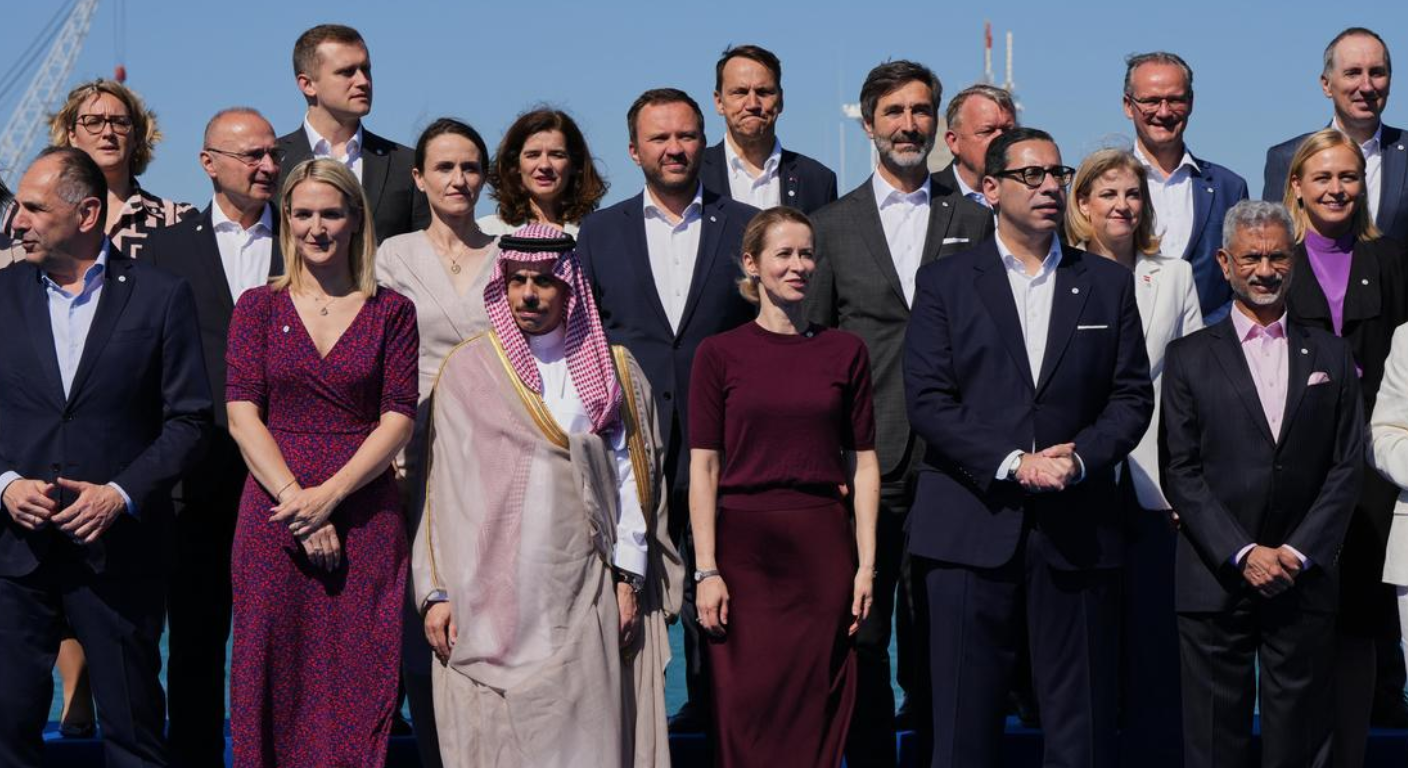
28 May 2026 Punjab Khabarnama Bureau : European Union foreign ministers have said that Russia will not be allowed to decide who represents Europe in any potential future peace negotiations related to the Ukraine conflict.
The remarks came amid renewed diplomatic discussions surrounding possible pathways toward negotiations aimed at ending the prolonged war between Russia and Ukraine.
EU officials emphasized that European countries have a direct stake in regional security and therefore retain the right to determine their own representation in any future diplomatic process.
Europe Rejects Russian Conditions
European ministers reportedly responded strongly to suggestions that Moscow could attempt to influence or limit which European leaders or institutions participate in future peace talks.
Officials stressed that decisions regarding European representation would be made collectively by European nations and institutions rather than by Russia.
The comments highlighted continuing tensions between Moscow and European governments over diplomacy, sanctions, and security arrangements linked to the war.
Ukraine War Continues To Shape European Security
The Russia-Ukraine conflict remains one of the biggest security crises in Europe in decades.
The war has significantly affected:
- European security policy
- Energy markets
- Military spending
- Refugee movements
- Global food supply chains
- International diplomacy
European governments continue supporting Ukraine politically, financially, and militarily.
Debate Over Future Peace Talks
Discussions about possible negotiations have intensified in recent months as international leaders explore whether conditions for diplomatic engagement could eventually emerge.
However, major disagreements remain regarding:
- Territorial control
- Security guarantees
- Ceasefire terms
- NATO-related concerns
- Sanctions
- Reconstruction plans
Analysts say meaningful peace negotiations still face significant obstacles.
EU Wants Unified Position
European leaders have repeatedly emphasized the importance of maintaining a unified approach toward Russia and the Ukraine conflict.
EU ministers stated that any future diplomatic framework must involve countries directly affected by the conflict and broader European security dynamics.
Officials also stressed that Ukraine itself must remain central to any negotiation process.
Russia-West Relations Remain Strained
Relations between Russia and Western nations remain deeply tense following years of conflict, sanctions, and military escalation.
The war has triggered:
- Large-scale sanctions against Russia
- Expanded NATO military activity
- Increased European defense cooperation
- Diplomatic breakdowns between Moscow and Western capitals
Ukraine Continues Seeking Support
Ukraine continues seeking military and diplomatic support from European allies as fighting persists across multiple fronts.
Kyiv has consistently argued that any negotiations must respect Ukraine’s sovereignty and territorial integrity.
European Security Architecture Under Focus
Experts say the debate over representation reflects broader questions regarding Europe’s future security structure and geopolitical influence.
European governments increasingly want stronger involvement in decisions affecting regional stability rather than relying solely on outside powers.
Diplomacy Still Uncertain
Despite periodic discussions about negotiations, analysts caution that no immediate breakthrough appears likely.
Military operations and political disagreements continue complicating efforts toward a comprehensive settlement.
International Attention Remains High
The conflict continues drawing close international attention because of its impact on:
- Global energy prices
- Defense alliances
- International trade
- Food security
- Geopolitical stability
Observers say future diplomatic developments could significantly influence global politics and European security for years to come.