

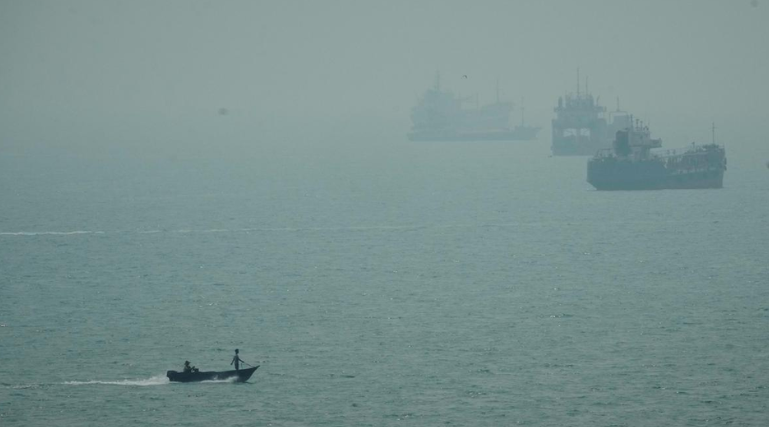
9 September 2026 Punjab Khabarnama Bureau : The United States and Iran have traded fresh military blows around the Strait of Hormuz, deepening a standoff over control of the strategically vital waterway and raising concerns over global energy supplies.
The latest escalation comes after months of conflict, with Washington maintaining a naval blockade and Tehran continuing to challenge US efforts to reopen the strait to unrestricted commercial shipping.
Fresh Strikes Escalate Tensions
The confrontation has increasingly shifted toward the sea, with US forces targeting Iranian oil tankers and Iran retaliating against US military and maritime interests.
The US military has said its operations are aimed at preventing Iran from threatening shipping and enforcing freedom of navigation through the Strait of Hormuz. Iran, meanwhile, has warned vessels against using routes it considers unauthorised.
Iran Tightens Its Grip on Hormuz
Tehran has announced plans for a restricted zone around the Strait of Hormuz, further complicating efforts to restore normal commercial traffic.
Iran has argued that it has the right to control access to the waterway, while Washington has rejected those restrictions and demanded freedom of navigation.
Shipping Traffic Remains Well Below Normal
Commercial traffic through Hormuz remains significantly disrupted.
Preliminary tracking data showed only six commodity vessels crossed the strait on September 8, compared with a 10-day average of 12. While some vessels continue to pass through, traffic remains far below normal levels.
Why Hormuz Matters
The Strait of Hormuz is one of the world’s most important energy chokepoints, carrying a substantial share of global oil and gas supplies.
Disruptions to the waterway can therefore quickly affect crude prices, shipping costs and energy security across Asia and other major importing regions.
Oil Prices Rise Again
The latest escalation has pushed oil prices higher.
Brent crude approached $100 a barrel, while US West Texas Intermediate rose to around $94.34 as traders priced in the risk of further disruptions to Middle Eastern energy supplies.
Analysts say the conflict has created a growing risk premium in oil markets, particularly because prolonged disruption could affect both production and shipping.
US Blockade Puts Pressure on Iran
Washington’s strategy combines military pressure with increasingly aggressive economic sanctions.
The US blockade has sharply reduced Iran’s oil exports and restricted access to foreign currency, adding to pressure on an already weakened Iranian economy. Reuters reported that Iran has faced shortages of imports, currency instability and rising prices as the campaign continues.
Iran Warns of Harsher Retaliation
Iranian officials have warned that future US attacks could trigger faster and more severe retaliation.
Tehran has accused Washington of illegal attacks on Iranian vessels and described some of the strikes as violations of international law.
US Says Freedom of Navigation Is the Goal
The Trump administration has maintained that the US military presence is intended to restore safe passage through the strait rather than permanently shut the waterway.
However, the competing claims over who controls the shipping routes have become a central obstacle to diplomacy.
Diplomatic Deadlock Deepens
Earlier efforts to stabilise the situation through a temporary agreement have broken down.
A June memorandum had aimed to reduce military tensions, clear mines and allow ships to pass without charges. But disagreements over control of the waterway and broader US demands concerning Iran’s nuclear programme have prevented a durable settlement.
India Faces Energy-Security Risks
The prolonged Hormuz crisis is particularly significant for India, which depends heavily on imported crude oil and LPG.
The disruption has already encouraged India to diversify LPG supplies, with the United States increasing its share of India’s LPG imports as Gulf shipping routes remain uncertain.
A Dangerous Maritime Standoff
The latest exchange of attacks highlights how the conflict is becoming increasingly focused on maritime routes, tankers and naval assets.
With both Washington and Tehran refusing to back down over Hormuz, the risk of further escalation remains high.
What Happens Next?
The immediate challenge is whether the two sides can restore a workable arrangement allowing commercial vessels to move safely through the strait.
Without a diplomatic breakthrough, continued attacks, restricted shipping and economic pressure could keep oil prices elevated and deepen the global impact of the conflict.