

27 May 2026 Punjab Khabarnama Bureau : CAR-T therapy, a groundbreaking medical treatment originally developed for cancer, is now emerging as a potentially transformative option for autoimmune diseases, offering hope to patients suffering from severe and treatment-resistant conditions.
Scientists and medical researchers across the world are increasingly studying how this advanced immune-based therapy could reshape treatment approaches for diseases in which the body’s immune system mistakenly attacks healthy tissues.
What Is CAR-T Therapy?
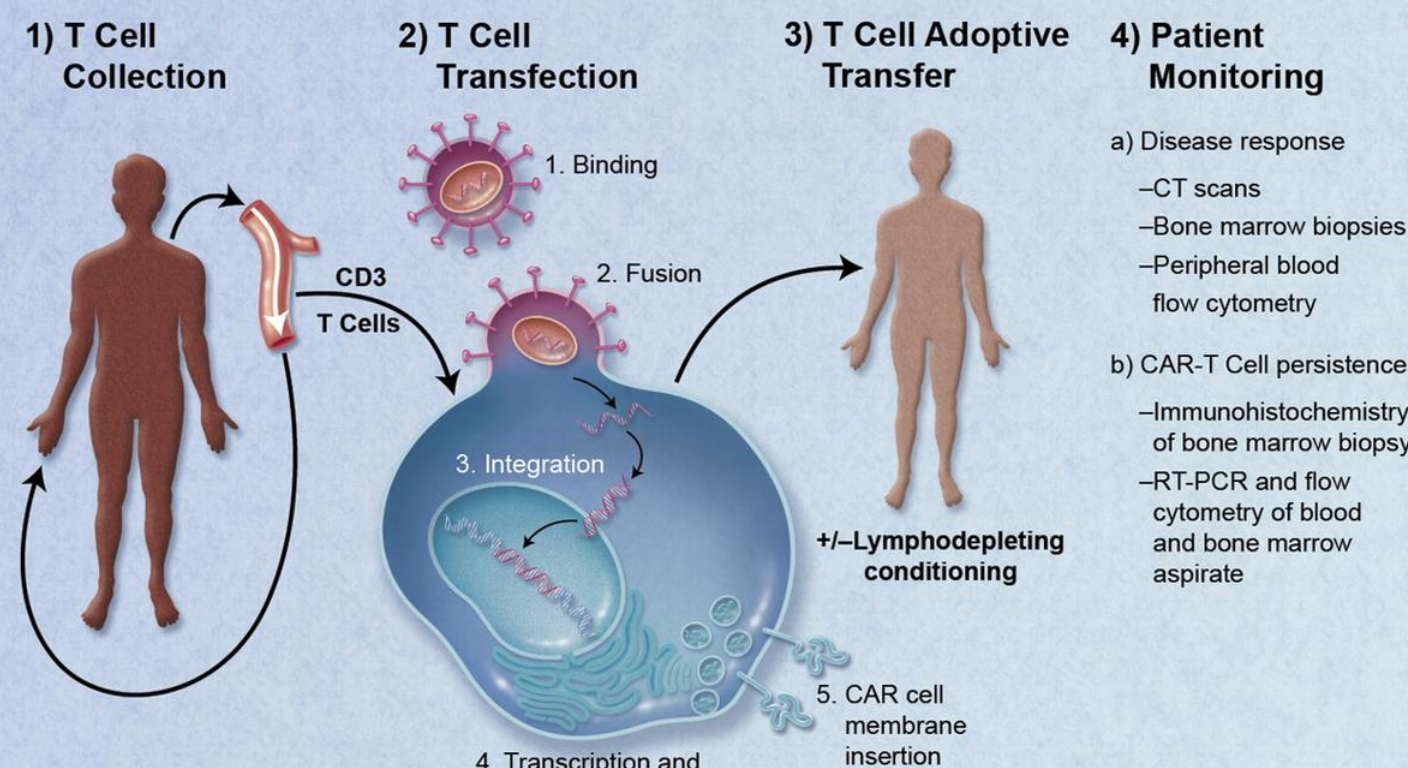
CAR-T therapy, short for Chimeric Antigen Receptor T-cell therapy, involves modifying a patient’s own immune cells in a laboratory so they can better target harmful cells inside the body.
The treatment works by:
- Extracting T-cells from a patient
- Genetically modifying them
- Training them to recognize specific targets
- Reinfusing them into the patient’s body
The therapy was first developed primarily for certain blood cancers, where it has shown remarkable success in some patients.
Expanding Beyond Cancer Treatment
Researchers are now investigating whether CAR-T therapy can also help reset malfunctioning immune systems responsible for autoimmune diseases.
Autoimmune disorders occur when the immune system attacks healthy organs, tissues, or cells by mistake.
Conditions currently being studied include:
- Lupus
- Multiple Sclerosis
- Rheumatoid Arthritis
- Type 1 Diabetes
- Myasthenia Gravis
Why Scientists Are Excited
Experts say CAR-T therapy may offer advantages over traditional treatments because it targets the root immune dysfunction rather than only controlling symptoms.
Many autoimmune diseases currently require lifelong medications that suppress immune activity broadly, sometimes causing significant side effects.
Researchers hope CAR-T therapy could potentially:
- Provide long-term remission
- Reduce dependency on steroids
- Minimize repeated flare-ups
- Improve quality of life
- Reset abnormal immune responses
Early Results Encouraging
Several early-stage studies and case reports have shown promising outcomes in patients with severe autoimmune diseases who did not respond to conventional treatments.
In some cases, patients reportedly achieved significant remission after receiving CAR-T therapy.
Scientists caution, however, that research remains in relatively early stages and larger clinical trials are still needed.
How CAR-T May Work In Autoimmune Diseases
In autoimmune disorders, certain immune cells become overactive and attack healthy tissues.
CAR-T therapy may help by eliminating harmful immune cells and allowing the immune system to rebuild itself in a healthier and more balanced way.
Researchers are especially studying therapies targeting abnormal B-cells involved in autoimmune activity.
Challenges And Risks Remain
Despite the excitement, experts warn that CAR-T therapy remains highly complex and carries important risks.
Potential complications can include:
- Severe immune reactions
- Infections
- Neurological side effects
- Cytokine release syndrome
- High treatment costs
The therapy also requires specialized hospitals, advanced laboratory infrastructure, and close medical monitoring.
Expensive But Powerful Treatment
CAR-T therapy is currently among the world’s most expensive medical treatments, often costing hundreds of thousands of dollars in cancer care settings.
Researchers hope future advancements may eventually reduce costs and improve accessibility.
Could Transform Autoimmune Medicine
Medical experts believe successful CAR-T therapies for autoimmune diseases could dramatically change the future of immunology and chronic disease treatment.
Instead of lifelong symptom management, some patients may eventually receive therapies aimed at long-term immune system reset.
Global Research Expanding
Major hospitals, biotechnology companies, and research institutions worldwide are rapidly expanding studies into CAR-T applications beyond cancer.
The field is attracting strong interest because autoimmune diseases affect millions of people globally and many patients continue struggling despite existing treatments.
Personalized Medicine Future
CAR-T therapy is also part of a broader shift toward personalized medicine, where treatments are tailored to individual patients and specific disease mechanisms.
Scientists believe future therapies may become increasingly precise, targeted, and biologically customized.
Hope For Patients
While experts emphasize that more evidence is needed before widespread adoption, many researchers view CAR-T therapy as one of the most promising developments in autoimmune disease treatment in recent years.
If future clinical trials continue showing positive results, CAR-T therapy could eventually become a major breakthrough for patients living with severe autoimmune conditions.