

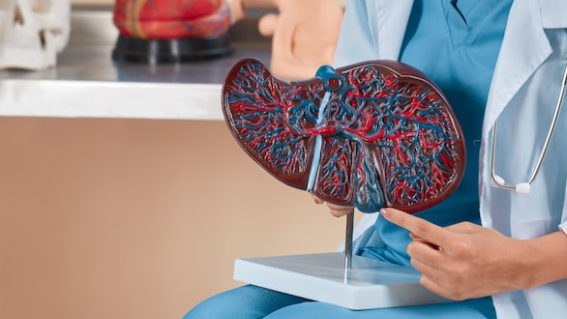
13 November 2026 Punjab Khabarnama Bureau : The liver is one of the most important organs in the human body, performing several essential functions that help maintain overall health. From filtering harmful substances and processing nutrients to supporting digestion and regulating metabolism, the liver plays a major role in keeping the body functioning properly. However, unhealthy eating habits, excessive consumption of processed foods and a lack of physical activity can gradually affect liver health. Doctors are increasingly highlighting the importance of a balanced diet and healthy lifestyle to protect the liver and reduce the risk of liver-related diseases.
Many people do not pay attention to their liver health until they begin experiencing symptoms. However, liver damage can develop silently over time, making preventive care particularly important. According to health experts, the food people consume daily can either support liver function or increase the burden on this vital organ. Making appropriate dietary changes can help improve metabolic health and reduce the risk of conditions such as fatty liver disease.
Foods That Support Better Liver Health
Doctors recommend including a variety of nutrient-rich foods in the daily diet to maintain healthy liver function. Vegetables, fruits, whole grains, nuts and protein-rich foods provide essential vitamins, minerals, antioxidants and fibre that support overall health.
Green leafy vegetables such as spinach, broccoli and other seasonal greens are particularly beneficial because they contain fibre and antioxidants. These nutrients help support the body’s natural metabolic processes and contribute to a balanced diet. Cruciferous vegetables, including cauliflower and broccoli, also provide beneficial plant compounds that may support the body’s natural detoxification pathways.
Fruits such as apples, oranges, berries and papaya are also useful additions to a healthy eating routine. They contain vitamins, antioxidants and dietary fibre. Regular consumption of whole fruits can support digestive health and help maintain a healthy body weight.
Doctors also recommend choosing whole grains instead of refined carbohydrates. Foods such as oats, brown rice, whole wheat and millets provide fibre and help maintain stable blood sugar levels. A diet rich in whole grains can also support better metabolic health, which is important for people at risk of fatty liver disease.
Include Healthy Protein in Your Diet
Protein is another important component of a liver-friendly diet. It supports tissue repair and helps maintain muscle health. Doctors generally recommend choosing healthy protein sources such as lentils, beans, chickpeas, tofu, low-fat dairy products, fish and eggs, depending on individual dietary preferences.
For people following a vegetarian diet, pulses, kidney beans, chickpeas, soy products and nuts can provide valuable protein. Including these foods in balanced portions can help meet nutritional requirements without relying heavily on processed or high-fat foods.
Nuts such as almonds and walnuts can also be included in moderate quantities. They contain healthy fats, fibre and other nutrients that support cardiovascular and metabolic health. However, portion control remains important because nuts are calorie-dense foods.
Foods and Habits That Can Harm Your Liver
While certain foods support liver health, others may increase the risk of metabolic problems and liver damage when consumed regularly in excessive quantities.
Doctors advise limiting foods that contain high amounts of added sugar, particularly sugary beverages, packaged juices, sweets and desserts. Excessive intake of added sugar, especially fructose-containing sweetened drinks, can contribute to fat accumulation in the liver.
Highly processed foods, deep-fried snacks, fast food and packaged meals should also be limited. These foods often contain excessive calories, unhealthy fats, salt and refined carbohydrates. Regular consumption can contribute to weight gain, insulin resistance and metabolic conditions associated with fatty liver disease.
Another important dietary concern is the excessive consumption of refined carbohydrates, including white bread, pastries and sugary breakfast cereals. Replacing these foods with whole-grain alternatives can improve overall dietary quality.
Alcohol consumption is also a major risk factor for liver damage. Excessive alcohol intake can lead to inflammation, fatty liver, alcoholic hepatitis and, in severe cases, cirrhosis. Avoiding alcohol is particularly important for people who already have liver disease.
Importance of Hydration and Physical Activity
Maintaining adequate hydration is another important part of a healthy lifestyle. Drinking enough water throughout the day supports normal bodily functions and helps maintain overall metabolic health. However, drinking excessive amounts of water or consuming special detox drinks does not directly remove toxins from the liver. The liver already performs this function naturally.
Regular physical activity is equally important. Doctors recommend incorporating activities such as walking, cycling, swimming and other forms of exercise into daily routines. Consistent physical activity can help manage body weight, improve insulin sensitivity and reduce excess fat accumulation in the liver.
Even moderate exercise performed regularly can provide health benefits. People who spend long hours sitting should try to include short walking breaks and gradually increase their daily activity levels.
Can Fatty Liver Disease Be Prevented?
Fatty liver disease is becoming an important health concern worldwide. It occurs when excess fat accumulates in liver cells and is commonly associated with obesity, type 2 diabetes, high cholesterol and metabolic syndrome.
Doctors explain that maintaining a healthy body weight, following a balanced diet and exercising regularly can help reduce the risk of metabolic dysfunction-associated steatotic liver disease, commonly known as MASLD.
For people already diagnosed with fatty liver, gradual and sustainable weight loss, when medically appropriate, can help reduce liver fat. However, dietary changes should be based on individual health conditions and medical advice.
It is also important not to depend on unverified liver detox products, herbal supplements or restrictive diets. Some supplements can even cause liver injury. Anyone considering supplements should consult a qualified healthcare professional before using them.
Regular Health Check-ups Are Important
Liver-related conditions may not produce noticeable symptoms during their early stages. Therefore, people with risk factors such as diabetes, obesity, high cholesterol or a family history of liver disease should discuss appropriate screening with their doctors.
Medical professionals may recommend blood tests, imaging studies or other investigations depending on an individual’s health history and symptoms. Warning signs such as yellowing of the skin or eyes, persistent abdominal swelling, unusual fatigue, dark urine or unexplained weight loss should not be ignored.
Ultimately, protecting liver health does not require complicated diets or expensive products. Choosing fresh and nutritious foods, limiting added sugar and highly processed meals, avoiding alcohol, maintaining a healthy weight and staying physically active can make a meaningful difference.
Doctors emphasise that the best approach to liver health is consistency. Small improvements in everyday eating habits and lifestyle choices can support long-term liver function and overall well-being.