

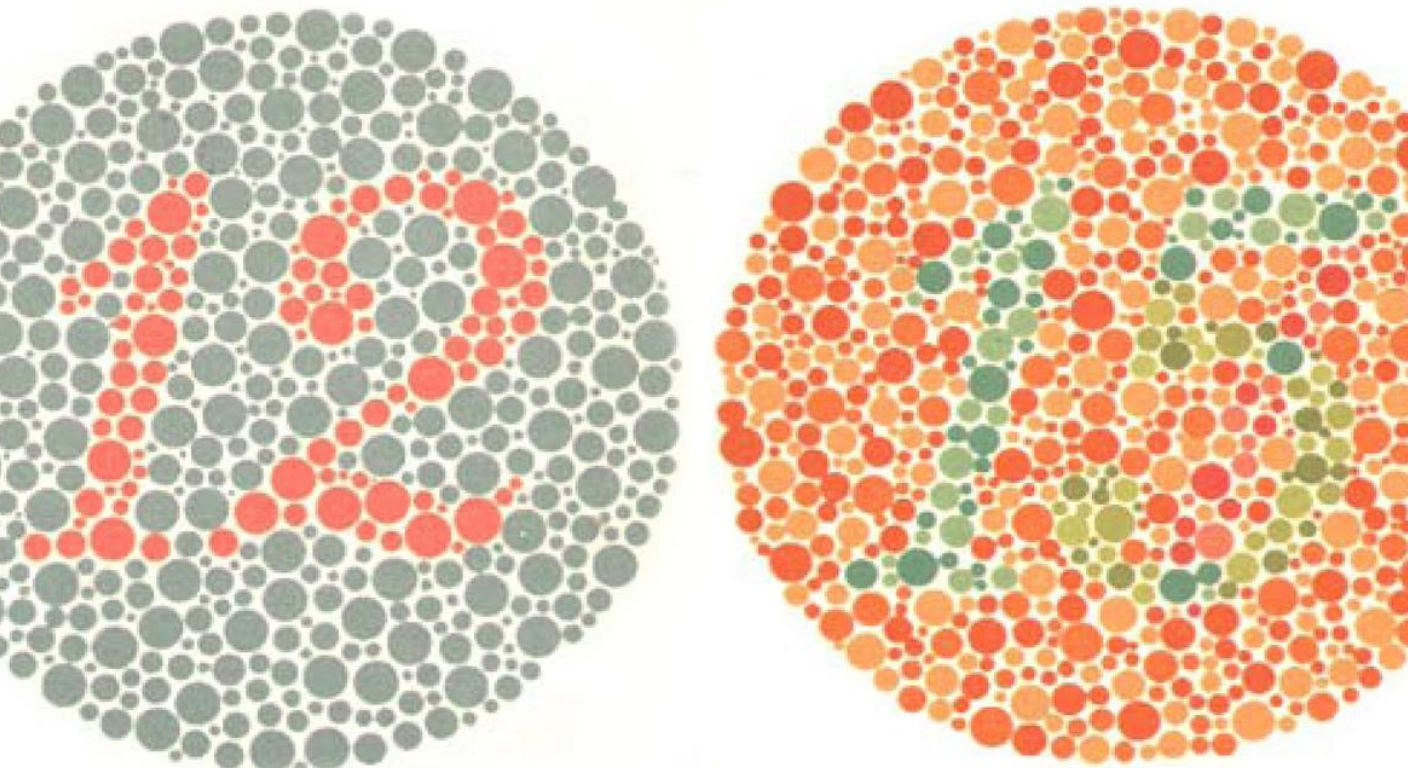
27 May 2026 Punjab Khabarnama Bureau : Colour blindness is one of the world’s most common yet least recognized vision conditions, with many people living for years without realizing they perceive colours differently from others.
Health experts say the condition often goes unnoticed because affected individuals usually adapt naturally from childhood and assume everyone sees colours in the same way.
What Is Colour Blindness?
Colour blindness, also known as colour vision deficiency, affects a person’s ability to distinguish certain colours correctly.
The condition occurs when the light-sensitive cells in the retina, called cones, do not function normally or are missing specific colour-detecting pigments.
The most common form involves difficulty distinguishing:
- Red and green
- Blue and yellow
- Different shades of similar colours
In rare cases, some people may see very limited colour overall.
Often Present From Birth
Most colour blindness cases are inherited and present from birth.
The condition is more common in males because the genes responsible for common colour vision deficiencies are linked to the X chromosome.
Experts estimate millions of people worldwide live with some form of colour blindness.
Many People Don’t Realise It
Doctors say many individuals remain unaware of the condition until:
- School screenings
- Driving tests
- Eye examinations
- Workplace medical checks
- Colour-based tasks expose difficulties
Children often adapt by memorizing object positions, brightness, or labels instead of recognizing colours accurately.
Daily Life Challenges
While colour blindness does not usually cause blindness or severe vision loss, it can affect daily activities in subtle ways.
People with the condition may struggle with:
- Reading colour-coded charts
- Traffic signal interpretation
- Matching clothes
- Educational materials
- Electrical wiring tasks
- Graphic design work
- Certain digital interfaces
Some careers involving precise colour identification may also have restrictions.
Technology Helps Detection
Modern digital tools and mobile applications have improved awareness and detection of colour vision problems.
Eye specialists use special colour plate tests to diagnose the condition, including:
- Ishihara colour tests
- Arrangement tests
- Computer-based vision assessments
Early diagnosis can help children and adults better adapt to educational and workplace environments.
No Complete Cure Yet
There is currently no permanent cure for inherited colour blindness.
However, some assistive solutions may help improve colour distinction in certain situations, including:
- Special tinted glasses
- Contact lenses
- Digital accessibility tools
- Smartphone filters
Researchers are also studying potential gene therapies for future treatment possibilities.
Importance Of Awareness
Eye specialists say greater awareness is important because undiagnosed colour blindness can sometimes affect learning confidence, workplace performance, and safety.
Children with unidentified colour vision deficiency may occasionally face academic confusion when educational materials rely heavily on colour coding.
Schools And Workplaces Adapting
Experts increasingly recommend designing educational systems, public signage, and digital products that remain accessible for people with colour vision deficiencies.
Using:
- Labels
- Patterns
- Contrast differences
- Symbols alongside colours
can improve accessibility significantly.
Genetic And Acquired Cases
Although most cases are inherited, colour blindness can also develop later in life because of:
- Eye diseases
- Diabetes
- Aging
- Optic nerve damage
- Certain medications
- Neurological disorders
Doctors advise medical evaluation if colour vision changes suddenly.
Living Normally With Condition
Most people with colour blindness lead completely normal lives and often adapt extremely well to the condition.
Many only discover the difference after formal testing or conversations with others about colour perception.
Experts emphasize that colour blindness is not an intelligence or learning disability but simply a variation in visual perception.
Growing Focus On Inclusive Design
As awareness increases, industries such as technology, education, gaming, transportation, and healthcare are paying greater attention to colour-accessible design.
Researchers say improving public understanding can reduce stigma while helping affected individuals navigate environments more comfortably and safely.