

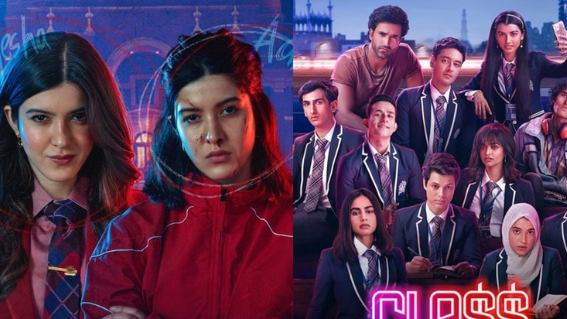
13 November 2026 Punjab Khabarnama Bureau : Filmmaker Reema Maya has responded to comparisons surrounding her upcoming project, Student of the Year After Dark, after viewers began drawing similarities between the show and the popular series Class. Addressing the discussion, the director has defended her creative vision, describing the project as an original take rather than a recreation or adaptation of an existing story.
The comparisons have attracted attention among audiences, particularly because both projects explore the world of students, relationships, social differences and the complicated dynamics of young people. However, Reema Maya has made it clear that her show has its own identity, storytelling approach and creative direction.
Reema Maya Responds to Comparisons With Class
Comparisons between films and television shows are common, especially when they explore similar settings or themes. In the case of Student of the Year After Dark, the discussion has largely centred on its student-focused storyline and the world of young people navigating relationships, friendships, ambitions and social pressures.
The director’s response highlights the importance of looking beyond surface-level similarities when judging a creative project. According to the position she has expressed, sharing a broad setting or certain themes with another show does not necessarily mean that the storytelling is identical.
Reema Maya has described the project as an original interpretation, suggesting that audiences should approach it with an open mind rather than judging it entirely through comparisons with Class.
What Makes Student of the Year After Dark Different?
The title Student of the Year After Dark suggests a different perspective on the familiar student-based entertainment genre. While school and college dramas frequently focus on friendships, romance, competition and academic life, stories set in these environments can also explore more complicated emotional and social realities.
Young people often experience several challenges while trying to establish their identities. Peer pressure, expectations from families, relationships, personal ambitions and differences in social backgrounds can influence their decisions.
A story exploring these themes has the potential to present a more layered picture of student life. The emphasis on an after-dark perspective also creates expectations of a narrative that may explore aspects of young people’s lives beyond the conventional classroom environment.
However, the actual storytelling, character development and execution will ultimately determine how audiences receive the project.
Why Is Class Being Mentioned?
The Netflix series Class attracted considerable attention for its portrayal of students from different social and economic backgrounds. Set in an elite school environment, the show explored relationships, privilege, rivalry, secrets and conflicts among teenagers.
Its subject matter and youth-oriented storytelling have made it a natural reference point whenever another project explores similar environments.
The comparison with Student of the Year After Dark reflects how audiences frequently connect new entertainment projects with familiar titles. Such comparisons can generate curiosity but can also create expectations before viewers have experienced the complete story.
For filmmakers, this presents a challenge. They must communicate what makes their projects distinctive while allowing audiences to form their own opinions.
Reema Maya’s Creative Approach
Reema Maya is known for her independent filmmaking approach and storytelling that explores complex human emotions and relationships. Her work has attracted attention for presenting characters and situations through a distinctive creative lens.
Defending Student of the Year After Dark as an original take also reflects the broader conversation around originality in the entertainment industry.
With streaming platforms expanding their content libraries, audiences are increasingly exposed to stories featuring similar genres, settings and character dynamics. As a result, comparisons between new releases and previously successful shows have become more frequent.
However, originality does not necessarily mean avoiding familiar themes. A filmmaker can explore subjects such as friendship, romance, ambition and social inequality while presenting them through a different narrative structure and perspective.
Audience Expectations and Entertainment Industry Buzz
The discussion surrounding Student of the Year After Dark has brought attention to the expectations attached to youth-focused entertainment. Viewers are often interested in stories that reflect the realities of modern student life while offering engaging characters and unexpected developments.
The comparisons with Class may continue as more information about the project becomes available. However, Reema Maya’s response makes her creative position clear: the show should be viewed as an independent work rather than simply compared with an existing series.
Ultimately, audiences will decide whether Student of the Year After Dark succeeds in establishing its own identity. Its storyline, performances, direction and treatment of contemporary student experiences will play an important role in shaping its reception.
For now, Reema Maya’s defence of the project has added another layer to the conversation around originality, creative freedom and comparisons in the entertainment industry.