

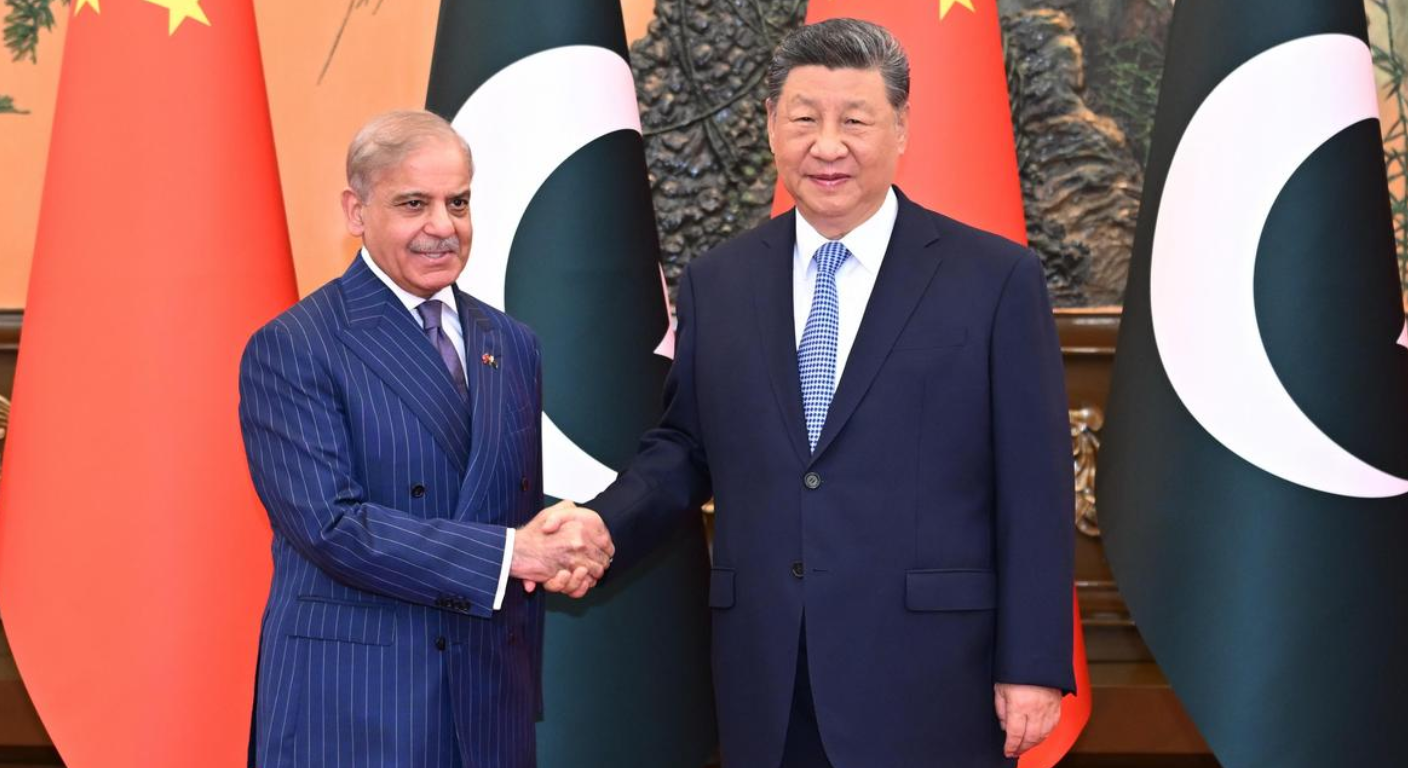
26 May 2026 Punjab Khabarnama Bureau : China and Pakistan are intensifying efforts to revamp the China-Pakistan Economic Corridor (CPEC) and accelerate development at the strategically important Gwadar Port amid growing regional economic and geopolitical competition.
Officials from both countries recently discussed plans aimed at upgrading infrastructure, boosting trade activity, improving industrial cooperation, and expanding connectivity projects linked to the multibillion-dollar corridor initiative.
The renewed push comes as both Beijing and Islamabad seek to revive momentum around CPEC after facing delays caused by security concerns, economic instability, financing challenges, and regional political tensions.
Strategic Importance Of CPEC
The China-Pakistan Economic Corridor is one of the flagship projects under China’s Belt and Road Initiative (BRI).
The corridor connects China’s Xinjiang region to Pakistan’s Gwadar Port through a network of:
- Highways
- Rail projects
- Energy infrastructure
- Industrial zones
- Fiber connectivity
- Trade corridors
Analysts say the project is strategically significant because it gives China potential access to the Arabian Sea while strengthening Pakistan’s infrastructure and energy network.
Gwadar Port Remains Central
Gwadar Port continues to be viewed as the centerpiece of the corridor project.
Located near key international shipping routes, the deep-sea port carries major geopolitical and commercial significance.
China and Pakistan reportedly aim to:
- Expand port facilities
- Improve logistics systems
- Increase cargo handling
- Strengthen maritime infrastructure
- Develop free trade zones
- Enhance regional connectivity
Officials believe Gwadar could eventually emerge as a major trade and energy transit hub linking South Asia, Central Asia, the Middle East, and western China.
Economic Challenges Push Revamp Efforts
Pakistan’s economic difficulties have added urgency to efforts aimed at revitalizing CPEC-related investments.
Islamabad has been seeking greater foreign investment, industrial activity, and infrastructure development to stabilize growth and improve economic conditions.
At the same time, China remains interested in protecting its strategic investments and ensuring long-term viability of corridor projects.
Experts say both countries now appear focused on moving beyond early infrastructure construction toward industrial and commercial expansion.
Security Concerns Continue
Security remains one of the biggest challenges facing CPEC and Gwadar development.
Militant attacks targeting Chinese workers and infrastructure projects in Pakistan have repeatedly raised concerns about the safety of investments and personnel.
Authorities in Pakistan have increased security measures around Chinese projects, particularly in Balochistan province where Gwadar is located.
China has consistently emphasized the importance of protecting its citizens and investments abroad.
Geopolitical Significance Growing
The renewed focus on CPEC and Gwadar also carries broader geopolitical implications.
Analysts say the corridor strengthens China’s strategic footprint in the Indian Ocean region while deepening Beijing’s economic and political partnership with Pakistan.
The project has also attracted international attention because of growing competition involving:
- Regional trade routes
- Maritime influence
- Infrastructure diplomacy
- Energy security
- Strategic connectivity
Several countries continue closely monitoring developments linked to Gwadar and the Belt and Road Initiative.
Industrial Cooperation Expected
Officials from both countries reportedly discussed expanding industrial collaboration through special economic zones linked to the corridor.
Planned sectors may include:
- Manufacturing
- Energy
- Logistics
- Mining
- Technology
- Agriculture processing
Pakistan hopes greater industrial activity will generate employment opportunities and attract additional foreign investment.
China’s Long-Term Regional Vision
Experts believe China views Gwadar and CPEC as part of a broader long-term strategy aimed at diversifying trade routes and reducing dependence on vulnerable maritime chokepoints.
Access to Gwadar potentially offers China shorter routes for energy imports and trade movement connecting western China to global markets.
Local Concerns Persist
Despite large-scale investment plans, some local communities in Gwadar and Balochistan have previously raised concerns regarding:
- Resource distribution
- Employment opportunities
- Environmental impact
- Water shortages
- Local development benefits
Political tensions and regional grievances have occasionally complicated project implementation.
Future Expansion Plans
Reports suggest both governments are exploring additional phases of corridor expansion, including transportation upgrades and digital connectivity initiatives.
There is also growing interest in integrating Gwadar more deeply into regional trade networks involving Central Asia and Gulf countries.
Corridor Remains Symbolic Partnership
Despite setbacks and criticism, CPEC remains one of the most visible symbols of the close China-Pakistan strategic partnership.
Both governments continue presenting the corridor as a transformative economic project capable of reshaping regional trade and infrastructure connectivity.
Analysts believe future progress will depend heavily on economic stability, security conditions, financing sustainability, and regional geopolitical developments.
For now, the renewed effort to revamp CPEC and Gwadar Port signals that both Beijing and Islamabad remain committed to preserving the corridor’s long-term strategic and economic ambitions.