

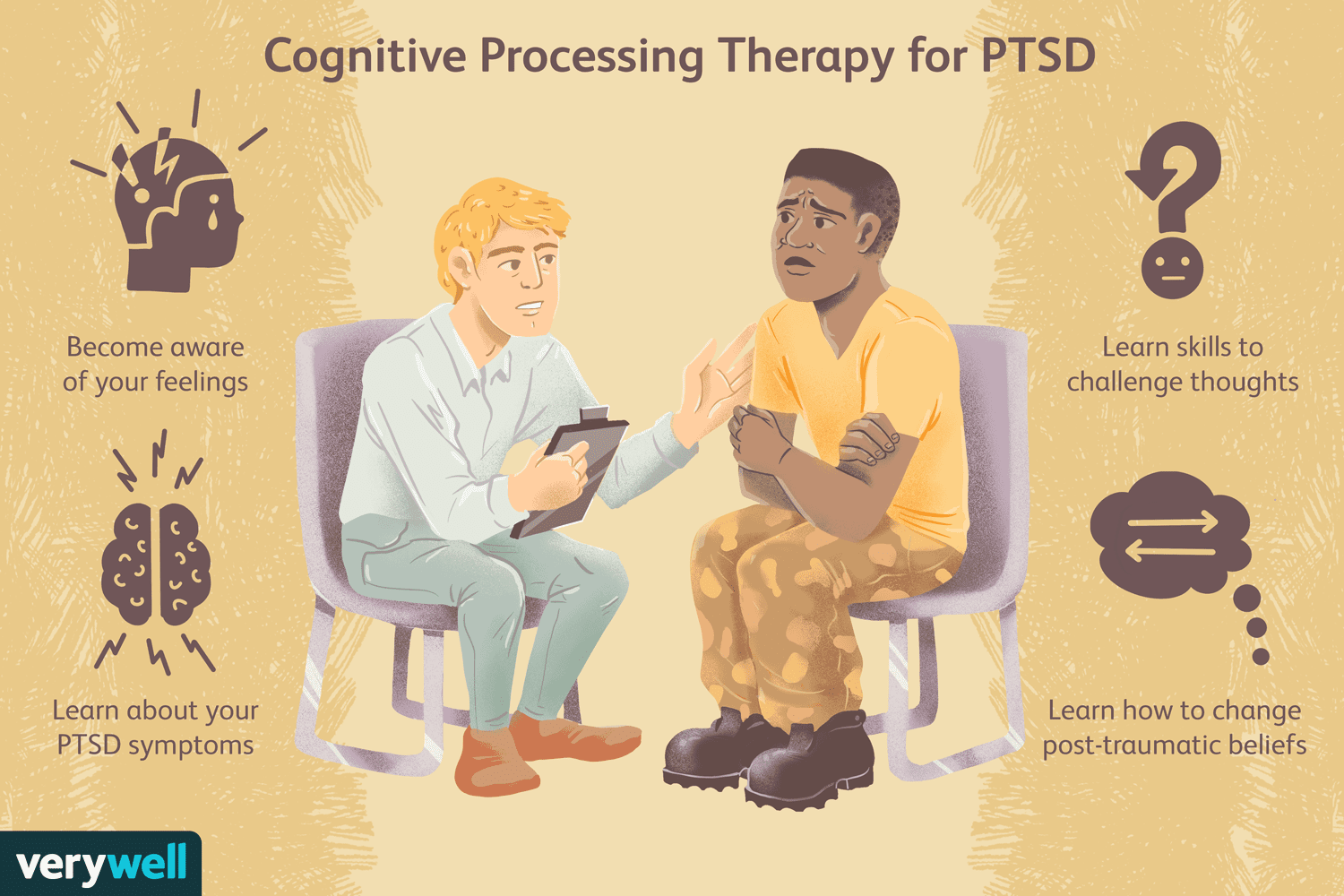
April 18 (Punjab Khabarnama) : C-PTSD, or Complex post-traumatic stress disorder, is a condition where a person may experience the symptoms of PTSD along with a few additional symptoms such as difficulty in controlling emotions, feeling angry and not being able to trust anyone. “Complex PTSD is just that – complex. Therapy is often long-term and it’s not uncommon for both therapist and client to find themselves confused or stuck in the process. These are some of the universal goals I keep in mind for all my clients with C-PTSD. They help to guide me when I feel stuck or confused about where to go and I have found them endlessly helpful,” wrote Therapist Summer Forlenza.
Challenge avoidance: Instead of running away from traumatic experiences and difficult emotions, we need to face them and understand their patterns and know that they are predictable. Only then can we address them and learn to survive hard emotions.
Enhance autonomy and self-determination: We need to understand where the trauma is coming from and then reflect on it to change the story. This helps in addressing the trauma in a healthier way and knowing that we can heal from it.
Improve ability to manage and improve big emotions: Learning to be aware of the bodily sensations and big emotions and identifying and labeling them helps in becoming more aware of the ways we can help ourselves.
Enhancing sense of self and personal identity: Often trauma survivors doubt themselves and their identities. We need to work on finding ourselves, knowing what we can do, and working on it to become better versions of ourselves.
Repair the mind-body split: Being more connected to the body helps in creating body awareness. This further helps us to reflect on the bodily sensations.
Enhance sense of personal control: We should be guided into feeling pride about the things we are good at, celebrate our accomplishments and have faith in our abilities, without feeling a barrage of negative emotions.
Recognise traumatic reenactments: Crisis management and safety planning helps us to understand our patterns and work in changing the versions.
Address chronic helplessness: Trauma therapy involves goal setting, decision making and boundary management. This helps in combating the sense of helplessness that is usually seen in trauma survivors.