

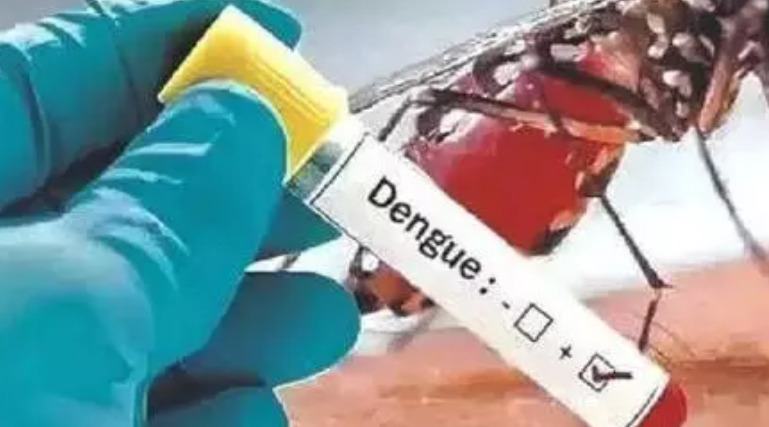
5 October 2026 Punjab Khabarnama Bureau : The Karur district administration in Tamil Nadu has stepped up efforts to control dengue as officials intensify mosquito-eradication measures in areas where dengue and fever cases have been reported. District Collector C. Muthukumaran said ward-wise follow-up actions are being carried out and the preventive work is being closely monitored.
The administration’s intensified response comes amid heightened concerns over mosquito-borne diseases during the rainy season. Authorities are focusing on preventing mosquito breeding and reducing the possibility of dengue transmission in residential areas and other vulnerable locations.
According to the district administration, mosquito-eradication spraying has been intensified in places where dengue and fever patients have been detected. Officials are also monitoring preventive measures at the ward level to ensure that action is taken promptly in areas reporting cases.
Collector Muthukumaran has urged residents to cooperate with the administration’s dengue-control campaign. One of the most important measures, officials say, is preventing water from remaining stagnant in and around homes, as standing water can provide breeding grounds for mosquitoes.
Residents have been advised to regularly inspect their surroundings and remove containers or objects in which rainwater can collect. This includes unused tyres, coconut shells, plastic articles, flowerpots and other items capable of holding water.
The administration has also stressed the importance of keeping household water storage facilities properly covered. Water tanks and containers should be tightly closed to prevent mosquitoes from entering and laying eggs.
The focus on household-level prevention is significant because mosquito breeding can occur in relatively small quantities of stagnant water. Even areas that appear clean can become breeding sites if rainwater is allowed to accumulate in discarded containers or other objects.
Karur’s public-health system is responsible for disease surveillance, prevention and health promotion across the district. The district has 32 Primary Health Centres in rural areas as well as five Urban Primary Health Centres, providing a network through which preventive and healthcare measures can be implemented.
Officials are expected to continue field-level monitoring as part of the intensified campaign. Ward-wise follow-up allows authorities to identify areas requiring additional attention and respond to reports of dengue or fever cases.
The administration’s approach combines mosquito control with public participation. While spraying and other official interventions can reduce mosquito populations, authorities are also relying on residents to eliminate breeding sites around their homes.
Dengue is transmitted by infected mosquitoes, making environmental management an important part of prevention. Eliminating standing water can reduce opportunities for mosquitoes to breed and therefore forms a key component of community-level disease-control efforts.
The campaign is particularly relevant during periods of rainfall, when water can accumulate rapidly in open containers, construction materials, drains and household waste. Regular cleaning and inspection can help prevent such locations from becoming breeding grounds.
Residents have therefore been urged not to wait until mosquitoes become a visible problem before taking preventive action. Regularly checking water storage areas and removing stagnant water can help support the wider efforts of health and municipal authorities.
The district administration is also monitoring the situation in areas where patients have been identified. Intensified spraying in such locations is intended to tackle mosquito populations around affected areas and reduce the risk of further transmission.
Tamil Nadu authorities have also been emphasizing dengue prevention across districts as part of broader preparedness for the monsoon. Recent state-level reviews have called for intensified door-to-door inspections, identification and elimination of mosquito-breeding sites, and closer monitoring of areas reporting increases in dengue and fever cases.
For Karur residents, the message from officials is clear: dengue prevention requires continuous attention rather than a one-time cleanup. Households, local authorities and health workers all have a role to play in keeping neighbourhoods free of stagnant water and reducing mosquito breeding.
The district administration’s intensified measures are expected to continue as officials monitor the situation and respond to new cases. Residents are being encouraged to cooperate with field teams and follow preventive measures at home.
With mosquito control operations being strengthened and ward-level monitoring continuing, Karur authorities are working to contain the risk of dengue and prevent the spread of fever cases across the district.