

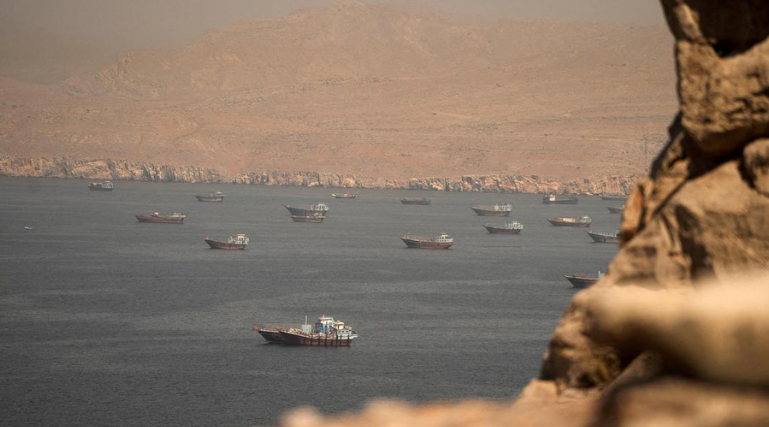
2 july 2026 Punjab Khabarnama Bureau : Iran has reaffirmed what it describes as its “red lines” in the strategically vital Strait of Hormuz, underscoring its determination to maintain influence over one of the world’s most important maritime chokepoints even as indirect diplomatic talks with the United States continue. The latest statements come amid heightened geopolitical tensions and renewed negotiations over maritime security and regional stability.
The Strait of Hormuz connects the Persian Gulf with the Gulf of Oman and the Arabian Sea, serving as a critical route for global energy supplies. A significant share of the world’s seaborne crude oil and liquefied natural gas exports passes through the narrow waterway, making any disruption a matter of international concern.
According to senior Iranian officials, Tehran insists that it should retain authority over shipping movements in the strait and seeks international recognition of its role in regulating maritime traffic. Iran has also argued that future arrangements should acknowledge what it sees as its sovereign security interests in the region.
The issue has become a central point in indirect negotiations between Iranian and U.S. representatives, mediated by regional partners in Doha. While both sides have reportedly agreed to continue discussions, major differences remain over navigation rights, maritime security, and the legal status of the strait.
The United States maintains that the Strait of Hormuz is an international waterway where commercial vessels should enjoy freedom of navigation under international maritime principles. Washington has opposed any unilateral attempt to impose restrictions or fees on commercial shipping, arguing that such measures could threaten global trade and energy markets.
Iran, however, argues that its geographical position and security responsibilities justify a greater role in overseeing traffic through the waterway. Iranian officials have repeatedly warned against what they describe as foreign interference and insist that regional security should primarily be managed by countries bordering the Gulf.
The disagreement has drawn close attention from energy markets. Oil prices have remained sensitive to developments surrounding the Strait of Hormuz because any disruption to shipping could affect global crude supplies. Recent reports indicate that optimism surrounding diplomatic talks has helped ease immediate market concerns, contributing to lower oil prices after negotiations in Doha showed signs of progress.
Industry analysts note that even limited disruptions in the strait can significantly impact shipping insurance costs, freight rates, and energy prices. As a result, governments and shipping companies continue to monitor developments closely while seeking to ensure uninterrupted maritime trade.
The latest round of diplomacy follows months of heightened regional tensions and maritime incidents that raised concerns over freedom of navigation. Although recent discussions have reduced the immediate risk of escalation, negotiators have yet to bridge differences on several key issues, including long-term governance of the strategic waterway.
Experts say the Strait of Hormuz remains one of the world’s most strategically significant maritime passages due to its narrow geography and its importance to global energy exports. Any prolonged instability in the region could have wide-ranging consequences for international trade, inflation, and energy security.
Regional governments have generally emphasized the importance of maintaining open shipping lanes while encouraging diplomatic engagement to resolve disputes peacefully. International shipping organizations have likewise called for restraint and adherence to established maritime norms to minimize risks to commercial vessels.
Iran has indicated that its position reflects long-standing national security priorities rather than a temporary negotiating tactic. Officials argue that recent regional developments have reinforced Tehran’s determination to safeguard what it considers its strategic interests in the Gulf.
Despite the sharp differences, diplomatic channels remain open. Mediators have expressed cautious optimism that continued dialogue could help reduce tensions and prevent further incidents in one of the world’s busiest maritime corridors. However, observers caution that the dispute over navigation rights remains one of the most difficult issues facing negotiators.
For global markets, the outcome of these negotiations carries considerable importance. Stable operations in the Strait of Hormuz are viewed as essential for uninterrupted energy supplies, while any renewed confrontation could quickly influence oil prices, shipping routes, and broader geopolitical stability.
As talks continue, the international community will closely watch whether diplomacy can reconcile competing claims over one of the world’s most strategically important waterways while preserving the free flow of global commerce.