

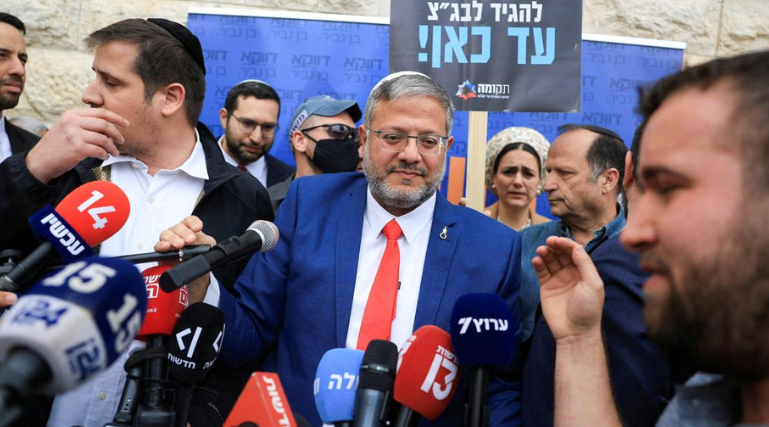
15 June 2026 Punjab Khabarnama Bureau : Israeli National Security Minister Itamar Ben-Gvir has strongly criticized the emerging U.S.-Iran agreement aimed at ending regional hostilities, declaring that Israel is not bound by the deal and calling for a tougher military campaign against Hezbollah in Lebanon.
Ben Gvir’s remarks came shortly after reports of a U.S.-Iran framework agreement designed to reduce tensions across the Middle East, including provisions linked to Lebanon and maritime security in the Gulf.
‘The Agreement Does Not Bind Israel’
In a statement posted on his Telegram channel, Ben Gvir said that the agreement negotiated between Washington and Tehran does not guarantee Israel’s security and therefore does not obligate Israel to alter its military policies. He stressed that Israel was not a party to the negotiations.
Calls For Stronger Action Against Hezbollah
The far-right minister argued that Israel should continue pursuing the dismantling of Hezbollah and should not withdraw from territory captured during military operations in southern Lebanon. He called for maintaining pressure on Hezbollah rather than accepting arrangements that could leave the group intact.
Wider Opposition Inside Israel
Ben Gvir is not alone in opposing the deal. Several Israeli political figures and ministers have expressed concerns that the proposed agreement fails to adequately address Iran’s regional influence, missile capabilities, and support for allied groups such as Hezbollah.
Israel Maintains Tough Stance On Lebanon
Israeli Defense Minister Israel Katz has also indicated that Israel intends to maintain security zones in Lebanon and continue military operations against Hezbollah if necessary. Israeli officials have signaled that they do not view the U.S.-Iran framework as requiring an Israeli withdrawal from Lebanese territory.
Regional Implications
The disagreement highlights the challenges facing efforts to achieve a broader regional settlement. While the United States and Iran have signaled progress toward reducing tensions, Israel’s objections and the unresolved Hezbollah issue could complicate implementation of any future agreement.
Uncertain Path Ahead
Diplomatic efforts continue, but analysts note that Lebanon remains one of the most contentious issues in regional negotiations. The coming days are expected to determine whether the proposed framework can withstand opposition from key regional actors and evolve into a lasting agreement.