

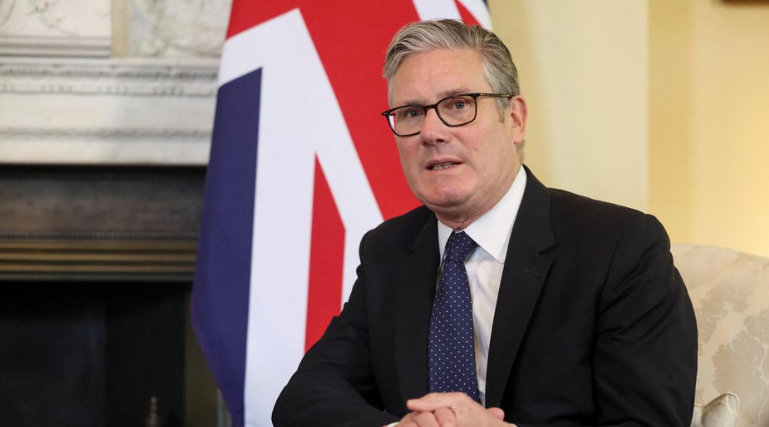
15 June 2026 Punjab Khabarnama Bureau : British Prime Minister Keir Starmer has announced plans to ban children under the age of 16 from accessing social media platforms, marking one of the most significant moves yet by a major government to address concerns over online safety and youth mental health.
The proposed policy is aimed at protecting children from harmful content, cyberbullying, online exploitation, and the potential negative effects of excessive social media use.
Focus On Child Safety
According to the UK government, the measure seeks to create a safer digital environment for young people by limiting their exposure to risks associated with social networking platforms.
Officials argue that social media companies must take greater responsibility for protecting children online.
Reasons Behind The Decision
The government cited several concerns, including:
- Rising mental health issues among teenagers
- Exposure to harmful and inappropriate content
- Online bullying and harassment
- Addictive digital behavior
- Risks posed by predators and scams
The proposal follows growing international debate about the impact of social media on children’s well-being.
Age Verification Measures
The plan is expected to require stronger age-verification systems to prevent underage users from creating or maintaining social media accounts.
Technology companies may be required to implement stricter compliance measures and face penalties for violations.
Mixed Reactions
The announcement has sparked debate across the UK.
Supporters argue that stronger protections are necessary to safeguard children’s mental and emotional health, while critics question the practicality of enforcement and raise concerns about privacy and digital rights.
Global Trend Emerging
Several countries are exploring similar measures as governments increasingly scrutinize the role of social media in young people’s lives.
The UK’s move could influence policy discussions in other nations considering tougher regulations for technology platforms.
Impact On Tech Companies
Major social media firms may need to redesign onboarding systems, improve age-verification processes, and strengthen child-safety features if the proposal becomes law.
Next Steps
The government is expected to hold consultations with technology companies, child welfare organizations, educators, and parents before finalizing the legislation.
If implemented, the policy would represent one of the strictest social media regulations for minors among major democracies.