

19 May 2026 Punjab Khabarnama Bureau : A major political controversy has erupted ahead of the Punjab local body elections after authorities rejected nomination papers of 713 candidates, prompting sharp criticism from opposition parties, which accused the state government of attempting to influence the electoral process.
The large-scale rejection of nomination forms has triggered heated political reactions across Punjab, with opposition leaders alleging irregularities, selective targeting, and misuse of administrative machinery to weaken rival candidates before polling.
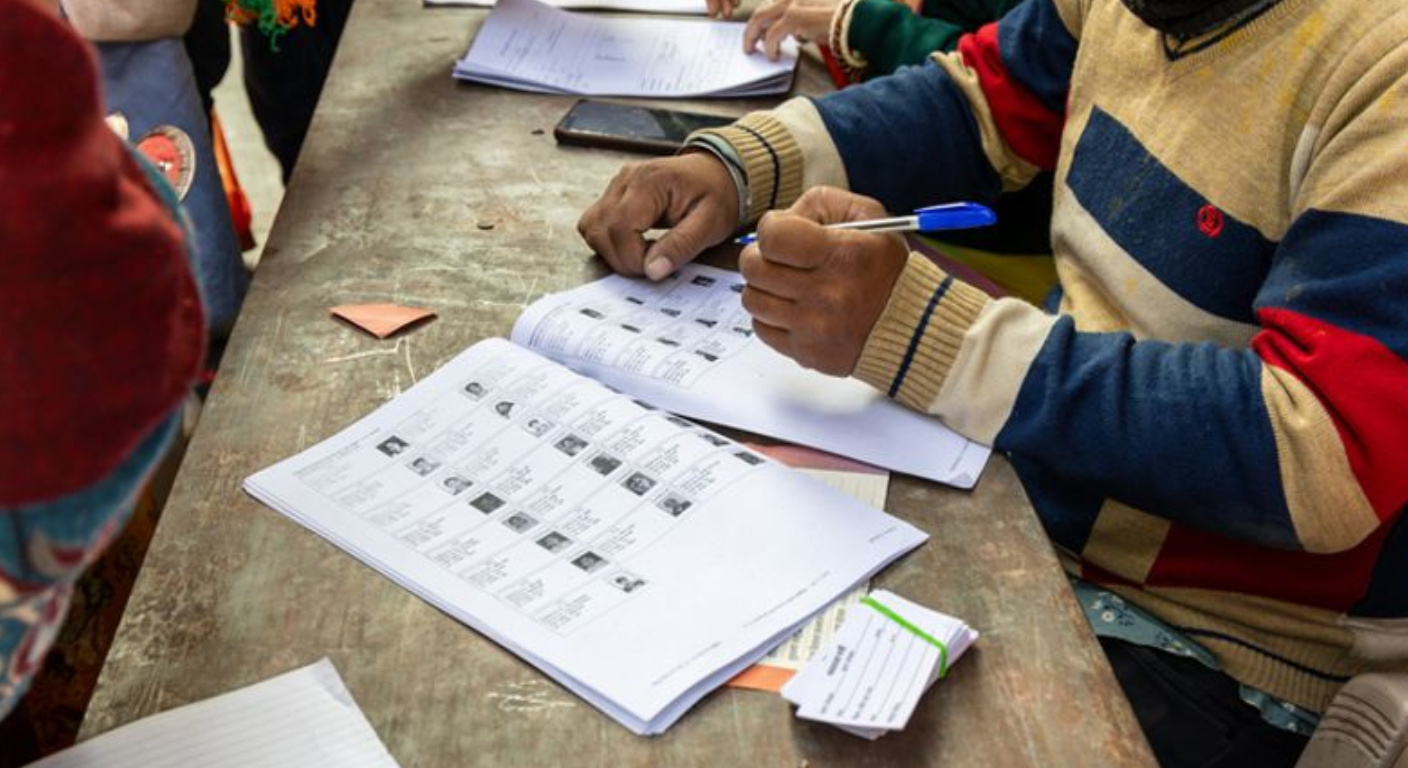
According to election officials, the nomination papers were rejected during scrutiny due to technical errors, incomplete documentation, failure to meet eligibility requirements, or discrepancies in submitted records. Authorities maintained that the verification process was conducted strictly according to election rules and procedures.
However, opposition parties strongly disputed these claims and accused the ruling government led by Bhagwant Mann of deliberately trying to reduce competition in key constituencies. Leaders from several opposition parties alleged that many candidates were disqualified over minor technicalities while ruling party nominees were allegedly given favorable treatment.
Senior opposition figures claimed the rejections raise serious questions about transparency and fairness in the local election process. They argued that democracy suffers when large numbers of candidates are prevented from contesting due to what they described as “administrative manipulation.”
The issue quickly turned into a political flashpoint, with opposition workers staging protests in multiple districts. Demonstrators accused authorities of acting under political pressure and demanded an independent review of the rejected nominations. In some areas, party workers gathered outside election offices raising slogans against the state government.
Opposition leaders further alleged that many candidates were not given sufficient opportunity to correct clerical mistakes or submit missing documents before rejection. They claimed that returning officers applied rules inconsistently and targeted candidates belonging to rival political groups.
The ruling Aam Aadmi Party rejected the allegations and defended the scrutiny process. Party representatives stated that election officials acted independently and followed legal procedures while examining nomination papers. AAP leaders accused opposition parties of making excuses in anticipation of poor electoral performance.
Punjab government representatives emphasized that the scrutiny process was conducted by election authorities and not by political leaders. They stated that candidates whose papers were rejected still have legal remedies available under election laws if they believe mistakes were made during verification.
Election officials also clarified that scrutiny of nomination papers is a routine part of the electoral process and similar rejections occur in elections across the country. Officials insisted that all decisions were based on documentation and compliance requirements rather than political considerations.
Despite these explanations, opposition parties continued intensifying attacks on the government, claiming the unusually high number of rejected nominations indicates deeper issues in the conduct of the elections. Some leaders warned that the matter could be raised before courts or election authorities if concerns remain unresolved.
Political analysts believe the controversy may significantly influence the atmosphere surrounding the upcoming local elections. The dispute has already sharpened tensions between the ruling party and opposition groups, turning the focus away from local governance issues toward questions of electoral fairness.
The local elections are considered politically important because they are expected to test the popularity of the Punjab government and opposition parties at the grassroots level. Municipal bodies and local councils play a key role in urban administration, civic services, and local development across the state.
Observers note that local elections often serve as indicators of broader political trends in Punjab. Strong performance at the local level can help parties strengthen organizational networks and prepare for future state and parliamentary elections.
The controversy has also sparked debate among legal experts regarding election scrutiny procedures and the balance between strict compliance and fair opportunity for candidates. Some experts noted that election rules must be applied uniformly while ensuring genuine candidates are not excluded over minor technical errors.
Meanwhile, several affected candidates expressed frustration over the rejection of their papers. Some claimed they were not informed properly about objections raised during scrutiny, while others alleged that documentation issues could have been corrected if given additional time.
As political tensions continue to rise, the Election Commission and district authorities are expected to remain under close public scrutiny during the remaining phases of the electoral process. Security arrangements and monitoring mechanisms are also likely to be strengthened to ensure peaceful polling.
The issue of rejected nominations is expected to dominate political discourse in Punjab in the coming days as campaigning intensifies ahead of the local elections. Opposition parties are likely to continue using the controversy to target the state government, while ruling party leaders remain focused on defending the integrity of the electoral process.