

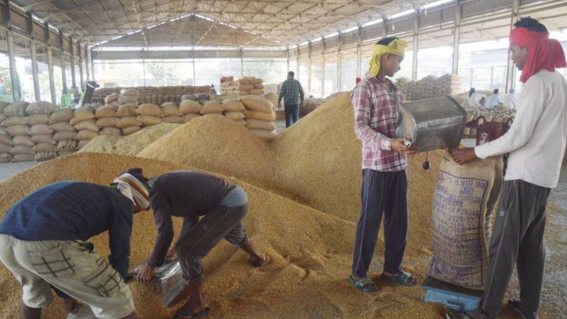
23 October 2026 Punjab Khabarnama Bureau : Farmers in Punjab continue to face concerns over the accurate weighing of paddy at grain markets, with complaints about traditional weighing methods and alleged deductions adding to the financial pressure during the procurement season. For cultivators who spend months growing their crops, even a small difference in recorded weight can reduce the amount they receive for their produce.
The issue of manual weighing has been raised repeatedly in Punjab’s agricultural markets. Farmers have previously alleged that some commission agents use weighing practices that result in less produce being recorded than the actual quantity brought to market. Such allegations have highlighted the need for effective monitoring, verified weighing equipment and transparent procurement procedures.
Farmers Raise Concerns Over Weighing Practices
Paddy procurement is a critical period for farmers across Punjab, where large quantities of grain arrive at mandis during the harvest season. Once the crop reaches a market, it is cleaned, weighed, packed and transported for further processing.
Farmers depend on accurate weighing to ensure they receive payment for the full quantity of their produce. If the recorded weight is lower than the actual weight, the resulting difference can translate into a financial loss.
In previous procurement seasons, farmers in Punjab have alleged that some commission agents continued to use manual weighing scales despite directions to adopt electronic equipment. In Sangrur, farmers raised concerns in 2018 that traditional scales were being used even after officials had directed market participants to shift to electronic weighing machines.
The complaints reflected broader concerns about the implementation of weighing rules and the difficulties farmers face when challenging discrepancies during busy procurement periods.
Small Differences Can Affect Farmers’ Earnings
The financial impact of inaccurate weighing can increase when large quantities of paddy are involved. Even a relatively small discrepancy per quintal can accumulate across an entire trolley of produce or several loads delivered during the season.
Farmers already face expenditure on seeds, fertilisers, pesticides, irrigation, machinery and labour. Any unexplained reduction in the quantity recorded at the mandi can further affect their net earnings.
Concerns over weighing also come amid wider difficulties in the current paddy procurement season. Farmers in Punjab have reported problems associated with rain-damaged crops, moisture-related deductions and procurement delays.
In Fazilka, farmers recently protested against alleged deductions of up to five kilograms per quintal on the grounds of high moisture content. Eighteen farmers reportedly lodged complaints with the authorities. Officials said the complaints were being forwarded to the relevant procurement agencies for further action.
These complaints concern deductions during procurement and do not, by themselves, establish that weighing scales were manipulated. However, they underline the importance of transparent calculations and clear explanations whenever farmers believe they are receiving less than the value of their produce.
Electronic Weighing Can Improve Transparency
Electronic weighing machines can make it easier to record quantities and verify transactions, provided the equipment is properly calibrated, inspected and operated according to the rules.
Punjab’s agricultural market regulations prescribe requirements for weighing instruments and provide for inspection and verification. The rules also establish procedures for checking equipment and addressing defective weighing practices.
Farmers and agricultural organisations have previously called for stronger enforcement of requirements relating to electronic weighing machines. Their concerns include whether market authorities inspect the equipment regularly and respond promptly when complaints are received.
Electronic equipment alone, however, cannot eliminate every dispute. Machines must be maintained correctly, their readings must be visible and farmers should be able to obtain a reweighment when a discrepancy is suspected.
Need for Stronger Monitoring at Mandis
Effective supervision by market committees and procurement authorities is important to ensure that farmers are treated fairly. Regular inspections, verified equipment and accessible complaint mechanisms can help reduce disputes over the quantity of produce recorded.
Farmers should also receive clear information about the weight of their produce and any deductions applied during procurement. Where a complaint is made, authorities need to examine the relevant records and equipment before determining whether any irregularity has occurred.
Commission agents and other market participants also have a role in maintaining accurate records and following the applicable rules. Allegations should be investigated on the basis of evidence, with appropriate action taken when violations are established.
Procurement Challenges Add to Rural Financial Pressure
The weighing issue comes at a time when Punjab’s agricultural sector is dealing with several procurement-related challenges. Unseasonal rain, damaged grain, moisture concerns and delays in moving harvested paddy can create additional expenses and uncertainty for farmers.
When these problems occur together, cultivators may have to spend more time and money bringing their crops to market while waiting for procurement and payment arrangements to be completed.
For small farmers with limited financial reserves, even modest losses can have a meaningful impact on household budgets and their ability to meet agricultural expenses for the next season.
Transparent Weighing Remains Essential
Accurate weighing is a basic requirement for a fair agricultural market. Farmers should be able to trust that the quantity recorded for their produce reflects the actual weight and that any deductions are based on applicable rules rather than unexplained practices.
Strengthening inspections, ensuring that weighing equipment meets regulatory requirements and resolving complaints quickly would help improve confidence in Punjab’s procurement system.
As the paddy season continues, the focus remains on ensuring that farmers receive fair payment for their harvest. Transparent weighing and accountable procurement practices are essential to protecting their earnings and maintaining trust in the state’s grain markets.