

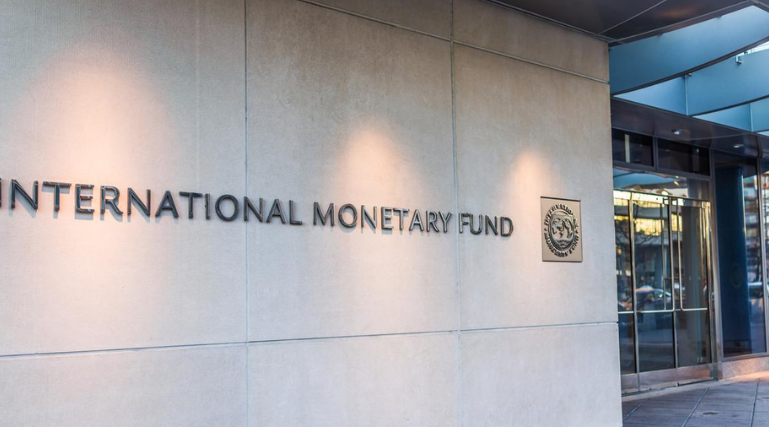
8 October 2026 Punjab Khabarnama Bureau : The International Monetary Fund (IMF) has reached a staff-level agreement with Pakistan following reviews of the country’s ongoing lending programmes, potentially unlocking around $1.21 billion in financing, subject to approval by the IMF Executive Board.
Under the agreement, Pakistan could receive approximately $1 billion under the Extended Fund Facility (EFF) and another $210 million through the climate-focused Resilience and Sustainability Facility (RSF). If approved, the latest disbursement would take total financing released under the two programmes to around $5.7 billion.
The agreement follows discussions between an IMF team led by Iva Petrova and Pakistani authorities in Karachi and Islamabad. The talks covered the latest reviews under the lending programmes as well as the IMF’s 2026 Article IV consultation.
The staff-level agreement represents an important step, but the funds will not be released immediately. The IMF Executive Board must first approve the agreement before Pakistan can access the proposed financing.
The IMF said Pakistan had maintained macroeconomic stability despite challenges arising from the wider Middle East conflict. Strong policy measures have helped the country manage higher energy prices and disruptions to supplies and trade.
Pakistan’s economy has shown signs of improvement during the current fiscal year. Real GDP growth reached around 4% during the first three quarters of FY26, while full-year growth is estimated at 3.6%. Inflation also moderated to around 10.3% in September after reaching a higher level earlier in the year.
The country’s external position has also improved. The IMF said Pakistan’s current account remained broadly balanced during FY26, supported by strong remittance inflows. Gross foreign exchange reserves increased to around $21.5 billion by the end of September.
However, the IMF has warned that significant risks remain. Geopolitical tensions, volatile energy prices, tighter global financial conditions and disruptions to international trade could continue to put pressure on Pakistan’s economy.
The Fund has asked Pakistan to maintain fiscal discipline and implement its FY27 budget firmly. It has also called for an underlying primary surplus target of 2% of GDP to help put public debt on a sustainable downward path.
Revenue mobilisation remains another major priority. The IMF has called for improvements in tax administration, including risk-based audits, digital invoicing and greater use of third-party information. It has also stressed the importance of developing a simpler and fairer tax system.
Energy-sector reforms are another key component of the programme. Pakistan has faced persistent challenges related to circular debt in its electricity and gas sectors. The IMF has called for timely tariff adjustments and measures to reduce costs and improve efficiency.
The Fund has also urged Pakistan to strengthen public financial management, improve the efficiency of public investment and procurement and reduce risks linked to debt refinancing.
Social spending has increased in recent years, according to the IMF. Health and education expenditure rose from around 2.2% of GDP in FY24 to 2.5% in FY26. Pakistani authorities plan to increase this further to 2.8% of GDP in FY27.
The IMF has also supported continued exchange-rate flexibility and further accumulation of foreign exchange reserves. The State Bank of Pakistan is expected to maintain an appropriately tight monetary policy stance to ensure inflation returns sustainably towards its target.
Structural reforms are also central to Pakistan’s economic programme. The IMF has called for stronger competition, fewer regulatory and trade barriers, progress on privatisation and improved governance of state-owned enterprises.
The Fund has additionally highlighted the need to strengthen anti-corruption institutions and improve the overall business environment. According to the IMF, reforms in these areas could help raise productivity, employment, private investment and exports over the longer term.
The climate-focused RSF programme is designed to help Pakistan address vulnerabilities linked to climate change and natural disasters. The IMF said progress had been made in incorporating climate considerations into public investment planning and strengthening disaster-risk financing.
The latest agreement comes as Pakistan continues to manage significant external financing requirements. The potential $1.21 billion disbursement would provide additional support for the country’s foreign exchange reserves and help strengthen its financial position.
Pakistan had previously received substantial IMF support under the existing programmes. The latest agreement would represent another important tranche if it receives approval from the Fund’s Executive Board.
The agreement also keeps pressure on Pakistan to continue implementing economic reforms. While the financing can provide short-term support, the IMF programme requires continued action on fiscal management, taxation, energy-sector reforms, state-owned enterprises and governance.
For Pakistan, the immediate focus will now be on completing the remaining steps before the IMF Executive Board considers the agreement. Approval would allow the country to access the proposed funds and further strengthen its foreign exchange buffers.
The latest staff-level deal therefore provides Pakistan with a potential $1.21 billion financial boost while reinforcing the IMF’s demand for continued economic reforms. The final release of funds remains dependent on approval by the IMF Executive Board.