

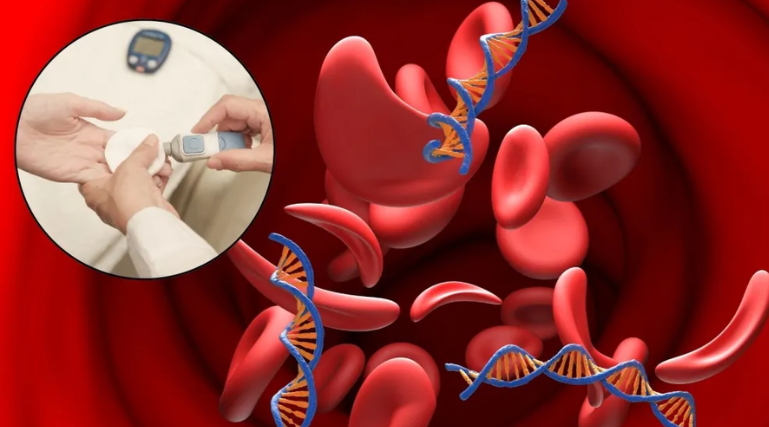
3 September 2026 Punjab Khabarnama Bureau : The HbA1c test is widely used to estimate average blood sugar levels over the previous two to three months and is a key tool for diagnosing and monitoring diabetes. But when a person has anaemia or another condition that changes red blood cell lifespan, the result may not always reflect their true blood glucose levels.
A 2026 review focusing on Indian populations highlighted concerns around relying solely on HbA1c because of the high prevalence of anaemia, haemoglobin disorders and G6PD deficiency, along with differences in the quality and standardisation of testing methods.
What Does HbA1c Actually Measure?
HbA1c, or glycated haemoglobin, measures the amount of glucose attached to haemoglobin in red blood cells.
Because red blood cells normally circulate for around 120 days, HbA1c provides a weighted picture of glucose exposure over roughly the previous two to three months. It is convenient because fasting is generally not required.
But the test depends not only on glucose. It also depends on how long red blood cells survive in the bloodstream.
If red blood cells are being destroyed or replaced faster than usual, or survive longer than expected, the HbA1c number can shift even when actual blood sugar has not changed correspondingly.
How Iron-Deficiency Anaemia Can Raise HbA1c
One important example is iron-deficiency anaemia.
Iron deficiency can alter red blood cell production and may increase the average age of circulating red blood cells. Older cells have had more time to accumulate glucose attached to haemoglobin.
As a result, HbA1c can sometimes appear higher than expected for the person’s actual glucose levels. This means a borderline or elevated HbA1c should be interpreted carefully when significant iron deficiency is present.
Some Types of Anaemia Can Lower HbA1c
The effect is not always an increase.
Conditions that shorten red blood cell survival, including haemolytic anaemia and recent significant blood loss, can cause HbA1c to appear falsely low because younger red blood cells have had less time to accumulate glycated haemoglobin.
This can create a particularly confusing situation: someone may have elevated glucose readings while their HbA1c appears reassuringly low.
Haemoglobin Disorders Can Also Interfere
Anaemia is not the only blood-related issue that can affect HbA1c.
Haemoglobin variants and haemoglobinopathies, including conditions involving variants such as HbS, HbC, HbD and HbE, can interfere with some HbA1c testing methods. The effect depends partly on the specific assay used.
This is especially relevant in India and South Asia, where inherited haemoglobin disorders and other conditions affecting red blood cells are important considerations when interpreting HbA1c.
What If HbA1c Doesn’t Match Your Glucose Readings?
A mismatch between HbA1c and blood glucose should not simply be ignored.
For example, if repeated glucose measurements are consistently high but HbA1c remains unexpectedly low, doctors may investigate whether anaemia, altered red blood cell turnover, a haemoglobin disorder or another medical condition is affecting the result.
The American Diabetes Association’s 2026 Standards of Care recommends evaluating possible interference when there is consistent and substantial disagreement between glucose measurements and HbA1c.
Doctors May Use Other Tests
When HbA1c is potentially unreliable, doctors can use other measures of glucose control or diagnosis.
Depending on the situation, these may include:
- Fasting plasma glucose
- Post-meal or other plasma glucose measurements
- Oral glucose tolerance testing
- Continuous glucose monitoring (CGM)
- Fructosamine
- Glycated albumin
The appropriate alternative depends on why HbA1c may be unreliable and the patient’s clinical circumstances.
Treating Anaemia Matters Too
If anaemia is contributing to an unusual HbA1c result, the underlying cause needs to be evaluated and treated.
Iron deficiency, for example, should not be assumed to be harmless. Persistent anaemia can have its own health consequences and may require investigation for nutritional deficiency, blood loss or another underlying cause.
Once the underlying blood abnormality is addressed and red blood cell turnover becomes more stable, HbA1c may provide a more dependable picture of glucose exposure.
Why This Matters in India
The issue is particularly important in India because anaemia is common, while HbA1c is increasingly used for diabetes screening and monitoring.
The 2026 Indian-focused review published in The Lancet Regional Health – Southeast Asia argued that anaemia, haemoglobinopathies, G6PD deficiency and laboratory factors can complicate interpretation of HbA1c in Indian populations.
That does not mean HbA1c is useless. Rather, it means the result needs to be interpreted alongside the person’s clinical picture and other glucose measurements when conditions affecting red blood cells are present.
A Convenient Test, But Not an Infallible One
HbA1c remains a valuable test because it provides a longer-term picture of glucose exposure without requiring fasting.
However, it is an indirect measure of blood glucose, and anything that substantially changes red blood cell lifespan or haemoglobin characteristics can affect the number.
The key warning sign is a persistent mismatch between HbA1c and actual glucose readings. In such cases, further evaluation can prevent an inaccurate result from driving an incorrect diagnosis or treatment decision.