

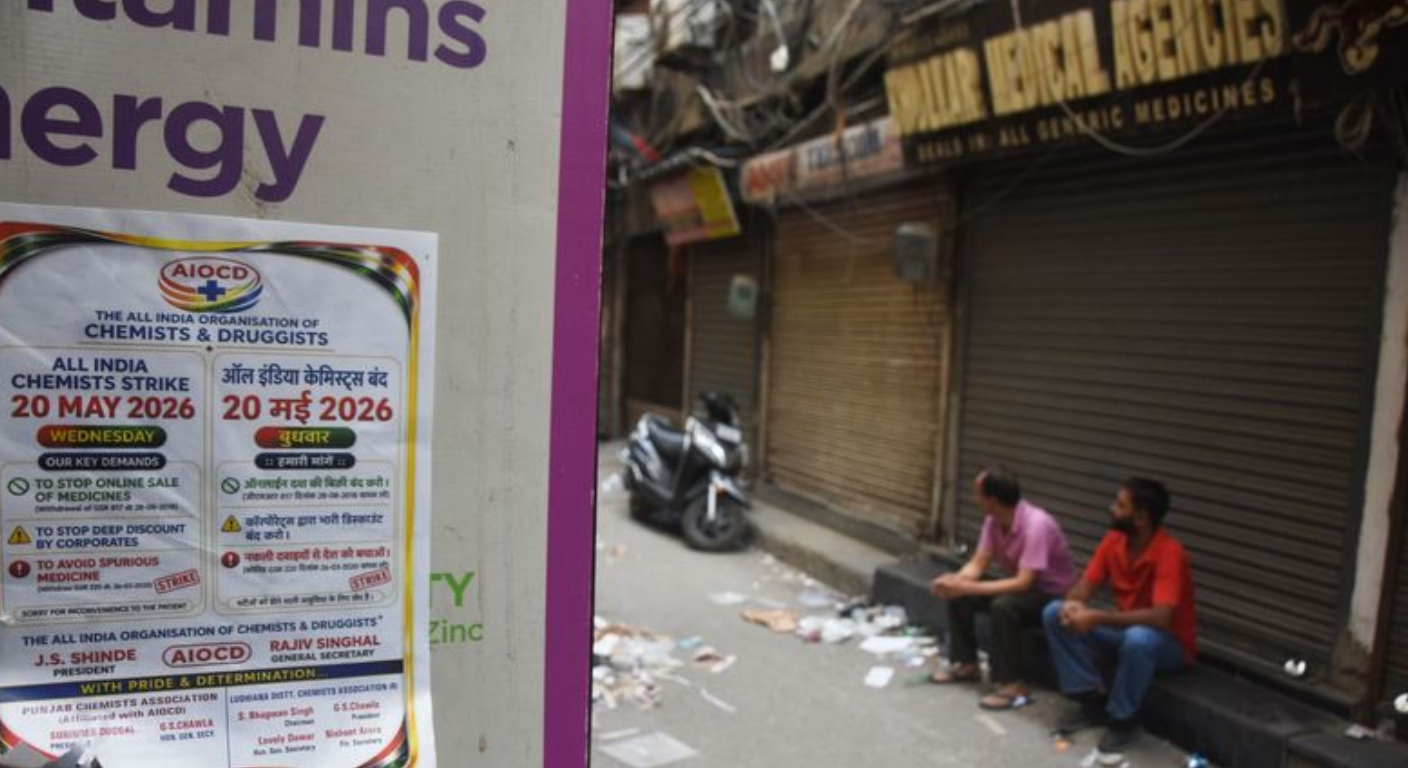
20 May 2026 Punjab Khabarnama Bureau : A one-day strike called by chemists in Ludhiana caused major inconvenience for patients and their families after nearly 4,000 medicine shops across the city remained shut in protest on Monday. The shutdown disrupted access to essential medicines and healthcare supplies, especially affecting elderly patients and those requiring urgent medication.
The strike was organized by local chemist associations in support of their demands related to pharmaceutical trade regulations and business concerns. From early morning, shutters remained down across wholesale and retail medical stores in several parts of Ludhiana, including major commercial markets and residential areas.
Patients visiting pharmacies for regular medicines, emergency prescriptions, and medical supplies were seen returning disappointed after finding shops closed. Several families reported difficulties in arranging medicines for chronic illnesses such as diabetes, hypertension, heart disease, and respiratory conditions.
The impact of the strike was particularly severe for people dependent on daily medication. Some patients were forced to search across multiple localities in hope of finding open pharmacies, while others turned to hospital dispensaries or online delivery services for assistance.
According to representatives of chemist associations, the strike was intended to draw attention toward pending demands and concerns affecting pharmaceutical traders. Protesters claimed that certain regulatory and operational issues were putting pressure on small and medium medical store owners.
Chemist leaders said the shutdown received widespread support from pharmacy owners across Ludhiana district, leading to closure of nearly all major medicine outlets. They stated that emergency medical services and selected hospital pharmacies were allowed to function in limited capacity to avoid complete disruption.
Despite those arrangements, many residents complained about difficulties in obtaining medicines during the strike period. Hospitals and clinics also witnessed increased pressure as patients approached healthcare institutions seeking assistance for urgent prescriptions.
Doctors expressed concern over the impact of the strike on vulnerable patients. Medical professionals noted that interruptions in medicine availability can create serious health risks for individuals suffering from chronic conditions requiring uninterrupted treatment.
Several attendants accompanying patients at hospitals said they faced significant stress after being unable to purchase prescribed medicines from nearby pharmacies. Some claimed they had to travel long distances to locate open dispensaries or authorized medical counters.
The strike also affected availability of essential healthcare products including surgical items, diagnostic supplies, and over-the-counter medicines. Parents of young children and elderly citizens were among those most affected by the sudden closure of shops.
Meanwhile, representatives of chemist associations defended the protest and said traders had repeatedly raised their concerns with authorities before resorting to the strike. They argued that business owners were facing operational challenges requiring government attention and policy intervention.
The protesting organizations stated that the one-day shutdown was meant as a symbolic demonstration and warned that larger protests could follow if their demands remain unresolved. However, they also expressed regret over inconvenience caused to patients and appealed for public understanding.
Local administration officials monitored the situation throughout the day and remained in contact with chemist associations and healthcare institutions. Authorities reportedly made efforts to ensure emergency medicine availability through hospital networks and selected essential outlets.
Residents took to social media to share their experiences during the strike, with many criticizing the disruption to healthcare access. Others expressed support for the chemists’ concerns but urged both authorities and traders to find solutions without affecting patients.
Business analysts observed that large-scale pharmacy shutdowns in major cities can significantly impact public healthcare systems because many families rely on neighborhood chemists for immediate access to medicines and medical guidance.
Healthcare experts stressed the importance of maintaining emergency medicine supply systems during such protests. They suggested that contingency arrangements should be strengthened to protect vulnerable patients from disruptions during future strikes or emergencies.
Political leaders also reacted to the strike, with some opposition representatives criticizing the administration for failing to resolve traders’ concerns before the shutdown occurred. Others called for dialogue between authorities and pharmacy associations to prevent prolonged disruption in healthcare services.
By evening, chemist association leaders announced that the strike would remain limited to one day unless future protest decisions are taken collectively. Most shops are expected to reopen and resume normal operations from the next morning.
The incident once again highlighted how disruptions in the pharmaceutical sector can directly affect public health, especially in densely populated urban centers like Ludhiana where thousands of residents depend daily on accessible medicine supply networks.