

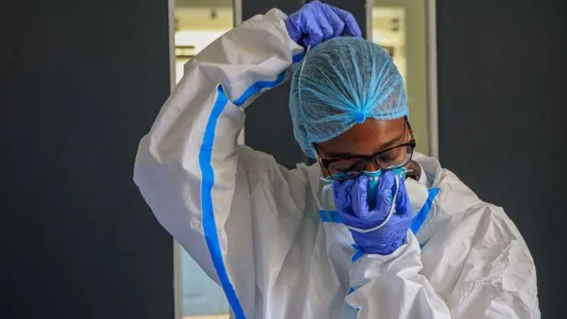
21 October 2026 Punjab Khabarnama Bureau : Kenya is working to contain an Ebola outbreak after confirming nine cases, including one death, as of October 20, 2026. Health authorities say all nine cases are linked to a single cluster, with no evidence so far of transmission beyond the identified group. Officials are continuing contact tracing, quarantine and monitoring measures to prevent further spread.
The latest case was confirmed on Tuesday after a close family member of the first patient tested positive while already in quarantine. The development has raised concerns about the spread of Ebola in East Africa, particularly as neighbouring Democratic Republic of Congo (DRC) continues to face a major outbreak.
Although the situation in Kenya appears contained within the known cluster, health officials have stressed the importance of continued surveillance and infection-control measures.
Nine Cases Confirmed, Including One Death
Kenya’s first confirmed case involved a man who had travelled from the Democratic Republic of Congo through Uganda before arriving in Nairobi on October 3. He was admitted to a hospital after becoming ill and tested positive for Ebola on October 5. He died the same day.
Subsequent infections were identified among people who had close contact with the first patient, including family members and healthcare workers. The latest confirmed patient was already in quarantine when he developed symptoms and tested positive.
According to health officials, eight patients were stable and responding to treatment as of October 20. Authorities have not reported evidence of transmission outside the identified cluster.
The identification of infections among close contacts highlights the importance of monitoring people who may have been exposed to the virus. Finding cases while individuals are already in quarantine can help reduce the risk of further transmission within the wider community.
Contact Tracing and Quarantine Measures
Kenyan health authorities have identified 135 people who had contact with confirmed cases. By October 20, officials had traced and placed 134 of them in quarantine, while efforts to locate the remaining contact continued.
People exposed to Ebola are monitored for 21 days, the recognised incubation period during which symptoms may develop. The first group of contacts was expected to complete its monitoring period around October 25, provided they remained symptom-free.
Health officials have also strengthened infection-prevention procedures at medical facilities to protect healthcare workers and prevent infections during patient care.
The government has urged communities to welcome people who complete quarantine without developing symptoms, explaining that individuals who have completed the required monitoring period without becoming ill pose no ongoing infection risk from that exposure.
How Did Ebola Reach Kenya?
The outbreak in Kenya is linked to the ongoing Ebola outbreak in the Democratic Republic of Congo. The first confirmed patient in Kenya had travelled from the DRC through Uganda before reaching Nairobi.
The initial case raised questions about cross-border surveillance and the detection of infected travellers. Following the confirmation, Kenya strengthened screening procedures at points of entry and expanded efforts to identify people who might have been exposed.
Authorities have also increased coordination between healthcare facilities, laboratories and public health teams to support the rapid identification of suspected infections.
The situation has attracted regional attention because people regularly travel between East African countries for work, trade and family reasons. Public health agencies are therefore monitoring the possibility of further cross-border transmission.
What Type of Ebola Is Involved?
The outbreak is caused by the Bundibugyo virus, a member of the Ebola virus group. It can cause severe illness and spreads through direct contact with the blood or other bodily fluids of an infected person, including someone who has died from the disease. Contaminated clothing, bedding and other materials can also transmit the virus.
Symptoms may include fever, weakness, fatigue, muscle pain, vomiting and diarrhoea. In severe cases, the disease can cause bleeding and organ complications.
The Bundibugyo strain presents additional treatment challenges because there is no specifically approved vaccine or targeted treatment for this strain. Medical care focuses on supportive treatment, careful monitoring and managing complications.
Early identification, isolation and appropriate medical care are important elements of the response.
Is Ebola Under Control in Kenya?
The latest information indicates that Kenya has made progress in containing the known cluster, but the outbreak cannot yet be considered fully over.
The absence of confirmed transmission beyond the identified group is encouraging. The fact that most known contacts have been traced and quarantined also gives health authorities an opportunity to monitor potential infections and respond quickly.
However, the situation could change if additional infections are discovered. Continued testing, contact tracing and monitoring remain essential until officials determine that the outbreak has been brought to an end.
Kenya’s response is being supported by international health agencies, including the World Health Organization, which has assisted with medical supplies, laboratory testing, surveillance and infection-prevention measures.
What Should the Public Know?
Health authorities are urging people to remain informed and avoid spreading unverified information about the outbreak. Anyone who believes they have had direct contact with a suspected or confirmed Ebola patient should contact healthcare professionals promptly.
People should avoid direct contact with the bodily fluids of anyone suspected of having Ebola and follow official public health advice.
The outbreak in Kenya also highlights the importance of international cooperation when infectious diseases cross national borders. Rapid information-sharing, effective screening and access to appropriate medical facilities can help limit the spread of dangerous infections.
For now, the available evidence suggests that Kenya’s nine confirmed cases remain linked to one known cluster. Authorities are continuing containment measures, but further monitoring is necessary before the situation can be declared resolved.