

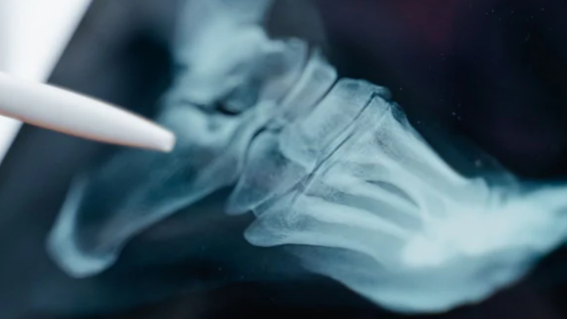
21 October 2026 Punjab Khabarnama Bureau : Osteoporosis is emerging as an important bone health concern among Indian men, prompting doctors in Delhi to emphasise the need for early screening, timely diagnosis and preventive care. Often considered a condition that primarily affects women, osteoporosis can also weaken men’s bones, increasing their risk of fractures, mobility problems and long-term disability.
The condition develops when bones lose density and strength, making them more vulnerable to breaking even after relatively minor falls or injuries. Medical experts warn that the disease can remain undetected for years because bone loss usually occurs without noticeable symptoms until a fracture happens.
Doctors are encouraging men, particularly older adults and those with additional risk factors, to discuss their bone health with healthcare professionals rather than waiting for pain or an injury to reveal a problem.
New Research Highlights Bone Health Risks in Indian Men
A systematic review and meta-analysis published in the Indian Journal of Medical Research in 2026 estimated that 14.6% of Indian men included in the analysed studies had osteoporosis, while 50.3% had osteopenia, a condition involving lower-than-normal bone density. The findings were based on a limited number of studies and showed substantial variation, so the figures should not be treated as exact estimates for all Indian men.
Osteoporosis often develops without obvious warning signs. A fracture after a minor fall, loss of height or persistent back pain can indicate a need for medical assessment. Doctors recommend that people discuss their individual risk factors and whether a bone-density test is appropriate, particularly as they get older.
Who Is at Risk of Osteoporosis?
Ageing is an important risk factor, but several other factors can contribute to bone loss in men and women. These include inadequate calcium and vitamin D intake, physical inactivity, smoking, excessive alcohol consumption and certain long-term medical conditions.
Low testosterone levels, some hormonal disorders and prolonged use of corticosteroid medicines can also increase osteoporosis risk in men. A previous fracture, particularly after the age of 50, is another reason to seek medical evaluation.
Doctors stress that bone health should not be assessed on age alone. Medical history, medication use, nutritional status and previous injuries all help determine whether screening is needed.
Why Early Screening Matters
Osteoporosis can weaken bones gradually without causing noticeable symptoms. As a result, many people discover the condition only after suffering a fracture.
A dual-energy X-ray absorptiometry scan, commonly called a DXA or DEXA scan, is widely used to measure bone mineral density. Doctors may recommend this test depending on a person’s age, fracture history and other risk factors.
Early diagnosis can help healthcare professionals recommend appropriate lifestyle changes, nutritional improvements and medication when necessary. Timely treatment can reduce the risk of future fractures and help preserve mobility and independence.
Nutrition and Exercise Can Help Protect Bones
Doctors recommend a balanced diet containing sufficient calcium, vitamin D and protein to support healthy bones. Milk, curd, paneer, calcium-fortified foods, pulses and suitable green vegetables can contribute to calcium intake.
Regular weight-bearing activities, such as walking, and muscle-strengthening exercises can also help maintain bone strength and balance. People with existing osteoporosis or a history of fractures should seek medical guidance before starting strenuous exercise.
Avoiding smoking, limiting alcohol consumption and addressing nutritional deficiencies are additional steps that may help reduce bone-loss risks.
Delhi Doctors Emphasise Preventive Care
Healthcare professionals in Delhi-NCR are encouraging greater awareness of osteoporosis among men, who may be less likely to seek screening because the condition is commonly associated with women.
The latest research highlights the need to recognise osteoporosis as a concern affecting both sexes. Although the available studies have limitations, their findings reinforce the importance of understanding individual risk factors and seeking medical advice when appropriate.
Early screening, adequate nutrition and regular physical activity can help people protect their bone health and reduce the likelihood of debilitating fractures later in life.