

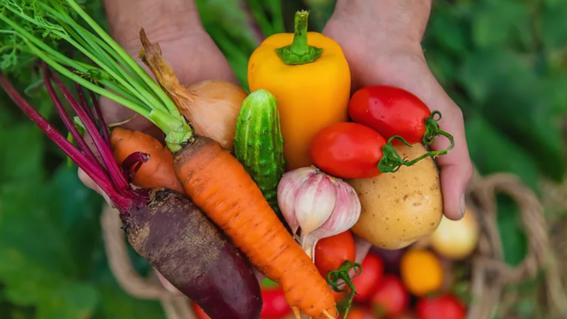
21 October 2026 Punjab Khabarnama Bureau : Maintaining younger-looking skin is not just about using skincare products. Diet also plays an important role in supporting skin health, improving hydration and protecting the body against damage that can contribute to premature aging. A balanced diet containing fruits, vegetables, healthy fats, protein and essential vitamins can help the skin maintain its natural appearance and function.
Although no single food can eliminate wrinkles or stop the aging process, certain nutrients support collagen production, help protect skin cells from oxidative stress and maintain the skin’s natural barrier. Experts generally recommend a varied, balanced diet rather than relying on expensive supplements or so-called anti-aging foods.
1. Citrus Fruits for Vitamin C
Oranges, lemons, sweet limes, guavas and amla are excellent sources of vitamin C. This nutrient is essential for collagen production, which helps maintain the skin’s structure and firmness.
Collagen is a protein that supports the skin and contributes to its elasticity. As people age, natural collagen production gradually declines, which can contribute to fine lines and changes in skin texture.
Including vitamin C-rich foods in daily meals can help the body produce collagen and protect cells from oxidative damage. Guava and amla are particularly useful options for people looking for affordable sources of vitamin C.
Eating whole fruits is generally preferable to drinking fruit juice regularly because whole fruits provide dietary fibre and can help with fullness.
2. Nuts and Seeds for Healthy Fats
Almonds, walnuts, sunflower seeds, flaxseeds and chia seeds provide healthy fats and other nutrients that support overall health.
Almonds contain vitamin E, an antioxidant that helps protect cells from oxidative stress. Walnuts and flaxseeds provide essential fatty acids, while sunflower seeds are another useful source of vitamin E.
Healthy fats also contribute to the skin’s natural protective barrier, which helps reduce excessive moisture loss. Including moderate portions of nuts and seeds in a balanced diet can therefore support skin health.
A small handful of unsalted nuts or a spoonful of seeds can be added to breakfast, yoghurt or salads. Portion control remains important because nuts and seeds are energy-dense foods.
3. Tomatoes for Antioxidant Protection
Tomatoes contain lycopene, a carotenoid with antioxidant properties. Antioxidants help protect cells against oxidative stress caused by unstable molecules known as free radicals.
Some research suggests that diets rich in lycopene may offer modest protection against certain effects of ultraviolet exposure. Cooked tomatoes, particularly when prepared with a little oil, can provide readily available lycopene.
However, eating tomatoes does not replace sunscreen. Daily sun protection remains one of the most effective ways to reduce premature skin aging, including wrinkles, uneven pigmentation and loss of elasticity.
Fresh tomatoes, tomato-based curries and homemade tomato soups are easy ways to include this food in everyday meals.
4. Fatty Fish and Plant-Based Omega-3 Sources
Fatty fish such as salmon, sardines and mackerel provide omega-3 fatty acids, which support normal body functions and help regulate inflammatory processes.
For vegetarians, walnuts, flaxseeds, chia seeds and certain other plant foods provide alpha-linolenic acid, a plant-based omega-3 fatty acid.
These foods can contribute to a balanced dietary pattern that supports overall health. However, evidence that any individual omega-3 food directly reverses wrinkles or visibly rejuvenates skin remains limited.
People following vegetarian diets can combine plant-based omega-3 sources with adequate protein, vegetables, fruits and whole grains to maintain a nutrient-rich eating pattern.
5. Protein-Rich Foods for Collagen Support
Protein supplies amino acids needed to maintain and repair body tissues, including the skin. Inadequate protein intake can affect the body’s ability to maintain normal tissue structure.
Eggs, milk, yoghurt, paneer, lentils, chickpeas, beans, tofu and soy products are useful protein sources. People following vegetarian diets can include a variety of these foods throughout the day.
The body also needs vitamin C and other nutrients to produce collagen effectively. Eating adequate protein alongside a varied diet is more beneficial than relying on one supposedly special food.
Collagen supplements are marketed widely, but they are not essential for everyone, and their benefits vary across studies.
6. Green Leafy Vegetables for Vitamins and Minerals
Spinach, broccoli, kale and other green vegetables provide nutrients such as folate, vitamin C and carotenoids. These nutrients contribute to normal cell function and help protect the body from oxidative stress.
A diet containing a variety of colourful vegetables can support overall health and provide the nutrients needed for normal skin maintenance.
Broccoli and spinach can be included in curries, soups, salads and other everyday dishes. Combining leafy greens with other vegetables also helps increase dietary variety.
7. Berries and Other Colourful Fruits
Strawberries, blueberries, grapes, pomegranates and other colourful fruits contain different plant compounds, including polyphenols and carotenoids.
These compounds have antioxidant properties and may contribute to the benefits associated with fruit-rich dietary patterns. Vitamin C in fruits such as strawberries also supports collagen production.
Fresh, seasonal fruits are often an affordable and practical choice. In India, guava, papaya, oranges, amla and pomegranate can provide a range of nutrients without requiring imported superfoods.
Eating a variety of fruits is more useful than depending on one fruit for all skin-related benefits.
8. Water for Maintaining Hydration
Adequate water intake supports normal body functions and helps prevent dehydration. When the body is dehydrated, skin may appear less fresh, although drinking excess water does not necessarily improve wrinkles in people who are already adequately hydrated.
Water needs vary depending on physical activity, climate, health and other factors. Drinking regularly throughout the day and consuming water-rich foods can help maintain hydration.
Cucumber, watermelon, oranges and soups also contribute to daily fluid intake.
Foods and Habits That May Accelerate Skin Aging
A balanced diet is only one part of maintaining healthy-looking skin. Several everyday habits can also influence its appearance.
Frequent consumption of sugary drinks and highly processed foods can make it harder to maintain an overall healthy dietary pattern. Smoking and excessive ultraviolet exposure are established contributors to premature skin aging. Poor sleep and chronic stress can also affect general wellbeing and skin appearance.
Limiting excessive added sugar, avoiding smoking, getting sufficient sleep and using broad-spectrum sunscreen can complement a nutrient-rich diet.
A Simple Daily Diet for Healthy-Looking Skin
A practical daily eating pattern could include oats or another whole-grain breakfast with nuts and fruit, followed by a lunch containing lentils, vegetables, whole grains and yoghurt. Fruit can be eaten as a snack, while dinner can include paneer, tofu or beans with vegetables and roti.
This type of diet provides protein, fibre, healthy fats, vitamins and minerals without requiring expensive products or complicated meal plans.
Ultimately, younger-looking skin is influenced by genetics, age, sun exposure, sleep, lifestyle and nutrition. No food can guarantee wrinkle-free skin, but consistently eating a balanced diet can help support skin health over time.