

20 May 2026 Punjab Khabarnama Bureau : The United Nations Security Council has strongly condemned the recent attack targeting a nuclear facility in the United Arab Emirates, describing the incident as a serious threat to regional stability and international security.
In an official statement issued after emergency consultations, members of the Security Council expressed deep concern over the attack and emphasized the importance of protecting civilian nuclear infrastructure from acts of violence or sabotage. The council called for restraint, accountability, and full respect for international law amid escalating tensions in the region.
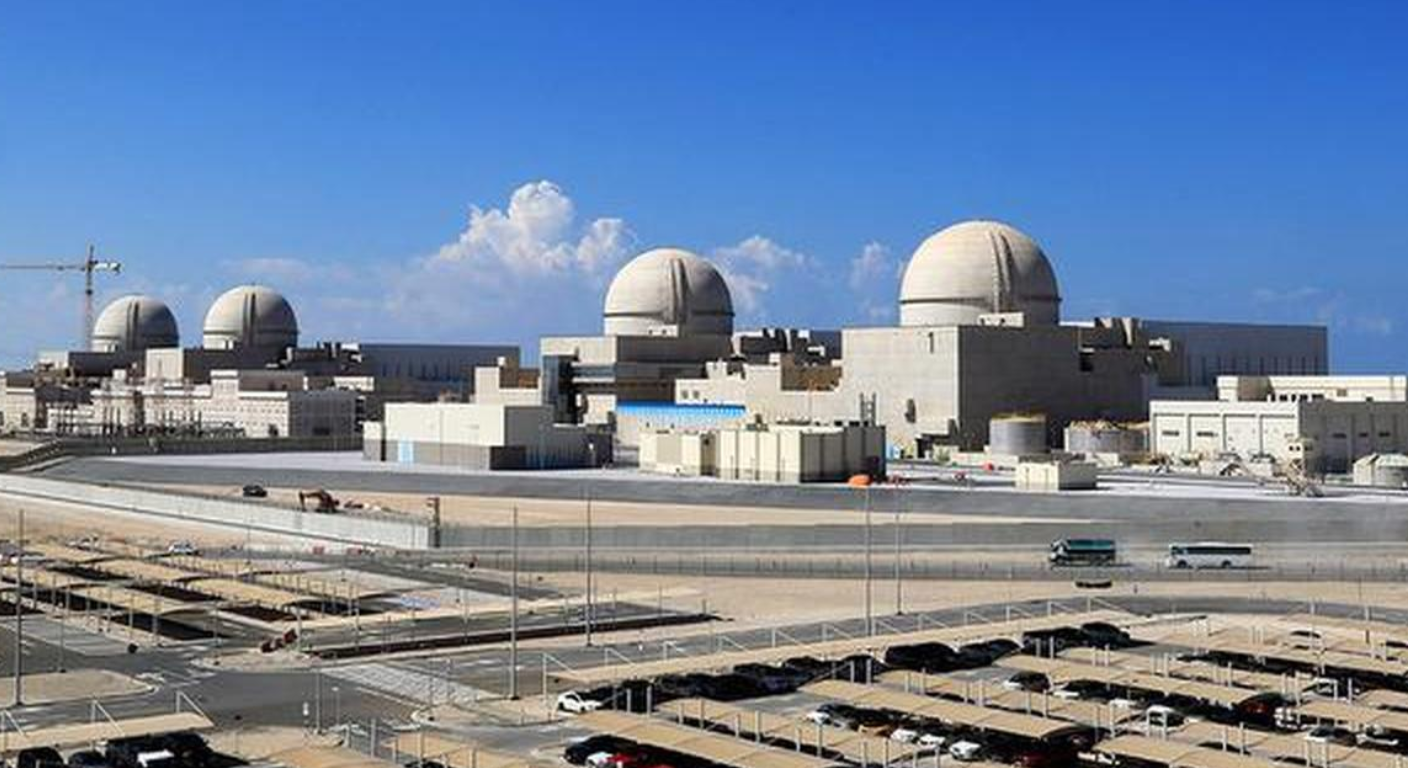
According to diplomatic sources, the attack targeted infrastructure linked to the UAE’s peaceful nuclear energy program. While authorities have not disclosed the complete extent of the damage, officials stated that security systems responded quickly and there was no immediate indication of radioactive leakage or major nuclear risk to the public.
The UAE government condemned the incident and described it as a dangerous escalation that could have had catastrophic consequences. Emirati officials stressed that the country’s nuclear facilities are dedicated to peaceful civilian energy production and operate under strict international monitoring and safety standards.
The targeted facility is believed to be associated with the UAE’s expanding nuclear energy sector, which has been promoted as part of the country’s long-term strategy to diversify energy sources and reduce dependence on fossil fuels. Security around critical infrastructure across the Emirates was reportedly heightened following the incident.
Members of the Security Council urged all parties to avoid actions that could further destabilize the Gulf region. Several countries warned that attacks involving nuclear infrastructure carry serious international implications because of potential environmental, humanitarian, and security consequences.
The council also reaffirmed the importance of safeguarding nuclear installations under international conventions and stressed that civilian facilities should never become targets during regional conflicts or geopolitical disputes.
Although no organization immediately claimed responsibility for the attack, investigations are underway to determine the source and method of the assault. Regional intelligence and security agencies are reportedly coordinating closely with international partners to assess evidence and strengthen preventive measures.
International Atomic Energy Agency officials were also monitoring the situation closely. The International Atomic Energy Agency reiterated that nuclear safety and security remain critical priorities and called for full cooperation to ensure protection of nuclear facilities in conflict-prone regions.
Global leaders reacted with concern after reports of the attack emerged. Several governments condemned the incident and warned that targeting sensitive infrastructure could dramatically increase instability across the Middle East. Diplomatic efforts intensified following the incident to prevent further escalation.
Analysts believe the attack reflects rising regional tensions linked to broader geopolitical rivalries and ongoing conflicts involving multiple regional powers. The Gulf region has witnessed increasing security challenges in recent years, including missile attacks, drone strikes, maritime confrontations, and cyber threats targeting strategic infrastructure.
Experts noted that nuclear facilities are considered highly sensitive targets because even limited attacks can trigger international panic and raise fears of environmental disaster. Although modern nuclear plants include extensive protective mechanisms, any hostile action against such infrastructure is viewed as extremely dangerous.
The UAE has invested heavily in developing civilian nuclear energy under international oversight as part of efforts to meet growing electricity demand and support sustainable energy goals. The country’s nuclear program has generally been presented as a model for peaceful nuclear cooperation in the Middle East.
Security specialists warned that attacks on energy and nuclear infrastructure could disrupt regional economic stability and global energy markets. The Gulf region remains strategically important due to its role in international oil production, shipping routes, and energy exports.
Diplomatic observers said the Security Council’s swift condemnation reflects growing international concern over attacks targeting critical civilian infrastructure. Several member states reportedly pushed for stronger international coordination to protect nuclear and energy facilities from future threats.
Meanwhile, UAE authorities assured residents and the international community that there was no immediate public safety threat following the incident. Emergency response and security teams remained on high alert while investigations continued.
The attack is expected to feature prominently in upcoming international security discussions involving Gulf stability, energy infrastructure protection, and regional conflict management. Experts believe the incident may also lead to renewed debate over strengthening international legal protections for civilian nuclear sites.
As investigations proceed, the United Nations and international agencies are likely to continue monitoring developments closely while urging diplomatic efforts to reduce tensions and prevent further escalation in the region.