

21 May 2026 Punjab Khabarnama Bureau : Iran is currently examining a new proposal from the United States aimed at ending months of heightened tensions and conflict in the Middle East, as US President Donald Trump claimed negotiations are now in their “final stages.”
The latest diplomatic developments come amid ongoing international efforts to prevent renewed military escalation between Washington and Tehran following weeks of ceasefire negotiations, economic pressure, and regional instability.
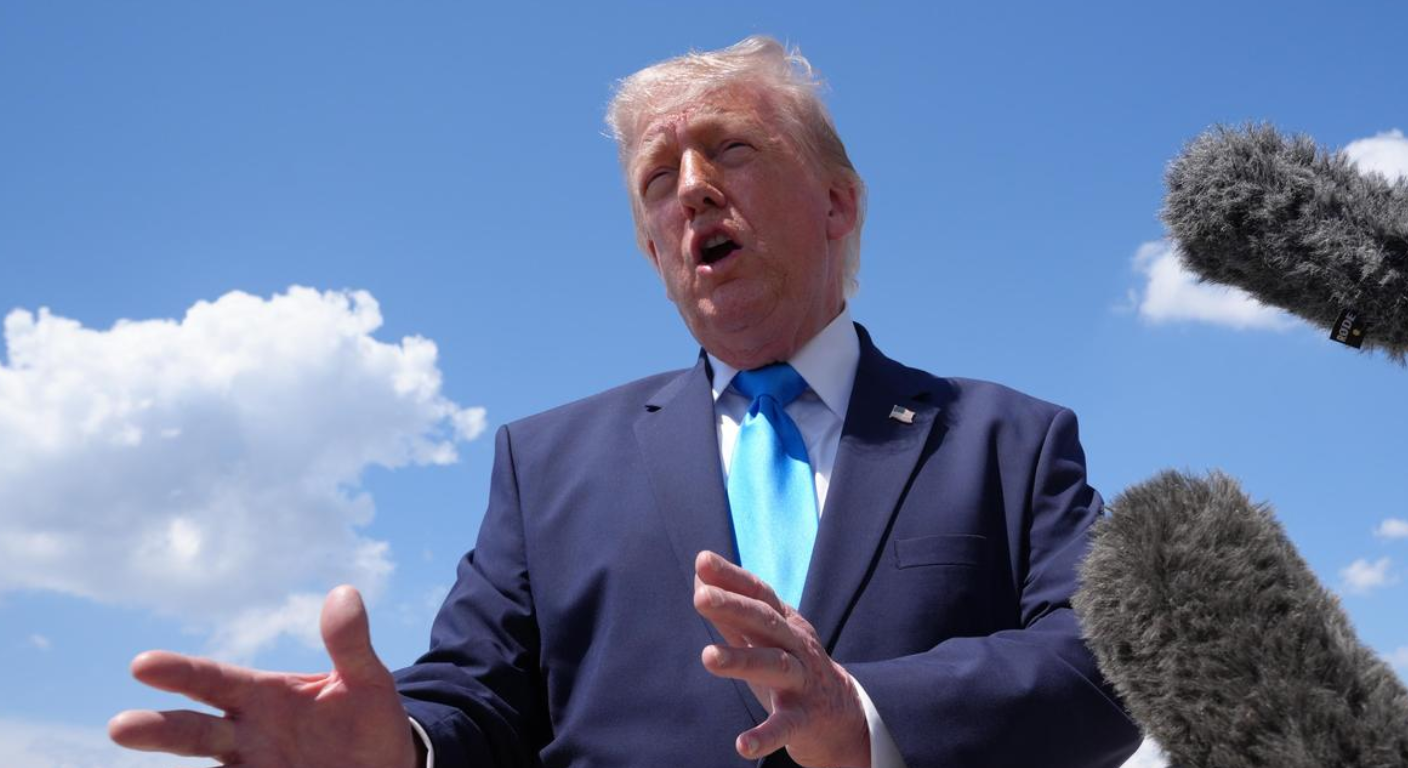
Speaking to reporters, Trump said the talks with Iran had entered a decisive phase, while also warning Tehran that failure to reach an agreement could result in tougher action by the United States. He expressed hope that diplomacy would succeed but maintained that Washington remained prepared for alternative measures if negotiations collapsed.
“We’ll either have a deal, or we’re going to do some things that are a little bit nasty,” Trump said during remarks delivered before traveling to official engagements in the United States.
Iranian officials confirmed they had received the latest American proposal through diplomatic mediation channels and were currently reviewing its contents. Iranian Foreign Ministry spokesman Esmaeil Baqaei stated that Tehran was carefully examining the “points of view” presented by the American side.
According to reports, the negotiations are being mediated largely through Pakistan, which has emerged as an important intermediary between the two countries during recent efforts to avoid renewed conflict. Pakistan’s Interior Minister Mohsin Naqvi reportedly visited Tehran again this week as part of ongoing diplomatic coordination.
Iran has continued to insist on several key demands during the negotiations. These reportedly include the release of Iranian assets frozen abroad, easing of economic sanctions, and removal of US restrictions and blockades affecting Iranian ports and maritime trade.
One of the most sensitive issues in the talks remains the future of the strategically crucial Strait of Hormuz, through which a significant portion of the world’s oil and liquefied natural gas supplies normally pass. Although a ceasefire previously reduced direct military confrontation, full reopening of the waterway has remained unresolved.
The uncertainty surrounding the strait has continued affecting global markets and energy prices. However, reports suggesting possible diplomatic progress caused oil prices to decline sharply, with traders hoping a deal could reduce regional instability and restore smoother energy flows.
Iranian officials simultaneously warned against renewed military action. Senior Iranian leaders and members of the Islamic Revolutionary Guard Corps stated that any fresh attacks would trigger a broader regional response extending beyond the Middle East.
Tehran’s negotiators also accused Washington of maintaining military pressure even while diplomatic discussions continued. Iranian officials argued that threats of military action complicated trust-building efforts and made negotiations more difficult.
Despite the tense rhetoric, diplomatic engagement between the two sides has continued. International observers believe both Washington and Tehran are attempting to avoid another large-scale regional conflict due to its potential impact on global energy markets, shipping routes, and regional stability.
The proposed agreement reportedly involves multiple complex issues, including Iran’s nuclear activities, sanctions relief, maritime security, and reopening commercial access through the Strait of Hormuz. Earlier reports indicated that Washington had pushed for limitations on Iran’s uranium enrichment and missile capabilities in exchange for economic relief.
Regional powers including Saudi Arabia, Pakistan, and other Gulf countries are also closely monitoring the negotiations due to fears that another military escalation could destabilize the region further.
Saudi Foreign Minister Prince Faisal bin Farhan reportedly praised efforts to “give diplomacy a chance” and urged Iran to seize the opportunity to avoid wider conflict.
Meanwhile, security concerns remain high in the region. Israeli military officials stated they were maintaining maximum alert levels and preparing for all possible scenarios as negotiations continued.
Analysts say Trump is facing increasing domestic pressure as rising oil prices and economic concerns begin affecting American consumers. A prolonged conflict in the Gulf could significantly increase global fuel costs and disrupt international trade flows.
Experts believe the coming days may prove critical in determining whether the talks produce a formal agreement or whether tensions return to military confrontation. While optimism over diplomacy has improved market sentiment temporarily, significant disagreements still appear unresolved.
For now, both Washington and Tehran continue balancing diplomatic engagement with strong public warnings, leaving the outcome of the negotiations uncertain but globally significant.