

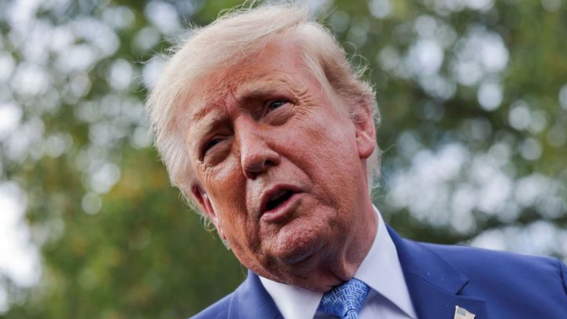
6 November 2026 Punjab Khabarnama Bureau : US President Donald Trump has met with his national security team to discuss the possibility of launching another round of military strikes against Iran, amid continuing tensions between Washington and Tehran. The meeting comes as the United States evaluates its military options and prepares for the possibility of renewed operations in the Middle East.
According to media reports, the discussions focused on the current security situation, Iran’s nuclear programme and the potential consequences of another military confrontation. Although American forces are reportedly preparing for possible military action, Trump has not publicly announced a final decision to launch fresh attacks.
The developments have raised concerns about a possible escalation in the Middle East, particularly as diplomatic efforts to reduce tensions continue.
Trump Discusses Military Options With Security Advisers
During the meeting, Trump reportedly discussed the possibility of authorising another military operation against Iran with senior national security officials.
The discussions included potential military targets, operational preparations and the possible consequences of renewed attacks. The administration is particularly concerned about Iran’s nuclear activities and wants to prevent Tehran from developing nuclear weapons.
US military planners have reportedly been examining different operational options in case the president decides to approve further strikes.
However, the final decision remains with Trump, who must consider the military, diplomatic and economic consequences of another confrontation.
The White House has not announced any confirmed timeline for a possible operation.
US Military Prepares for Possible Fresh Attacks
The US military has reportedly been reviewing its operational readiness in the Middle East as tensions with Iran continue.
Military preparations could include positioning aircraft, strengthening regional defence systems and reviewing potential targets associated with Iran’s military capabilities.
American military planners are also assessing the risks of retaliation against US personnel and installations across the region.
Any new operation could potentially target military infrastructure, missile facilities and other strategically important locations. However, the exact nature and scale of any possible attack have not been officially confirmed.
The United States has maintained that its military decisions will depend on developments in the region and instructions from the president.
Iran’s Nuclear Programme Remains a Major Concern
Iran’s nuclear programme remains one of the biggest disagreements between Washington and Tehran.
The US government has repeatedly expressed concerns about Iran’s uranium enrichment activities and its potential ability to develop nuclear weapons.
Washington wants stronger assurances that Iran will not pursue a nuclear weapons programme. Tehran, however, has maintained that its nuclear activities are intended for peaceful purposes and has rejected allegations that it is seeking to build nuclear weapons.
The disagreement has remained a major obstacle to diplomatic negotiations between the two countries.
Trump has repeatedly indicated that preventing Iran from acquiring nuclear weapons is a major priority of his administration.
Diplomatic Efforts Continue to Reduce Tensions
Despite military preparations, diplomatic efforts to prevent another confrontation have continued through regional countries.
Nations including Qatar, Oman, Saudi Arabia, Turkey and Egypt have played important roles in communicating with Washington and Tehran.
These countries are concerned that another military confrontation could affect regional stability, international trade and energy supplies.
Iran has also indicated that any meaningful negotiations must address its security concerns and the economic pressure imposed by the United States.
However, significant differences remain between the two governments, making an immediate diplomatic breakthrough uncertain.
Gulf Countries Concerned About Possible Retaliation
The possibility of fresh American strikes has created concern among countries in the Persian Gulf.
Several regional governments are reportedly reviewing their security arrangements in preparation for any possible escalation.
Countries hosting American military installations could face security challenges if Iran decides to retaliate against US interests.
Iran has previously warned that attacks against its territory could lead to responses targeting military facilities and other strategic interests in the region.
Such developments could potentially expand the confrontation beyond the borders of Iran and affect several neighbouring countries.
Strait of Hormuz Raises Global Oil Concerns
Another major concern is the Strait of Hormuz, a strategically important waterway through which a significant portion of the world’s oil shipments passes.
Any military escalation that disrupts shipping through the strait could affect international energy markets and increase oil prices.
Countries dependent on Middle Eastern energy supplies are closely monitoring developments because prolonged disruption could affect fuel availability, transportation costs and global trade.
India is also among the countries that could face economic challenges if oil supplies from the region are disrupted.
Higher crude oil prices could increase import expenses and put additional pressure on domestic fuel prices and inflation.
Will Trump Order Another Military Operation?
The biggest question now is whether Trump will approve another round of military strikes or give diplomatic negotiations more time.
The US administration is reportedly considering both military and diplomatic options. While preparations for possible attacks are continuing, there has been no confirmed announcement of a new operation.
A fresh confrontation could have serious consequences for regional security, international oil markets and relations between major global powers.