

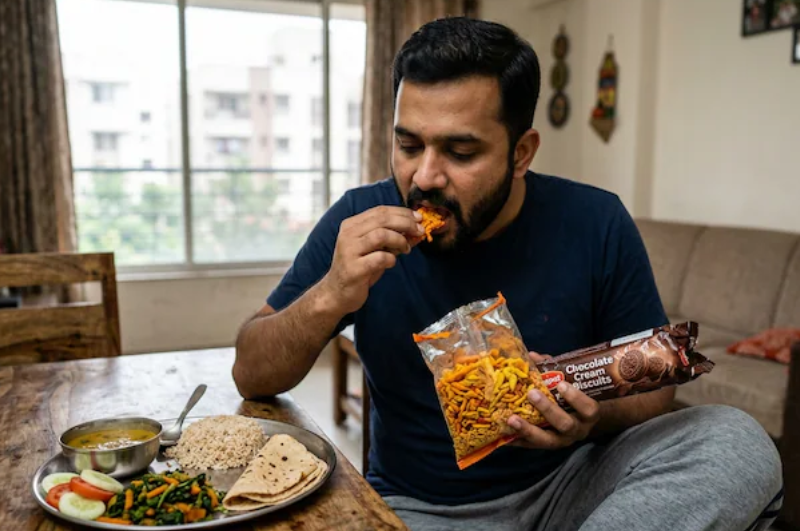
1 April 2026 Punjab Khabarnama Bureau : A growing body of research is raising concerns about the impact of processed foods on gut health, with experts now warning that such diets may reduce gut microbial diversity by as much as 30%. A senior doctor from Fortis Healthcare has emphasized that traditional Indian diets offer a healthier alternative, supporting better digestion and overall well-being.
Gut health has become a central focus in modern medicine, particularly within the field of Microbiome Research. The human gut hosts trillions of microorganisms that play a crucial role in digestion, immunity, and even mental health. A diverse gut microbiome is widely considered a key indicator of good health.
According to medical experts, diets high in processed foods—such as packaged snacks, fast food, sugary beverages, and ready-to-eat meals—can negatively impact this microbial diversity. These foods often contain high levels of refined sugars, unhealthy fats, preservatives, and additives, which may disrupt the balance of beneficial bacteria in the gut.
The Fortis doctor explained that a lack of dietary fiber is one of the primary reasons processed foods harm gut health. Fiber acts as a prebiotic, feeding beneficial bacteria and helping them thrive. In contrast, processed foods are typically low in fiber, depriving the gut microbiome of essential nutrients.
Another concern is the presence of artificial additives and emulsifiers in processed foods. Studies suggest that these substances may alter the gut environment, potentially leading to inflammation and an imbalance in microbial populations. Over time, such changes can contribute to various health issues, including digestive disorders and metabolic diseases.
In contrast, traditional Indian diets are rich in whole foods such as grains, legumes, vegetables, fruits, and fermented items. These foods provide a wide range of nutrients and support a diverse and healthy gut microbiome. Staples like dal, roti, rice, curd, and seasonal vegetables are not only nutritious but also promote digestive health.
Fermented foods, in particular, play a significant role in maintaining gut health. Items such as curd, buttermilk, and pickles contain beneficial bacteria that can enhance gut function. These foods have been a part of Indian culinary traditions for centuries and are now being recognized globally for their health benefits.
The doctor also highlighted the importance of dietary diversity. Consuming a variety of foods ensures that different types of beneficial bacteria are nourished, contributing to a balanced microbiome. Traditional diets naturally incorporate such diversity, with meals often including multiple ingredients and food groups.
Lifestyle factors also play a role in gut health. Regular physical activity, adequate sleep, and stress management are essential for maintaining a healthy digestive system. However, diet remains one of the most influential factors.
The rise in processed food consumption in India is linked to urbanization, changing lifestyles, and increased availability of convenience foods. Busy schedules and the appeal of quick meals have led many people to rely on processed options, often at the expense of nutritional quality.
Health experts warn that long-term reliance on processed foods can increase the risk of conditions such as obesity, diabetes, and cardiovascular diseases. The impact on gut health further compounds these risks, as an imbalanced microbiome can affect multiple aspects of health.
Public awareness about the importance of gut health is gradually increasing, but there is still a need for more education and awareness campaigns. Encouraging people to make informed dietary choices can help address the growing burden of lifestyle-related diseases.
The Fortis doctor stressed that adopting a traditional diet does not require drastic changes. Simple steps such as incorporating more home-cooked meals, reducing intake of packaged foods, and including fiber-rich and fermented foods can make a significant difference.
Nutritionists also recommend reading food labels and being mindful of ingredients when choosing packaged products. Avoiding items with high levels of added sugars, unhealthy fats, and artificial additives can help protect gut health.
In addition, staying hydrated and maintaining regular meal timings can support digestive function. Small, consistent changes in daily habits can lead to long-term health benefits.
In conclusion, the link between processed foods and reduced gut diversity underscores the importance of dietary choices in maintaining overall health. As highlighted by experts from Fortis Healthcare, traditional Indian diets offer a balanced and effective approach to supporting gut health. By prioritizing whole, natural foods and minimizing processed options, individuals can improve their microbiome and enhance their well-being.
Summary
Processed foods may reduce gut diversity by 30%, experts warn, while traditional Indian diets rich in fiber and fermented foods support healthier microbiomes and overall well-being.