

9 October 2026 Punjab Khabarnama Bureau : Punjab is facing growing pressure on its electricity infrastructure, with the domestic power load reportedly increasing by 40% amid the state’s free electricity scheme offering up to 300 units per month to eligible households. The increase has raised concerns about the capacity of the power distribution system to meet rising demand, particularly during periods of peak consumption in the summer.
The free electricity scheme has become a major component of Punjab’s household electricity policy. Under the programme, eligible domestic consumers receive up to 300 units of electricity free of charge every month. The initiative has provided financial relief to many households, helping them manage their monthly expenses amid rising living costs.
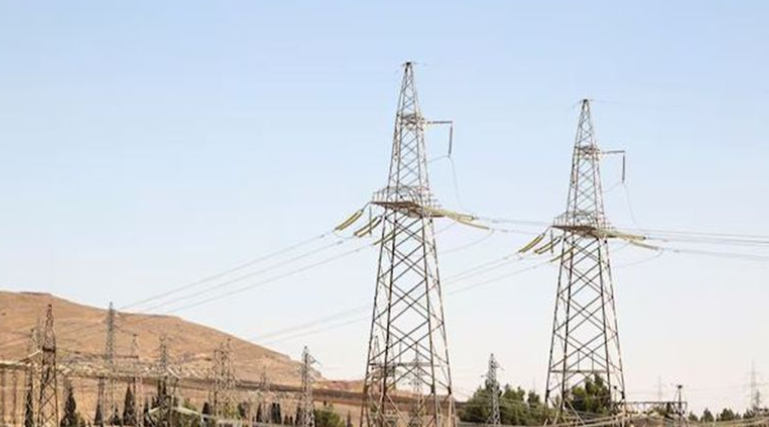
However, the reported increase in domestic electricity load has placed additional demands on the state’s power infrastructure. A higher connected load and increased consumption can require improvements to distribution transformers, substations, transmission networks and local electricity feeders to ensure a reliable supply.
Punjab State Power Corporation Limited (PSPCL), which manages electricity distribution across much of the state, faces the challenge of balancing growing consumption with the need to maintain stable and uninterrupted power supplies. Electricity demand typically rises during summer as households increase their use of air conditioners, coolers, refrigerators, fans and water pumps.
The 40% rise cited in the report highlights the pressure that expanding domestic demand can place on the electricity network. However, an increase in domestic load does not necessarily mean that electricity consumption has increased by the same percentage. Connected load refers to the combined rated capacity of electrical equipment connected by consumers, while actual consumption is measured in units of electricity used over a period.
The distinction is important when assessing the impact of the free power scheme. Higher connected loads may require infrastructure upgrades even if household consumption does not rise proportionately. At the same time, greater use of electrical appliances can increase peak demand and raise the cost of supplying power.
Punjab’s free electricity programme has been designed to provide relief to domestic consumers. The monthly entitlement of up to 300 units can reduce or eliminate electricity bills for eligible households, subject to the applicable billing rules. The scheme has consequently become an important issue in discussions about household affordability and the state’s electricity expenditure.
The financial implications extend beyond the benefits received by consumers. The state government must also account for the cost of subsidised electricity, while the power utility must ensure that sufficient electricity is available to meet demand. This requires coordination between power procurement, generation, transmission and distribution.
Punjab’s electricity requirements are influenced by several factors beyond the free power scheme. Agricultural electricity demand, industrial activity, commercial consumption, weather conditions and population growth all affect the state’s overall power requirements. Summer temperatures can be particularly important because increased cooling demand often pushes electricity consumption to its highest levels.
Agriculture is another significant part of Punjab’s electricity landscape. Electricity used for irrigation, particularly during periods of intensive agricultural activity, contributes to the challenge of managing supply across different consumer categories. Industrial and commercial establishments also require reliable electricity to maintain operations and avoid production losses.
The rise in domestic load therefore presents a planning challenge for PSPCL. Electricity distribution systems must be capable of handling both regular consumption and short periods of exceptionally high demand. If transformers or local feeders operate close to their capacity limits, consumers may experience voltage fluctuations, equipment failures or interruptions in supply.
To address these challenges, power utilities generally undertake capacity assessments, upgrade overloaded transformers, strengthen feeders and improve substations. Preventive maintenance is also necessary to reduce the risk of breakdowns during periods of heavy electricity use.
Demand management can play an additional role. Encouraging consumers to use energy-efficient appliances, maintain air conditioners properly and avoid unnecessary electricity use during peak hours can help moderate demand. Even small reductions in simultaneous consumption can ease pressure on local distribution infrastructure.
The government and the power utility must also assess whether existing infrastructure investment plans are sufficient to accommodate changing consumption patterns. Reliable electricity supply depends not only on the availability of power but also on the ability of the distribution network to deliver it safely and consistently to homes and businesses.
For consumers, the central concern remains uninterrupted electricity supply, particularly during hot weather. Households benefiting from subsidised electricity also depend on a distribution system capable of handling the growing use of cooling equipment and other appliances.
The reported 40% rise in domestic electricity load has brought renewed attention to the relationship between subsidised power, household consumption and infrastructure requirements in Punjab. While the free electricity scheme provides financial relief to eligible families, the long-term management of electricity demand will require careful planning, investment and efficient distribution.
As demand continues to evolve, PSPCL’s ability to strengthen the electricity network and manage peak consumption will remain important to maintaining reliable power supplies across the state.