

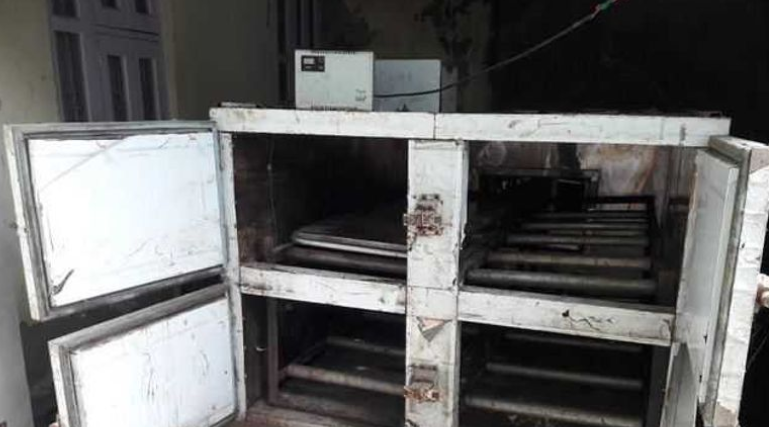
22 September 2026 Punjab Khabarnama Bureau : Punjab’s medico-legal system is facing a serious shortage of forensic medicine specialists, with only four of the state’s 23 districts having dedicated forensic experts at government hospitals, according to departmental data reported by The Tribune.
The shortage is putting additional pressure on doctors from other specialties, while raising concerns over delays in post-mortems, medico-legal reports and investigations into unnatural deaths.
Only Four Districts Have Dedicated Experts
According to the available data, government hospitals in Amritsar, Gurdaspur and Mohali have dedicated forensic medicine specialists. Amritsar has two experts, while Gurdaspur and Mohali have one each.
Another forensic expert is posted at the chemical laboratory in Kharar, while three medical students are temporarily handling medico-legal responsibilities at Dasuya, Bathinda and Phagwara until March 2027.
Other Doctors Forced to Handle Post-Mortems
In the 19 districts without dedicated forensic specialists, doctors from departments such as Surgery, Orthopaedics, ENT, Skin, Ophthalmology and Microbiology are required to conduct post-mortems after their regular outpatient duties.
This adds to their workload and can disrupt routine medical services, particularly at busy government hospitals.
Ludhiana Faces Acute Shortage
The situation is particularly demanding in Ludhiana, where both sanctioned forensic medicine posts at Civil Hospital Ludhiana and Civil Hospital Khanna are vacant.
The Ludhiana Civil Hospital reportedly handles around 30 to 40 medico-legal cases every day, including an average of 7 to 10 autopsies.
Hospital doctors have to balance these responsibilities with outpatient services and surgeries, according to the report.
The forensic post at Civil Hospital Ludhiana became vacant after Dr Charankamal Singh was transferred in September 2024, while Dr Gurvinder Kakkar was transferred from Khanna in May 2025.
Hospitals Seek Help From Medical Colleges
When specialised forensic expertise is required, district hospitals have to arrange assistance from medical colleges and other institutions.
In Ludhiana, Civil Hospital authorities seek help from Dayanand Medical College and Hospital, Christian Medical College and Hospital and the Employees’ State Insurance Corporation Hospital.
Such referrals require coordination through the Civil Surgeon and can add paperwork and potential delays to medico-legal proceedings.
Medical Colleges Better Staffed
The situation is different at Punjab’s government medical colleges.
Rajindra Medical College and Hospital, Patiala, and Guru Gobind Singh Medical College, Faridkot, each have seven forensic experts. Government Medical College, Amritsar, has six, while Dr BR Ambedkar State Institute of Medical Sciences, Mohali, has three.
However, these specialists also serve as faculty, meaning their availability for district-level medico-legal work is not unlimited.
Why Forensic Specialists Matter
Forensic medicine specialists play a crucial role in cases involving suspected murder, suicide, accidents and other unnatural deaths.
Their assessments can help establish the cause and manner of death, document injuries and provide medical evidence that may later become important in criminal investigations and court proceedings.
A shortage of trained personnel can therefore affect more than hospital workload; it can also place additional pressure on the wider justice system.
Ludhiana Vacancy Previously Raised Human Rights Concerns
The shortage in Ludhiana had already attracted attention earlier this year.
In June, the Punjab State and Chandigarh (UT) Human Rights Commission sought a report from the Ludhiana Civil Surgeon over the prolonged vacancy of a forensic medicine specialist at Civil Hospital. Officials said the hospital had requested the state government to fill the position.
The hospital had been relying on specialists from other institutions for specialised post-mortem and medico-legal assistance.
Missing Revenue Records Add to Broader Concern
The latest report also comes amid concerns over missing revenue records in the Nangal subdivision, where jamabandis and mutation registers from several villages were reportedly missing.
Records from 10 villages have been recovered, while records from four villages remained missing, according to the report. An FIR has also been registered in connection with the missing records.
Need for Dedicated Forensic Infrastructure
The shortage highlights the need for dedicated forensic medicine posts at district hospitals rather than relying primarily on doctors from unrelated specialties or experts borrowed from medical colleges.
Forensic specialists can provide specialised medico-legal examinations while allowing other hospital doctors to continue their regular clinical duties.
A Challenge for Punjab’s Health and Justice Systems
Punjab’s shortage of forensic experts affects two interconnected systems: healthcare and criminal justice.
Ensuring adequate staffing could help reduce delays in post-mortems and medico-legal reports while improving the availability of specialised evidence for investigations involving unnatural deaths.
For now, the state continues to depend on a combination of existing specialists, medical-college support and temporary arrangements to meet the demand.