

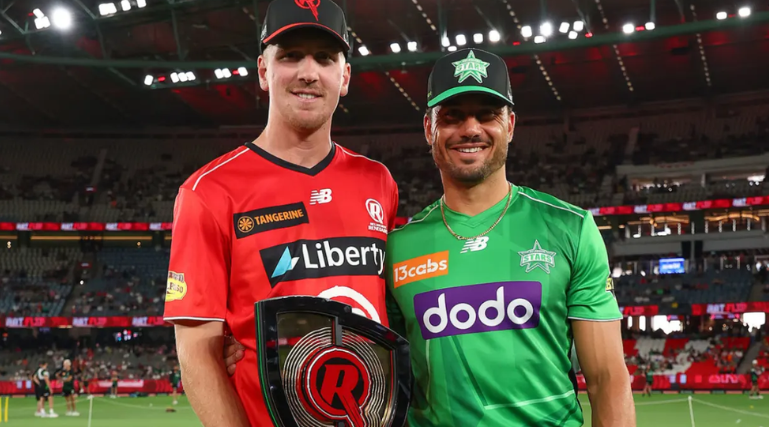
9 September 2026 Punjab Khabarnama Bureau : Cricket Australia has opened the Big Bash League (BBL) to private investment, marking a major change in the structure of Australian domestic cricket. The Melbourne Renegades have become the first BBL club to formally enter a sale process, with a private owner targeted from the 2027-28 season.
The move is designed to bring fresh capital into the BBL and WBBL, strengthen the competitions commercially and create a more sustainable financial model. However, one major question remains unresolved: how much of the proceeds from franchise sales should go to the players?
What Is Being Sold?
The first franchise to enter the process is the Melbourne Renegades.
Cricket Australia has begun inviting bids for the Renegades licence, with the intention of having the club under new ownership from the 2027-28 season. The upcoming 2026-27 BBL season is expected to proceed largely unchanged.
The privatisation model is based on self-determination, meaning individual state cricket bodies can decide whether private investment is appropriate for their BBL clubs rather than every franchise being forced into a sale.
Why Is Cricket Australia Doing This?
The central argument is that private capital could give the BBL a stronger financial and commercial foundation.
Cricket Australia believes outside investment can help the league attract more capital, improve the value of its franchises and make the competition more competitive in the increasingly crowded global T20 market.
The wider plan could generate a windfall of around A$1 billion, although the eventual amount will depend on valuations and how many clubs ultimately attract private investors.
Could More BBL Teams Be Sold?
Yes, potentially.
Cricket Australia’s model allows states to consider private investment in their individual franchises. However, there is no automatic sale of all eight BBL teams.
Each state member can determine its preferred pathway for its club and local cricket community.
That means the BBL could gradually develop a mixed ownership structure, with some teams privately owned and others remaining under state cricket control.
What Does This Mean for IPL Owners?
The move could attract interest from investors already involved in the Indian Premier League, given the commercial expertise and global reach of IPL franchise ownership groups.
Australian cricket has previously attracted attention from potential Indian investors, and the BBL’s new structure could create opportunities for cross-border cricket investment.
However, ownership rights will not necessarily mean complete control over the competition. Cricket Australia has indicated that important areas such as international scheduling, player availability, salary caps and media rights will remain under central control.
The Biggest Unresolved Issue: Players’ Share
The most significant question surrounding the privatisation plan is the Australian Cricketers’ Association (ACA).
The players’ body has warned that several issues remain unresolved before franchise sales can proceed smoothly. One major dispute concerns whether players should receive a share of the proceeds generated by the sale of BBL licences.
The ACA has argued for a 27.5% share of club-sale revenues, while Cricket Australia disputes the players’ interpretation of their entitlement under the existing agreement.
Until this issue is settled, the ownership transition could face further negotiations or arbitration.
Why Are Some States Opposed?
The privatisation plan has exposed divisions among Australia’s state cricket organisations.
Victoria, Tasmania and Western Australia have supported the self-determination approach, while New South Wales and Queensland have raised significant objections. South Australia has also expressed concerns at various stages.
Cricket NSW has warned that private ownership could affect the money available for grassroots cricket and participation programmes, particularly because profits from its BBL operations currently help support the wider state cricket system.