

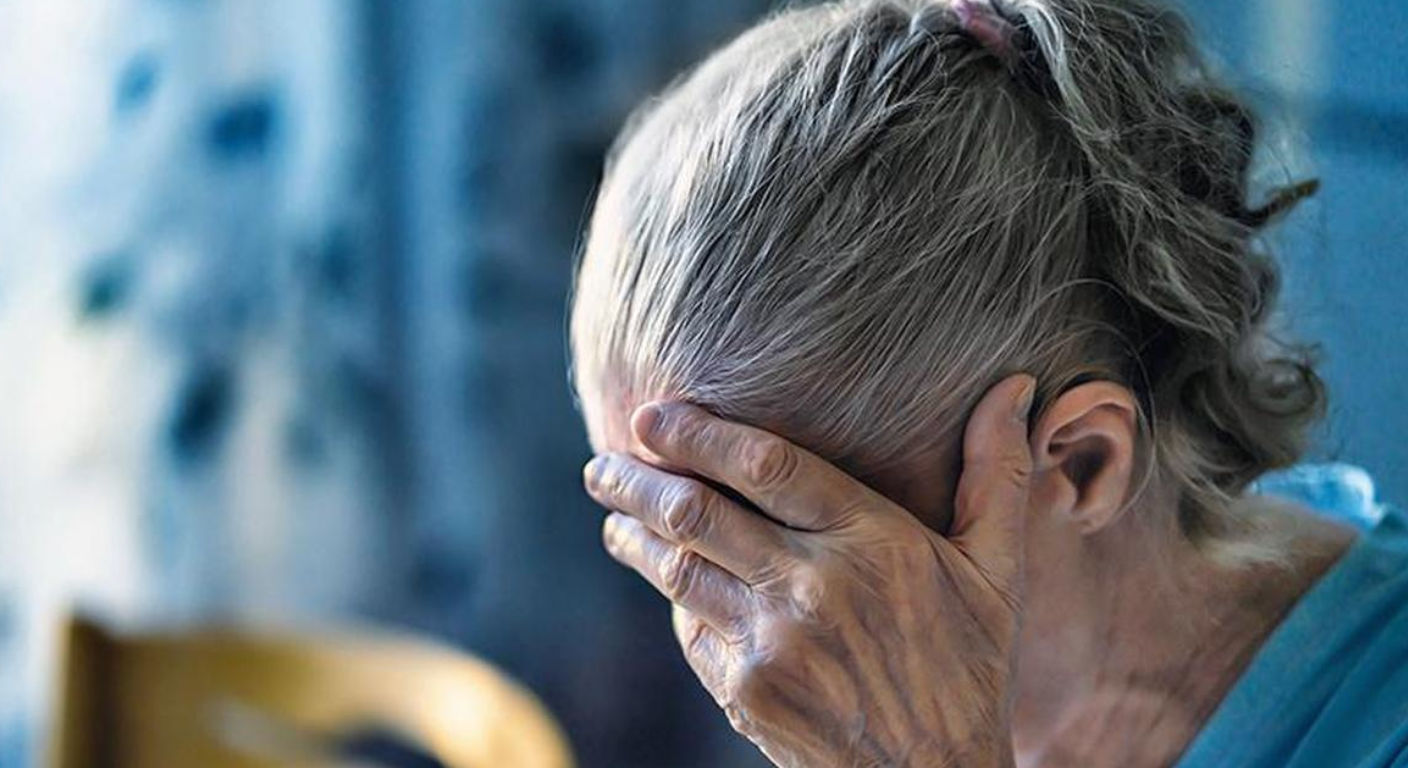
22 June 2026 Punjab Khabarnama Bureau : Health experts are emphasizing that losing bladder control, often referred to as urinary incontinence, should not be considered a normal or inevitable part of ageing. While the condition becomes more common with advancing age, medical professionals stress that it is a treatable health issue rather than something people simply have to live with.
Many older adults hesitate to seek medical help because they believe bladder leakage is a natural consequence of getting older. However, specialists say early diagnosis and treatment can significantly improve quality of life.
What Is Urinary Incontinence?
Urinary Incontinence is the involuntary leakage of urine and can range from occasional minor leaks to a complete inability to control urination.
Common types include:
- Stress incontinence (leakage during coughing, sneezing or exercise)
- Urge incontinence (sudden, intense urge to urinate)
- Overflow incontinence
- Functional incontinence
- Mixed incontinence
Why It Happens
Ageing itself does not directly cause bladder control problems, but age-related changes can increase the risk.
Other contributing factors include:
- Weak pelvic floor muscles
- Childbirth
- Menopause
- Enlarged prostate
- Obesity
- Diabetes
- Neurological disorders
- Urinary tract infections
- Certain medications
Impact On Daily Life
Bladder control issues can affect:
- Social interactions
- Mental well-being
- Sleep quality
- Physical activity
- Confidence and independence
Experts note that many people suffer in silence due to embarrassment, delaying treatment for years.
Treatment Options Available
Doctors say effective treatments are available depending on the underlying cause.
These may include:
- Pelvic floor exercises (Kegel exercises)
- Bladder training
- Lifestyle modifications
- Weight management
- Medications
- Medical procedures or surgery in some cases
When To Seek Medical Advice
Individuals should consult a healthcare professional if they experience:
- Frequent urine leakage
- Sudden urges to urinate
- Difficulty emptying the bladder
- Leakage affecting daily activities
- Recurrent urinary tract infections
Early intervention often leads to better outcomes.
Breaking The Stigma
Health organizations are encouraging people to discuss bladder health openly and seek professional help without embarrassment.
Experts stress that urinary incontinence is a medical condition—not an unavoidable consequence of ageing—and many cases can be successfully managed or treated.
Key Takeaway
Losing bladder control is not a normal part of ageing. Although urinary incontinence becomes more common with age, it is often linked to treatable medical conditions. Health experts encourage individuals experiencing symptoms to seek medical advice rather than accepting bladder leakage as inevitable.