

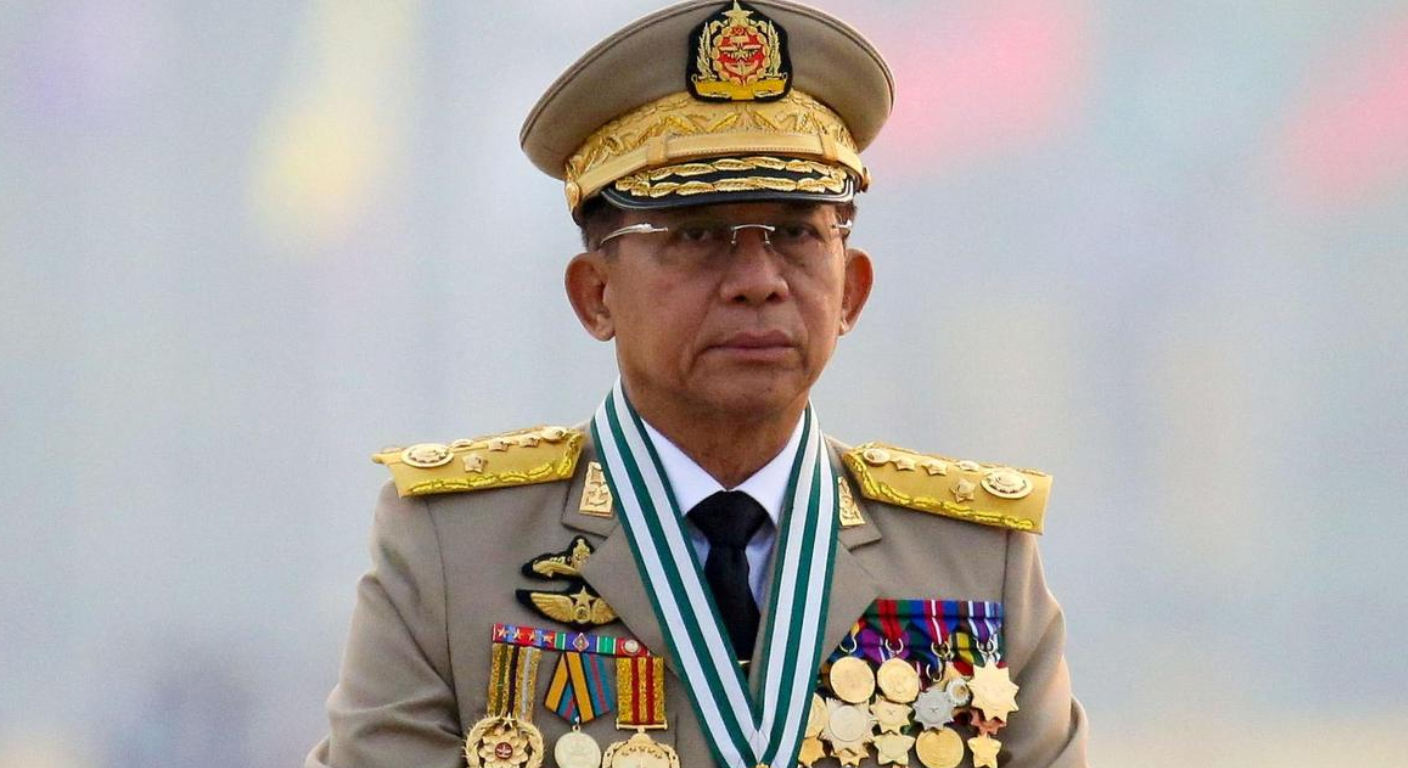
25 May 2026 Punjab Khabarnama Bureau : Myanmar’s military government has reportedly intensified operations in regions rich in rare earth minerals and along key border trade routes, highlighting the growing strategic importance of mineral resources and transportation corridors amid the country’s ongoing civil conflict.
According to regional observers and security analysts, the Myanmar military has increased troop deployments and military activity in areas close to rare earth mining hubs near the Chinese border, where control over resources and trade access has become increasingly valuable.
The escalation reflects both economic and geopolitical pressures facing Myanmar’s ruling junta as fighting continues between military forces and multiple ethnic armed organizations across the country.
Strategic Importance Of Rare Earth Minerals
Rare earth minerals are critical components used in:
- Electric vehicles
- Smartphones
- Renewable energy systems
- Military technology
- Semiconductors
- Advanced electronics
Global demand for rare earth elements has surged in recent years as countries race to expand clean energy technologies and strengthen high-tech manufacturing supply chains.
Myanmar has emerged as an important supplier of certain rare earth minerals, particularly for neighboring China, which dominates global rare earth processing capacity.
Analysts say control over these mining zones has therefore become strategically significant for both economic survival and regional influence.
Border Routes Become Key Battlegrounds
The military’s operations have also focused on securing important border trade routes connecting Myanmar with China and other neighboring countries.
These corridors are crucial for:
- Trade flows
- Fuel movement
- Mining exports
- Military logistics
- Cross-border commerce
Control over border checkpoints and transportation routes allows armed groups and the military to generate revenue through taxes, trade access, and resource transport.
Several ethnic armed organizations currently maintain influence in northern and eastern parts of Myanmar where key trade corridors pass through conflict zones.
Fighting Intensifies In Northern Myanmar
Reports indicate clashes have intensified in northern Myanmar near mineral-rich territories where resistance forces and ethnic militias continue challenging military control.
Security experts believe the junta is attempting to reassert authority over economically valuable areas after suffering territorial setbacks in previous months.
The conflict has created growing instability near border regions that are economically important for both Myanmar and China.
Satellite imagery and regional monitoring groups have reportedly observed increased military movement, infrastructure damage, and displacement in some affected areas.
China Watching Closely
China is closely monitoring developments because of its economic interests in Myanmar’s mining sector and border stability.
Chinese industries rely heavily on rare earth imports for manufacturing and technology production.
Beijing has repeatedly expressed concern about instability near its border, especially when fighting disrupts trade routes or threatens Chinese investments.
Analysts say maintaining access to rare earth supplies remains strategically important for China amid growing global competition over critical minerals.
Economic Pressure On Junta
Myanmar’s military leadership faces increasing economic pressure due to sanctions, internal conflict, reduced foreign investment, and declining state revenue.
Control over natural resources, mining activity, and border trade has therefore become even more important for the junta’s financial survival.
Experts say rare earth mining regions generate substantial economic value, making them highly contested during the ongoing conflict.
Some analysts believe the military may be attempting to consolidate resource control to strengthen its financial position amid prolonged instability.
Humanitarian Concerns Grow
The intensifying conflict has also raised humanitarian concerns.
Aid groups and human rights organizations warn that renewed fighting may lead to:
- Civilian displacement
- Food shortages
- Infrastructure destruction
- Cross-border refugee movement
- Limited humanitarian access
Several communities living near mining and border regions have already faced repeated displacement during earlier phases of the conflict.
Humanitarian agencies say ongoing violence continues worsening conditions for civilians trapped in contested territories.
Environmental Concerns Around Rare Earth Mining
Environmental experts have also expressed concern regarding the ecological impact of rare earth mining in Myanmar.
Rare earth extraction can cause:
- Water contamination
- Soil degradation
- Deforestation
- Toxic chemical exposure
Environmental monitoring in conflict areas remains difficult due to restricted access and ongoing fighting.
Critics argue that weak oversight and conflict conditions increase the risk of unsafe mining practices.
Ethnic Armed Groups Remain Powerful
Myanmar’s civil conflict involves numerous ethnic armed organizations that have historically controlled parts of the country’s borderlands.
Some groups have developed significant influence over local economies, natural resources, and cross-border trade.
Analysts say the military’s efforts to reclaim control over strategic territory may trigger prolonged resistance and further instability.
The fragmented nature of Myanmar’s conflict makes rapid military victories difficult despite intensified operations.
Global Competition Over Critical Minerals
The situation in Myanmar also reflects a broader global competition over critical minerals required for advanced technology and clean energy industries.
Countries worldwide are increasingly seeking secure access to rare earth supplies amid concerns over supply chain concentration and geopolitical risk.
Myanmar’s mineral-rich border regions therefore carry importance beyond the country itself.
Regional Stability At Risk
Security analysts warn that continued escalation near border corridors could affect broader regional stability.
Disruptions to trade routes may impact regional commerce and increase tensions involving neighboring countries with economic interests in Myanmar.
There are also concerns that prolonged instability could encourage smuggling, illegal mining activity, and armed group expansion.
Conflict Likely To Continue
Despite intensified military operations, experts believe Myanmar’s conflict is unlikely to end quickly.
The military continues facing resistance from ethnic organizations and anti-junta groups across multiple regions.
Analysts say control over rare earth resources and border trade routes will likely remain central objectives for all sides involved in the conflict.
For now, Myanmar’s rare earth mining zones and strategic border corridors have become increasingly important battlegrounds in a wider struggle involving economic survival, political control, and regional geopolitical interests.