

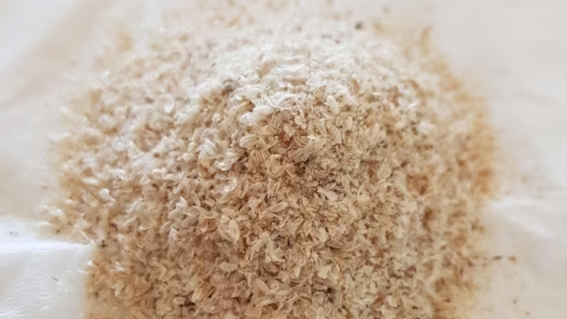
3 February 2026 Punjab Khabarnama Bureau : Psyllium husk, commonly known as isabgol, has long been used as a natural remedy for digestive issues. Now, an organic chemist has weighed in on whether psyllium husk truly qualifies as a good dietary fibre, explaining its science-backed health benefits and the safest, most effective way to consume it.
What Is Psyllium Husk?
Psyllium husk is derived from the seeds of the Plantago ovata plant. Chemically, it is composed largely of soluble fibre, particularly complex polysaccharides that form a gel-like substance when mixed with water.
According to the chemist, this gel-forming ability is what makes psyllium unique and highly effective compared to many other fibre sources.
“From a chemistry standpoint, psyllium is an excellent soluble fibre because it absorbs water, swells, and increases the viscosity of gut contents,” the expert explains.
Is Psyllium Husk a Good Dietary Fibre?
The short answer: Yes, very much so.
Psyllium husk is considered one of the purest forms of soluble dietary fibre, containing minimal digestible carbohydrates, fats, or sugars. Unlike insoluble fibre (such as wheat bran), psyllium dissolves in water and slows digestion, which contributes to several health benefits.
The chemist notes that psyllium does not get fully broken down by digestive enzymes, allowing it to pass through the gut while performing multiple regulatory functions.
Key Health Benefits of Psyllium Husk
1. Improves Digestive Health
Psyllium adds bulk and moisture to stool, helping regulate bowel movements. It can relieve both constipation and mild diarrhoea, making it a rare fibre that works in both conditions.
2. Supports Gut Microbiome
Although psyllium is not a classic prebiotic, it indirectly supports beneficial gut bacteria by improving stool consistency and gut environment.
3. Helps Control Blood Sugar
By slowing carbohydrate absorption, psyllium can reduce post-meal blood sugar spikes. This makes it particularly useful for people with insulin resistance or prediabetes.
4. Aids Cholesterol Reduction
Psyllium binds to bile acids in the intestine, helping reduce LDL (bad) cholesterol levels. Studies have shown regular intake can contribute to better heart health.
5. Promotes Satiety and Weight Management
Because it swells in the stomach, psyllium promotes a feeling of fullness, which may help reduce overeating when taken before meals.
Ideal Way to Consume Psyllium Husk
The chemist stresses that how psyllium is consumed matters just as much as how much is consumed.
Recommended Method:
- Mix 1 teaspoon (3–5 grams) of psyllium husk in
- a full glass of warm water, or
- plain water, or
- unsweetened buttermilk
- Stir quickly and drink immediately before it thickens
- Follow with another glass of water
“Psyllium absorbs water rapidly. If taken without enough liquid, it can swell in the throat or stomach, causing discomfort,” the chemist warns.
Best Time to Take Psyllium
- For constipation: At night before bed
- For blood sugar control or appetite regulation: 15–20 minutes before meals
- For cholesterol management: Once or twice daily, as advised
Consistency is key—benefits are usually seen after 7–14 days of regular use.
Common Mistakes to Avoid
The chemist highlights several common errors people make:
- Taking psyllium dry or with too little water
- Mixing it into thick foods like curd without dilution
- Exceeding recommended dosage
- Taking it alongside medications (it can interfere with absorption)
It is advised to keep a 1–2 hour gap between psyllium and any medication.
Who Should Be Cautious?
While generally safe, psyllium may not be suitable for everyone:
- People with intestinal narrowing or swallowing difficulties
- Those with chronic gut conditions should consult a doctor
- Anyone experiencing bloating should start with a smaller dose
The chemist emphasizes that psyllium is a supportive dietary fibre, not a cure-all.
Psyllium vs Other Fibre Sources
Compared to oats, flaxseed, or fruits:
- Psyllium is more concentrated
- Has fewer calories
- Does not significantly alter taste
- Works faster for bowel regulation
However, experts recommend using psyllium alongside a fibre-rich diet, not as a replacement for whole foods.
Final Verdict
From a scientific and nutritional perspective, psyllium husk is one of the most effective and versatile dietary fibres available. When consumed correctly and consistently, it can significantly improve digestive health, metabolic control, and overall gut function.
The organic chemist sums it up simply:
“Psyllium is a powerful tool—but like any tool, it works best when used properly.”
Summary:
An organic chemist says psyllium husk is a highly effective soluble fibre that aids digestion, blood sugar, and cholesterol control when consumed with enough water and in the right dosage.