

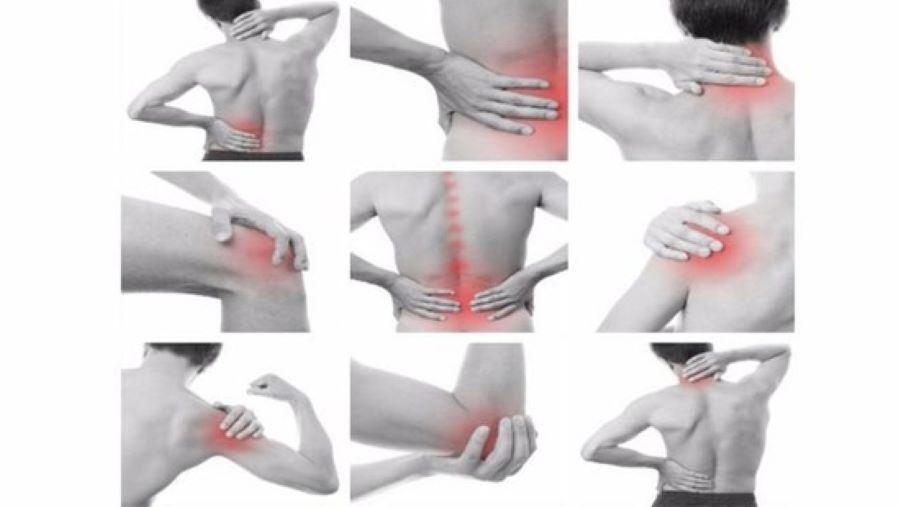
9 september 2024 : Bursitis is the inflammation of a bursa, a small, fluid-filled sac that cushions joints and reduces friction between tendons, muscles, and bones. When the bursa becomes inflamed, it leads to pain, swelling, and discomfort in the affected area. Commonly affected areas include the shoulders, elbows, and hips.
Symptoms:
Dr. Indrajeet Agrawal, Director of Rheumatology at Marengo Asia Hospitals, explains that bursitis is marked by pain, stiffness, redness, swelling, and sensitivity in the inflamed area. It usually affects major joints like the shoulders, elbows, and hips, but can also occur in the knees and around the big toes.
Dr. Akhilesh Yadav, Associate Director of Orthopaedics at Max Hospital, identifies the symptoms as:
- Swelling: The affected area becomes swollen, red, and may feel warm. Even light touch can cause pain.
- Pain: Inflammation of the bursa results in pain that intensifies with movement or use of the affected joint.
- Difficulty Moving: Joint stiffness due to swelling makes movement challenging. For instance, shoulder bursitis can hinder arm lifting and rotation.
- Weakness: The affected area may feel weak, making everyday tasks difficult and causing fatigue.
Causes:
Dr. Agrawal notes that bursitis can be triggered by repetitive motions (like mopping or kneeling), infections, gout, psoriatic arthritis, and rheumatoid arthritis. It is more prevalent among older adults, diabetics, heavy drinkers, and those with compromised immune systems.
Dr. Yadav adds:
- Overuse: Excessive use of a joint can inflame the bursa.
- Injury: Trauma or shock can lead to bursa inflammation.
- Infection: Bacterial or other infections may cause bursitis.
- Arthritis: Conditions like arthritis can also result in bursitis.
Diagnosis:
Dr. Agrawal states that diagnosing bursitis involves a detailed medical history and physical exam, along with blood tests, bursa fluid analysis, and imaging studies like MRIs and ultrasounds to assess inflammation and exclude other conditions.
Treatment:
Dr. Agrawal suggests that conservative treatments are effective for most bursitis cases. These include NSAID gels, anti-inflammatory medications, cold packs, and resting the affected area. If an infection is present, corticosteroid injections or antibiotics may be needed. Physiotherapy can help restore strength and mobility. Surgery is typically a last resort if other treatments fail.
Prevention:
Dr. Agrawal recommends avoiding repetitive motions and managing underlying conditions such as rheumatoid arthritis to prevent bursitis. Proper posture and protective clothing during activities can also help.
Dr. Yadav advises resting the joints, applying ice to reduce pain and swelling, doing light exercises to maintain joint strength, and wearing appropriate, comfortable footwear to lessen stress on the feet. These measures can help prevent bursitis and maintain joint health.