

5 November 2026 Punjab Khabarnama Bureau : Eating outside the home is often unavoidable, especially when travelling, attending weddings or participating in office celebrations. However, choosing the wrong food or consuming items that have not been stored properly can increase the risk of foodborne illnesses. A doctor has now shared important food safety tips, explaining why people should be particularly careful about what they eat at airports, wedding receptions and office parties.
Dr Kapil Kumar Kursiwal, Senior Consultant in GI Surgery and GI Oncology at Dharamshila Narayana Superspeciality Hospital, Delhi, has highlighted the importance of food freshness, hygiene and proper storage while eating outside. According to him, the biggest concern is not necessarily a particular food item but how it is prepared, handled and stored before reaching the consumer.
1. Airport Food: Be Careful With Sandwiches and Fried Snacks
Airports often offer limited food choices, particularly when passengers have long waiting periods before boarding their flights. Sandwiches, burgers, packaged snacks and ready-to-eat meals are among the most convenient options for travellers.
However, chicken, egg and mayonnaise-based sandwiches require special attention because they contain ingredients that can spoil if they are not stored at appropriate temperatures.
Refrigerated foods should ideally be maintained at 4 degrees Celsius or below. Perishable food items should not remain at room temperature for more than two hours. During extremely hot conditions, when temperatures exceed 32 degrees Celsius, this period should be reduced to one hour.
Travellers should prefer freshly prepared food from reliable vendors and check whether chilled products are being stored properly. Food that has been sitting outside refrigeration for an extended period should be avoided.
Another concern is the frequent consumption of fried snacks and sugary beverages. Items such as chips, fried pastries and sweetened drinks may provide quick energy but can add excessive calories, sugar and unhealthy fats to the diet.
Instead, passengers can choose fresh meals, fruits, nuts or other balanced snacks. Drinking sufficient water is also important, particularly during long journeys.
2. Wedding Buffets: Avoid Food That Has Been Left Out for Too Long
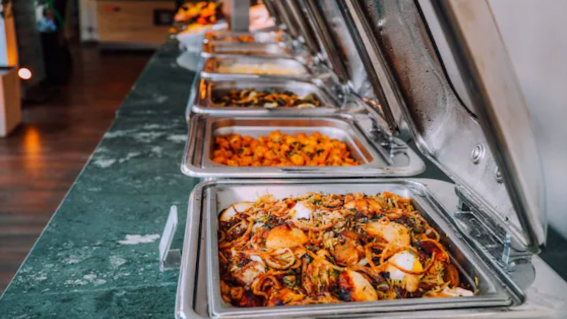
Wedding celebrations are often associated with elaborate food arrangements, multiple counters and large buffet spreads. Guests usually enjoy trying different dishes, desserts and snacks. However, food safety can become a concern when meals are prepared in advance and remain exposed to room temperature for extended periods.
Dairy-based desserts, creamy puddings and other refrigerated preparations require proper temperature control. If these items remain unrefrigerated for too long, harmful bacteria can multiply and increase the possibility of foodborne infections.
Raw salads and pre-cut fruits also deserve attention, particularly when their preparation and storage conditions are unknown. Improper washing, contaminated utensils and excessive handling can introduce harmful microorganisms into food.
Another important point is that contaminated food does not always look or smell different. Therefore, appearance and smell alone cannot guarantee that a dish is safe to consume.
Dr Kursiwal advises people to pay attention to the hygiene of food counters and the way dishes are served. Guests should prefer freshly prepared and properly maintained food rather than choosing items simply because they look attractive.
It is also better to avoid filling plates with every available dish. Selecting a few preferred items, including vegetables and protein-rich foods, can help maintain a balanced meal without unnecessary overeating.
3. Office Parties: Small Snacks Can Add Up
Office celebrations, birthday parties and corporate gatherings often include a variety of snacks and appetisers. Pakoras, spring rolls, fried chicken, sausages, salami and salted crisps are common choices at such events.
Although enjoying these foods occasionally is not necessarily harmful, regularly consuming large quantities can affect overall health.
Fried snacks may contain significant amounts of calories and saturated fat, depending on their preparation. Processed meats such as sausages and salami can also contribute to excessive sodium intake.
The World Health Organization recommends that adults consume less than 2,000 milligrams of sodium daily, equivalent to less than five grams of salt.
Excessive sodium consumption is associated with increased blood pressure and a higher risk of cardiovascular problems.
People attending office parties can make better choices by selecting a few snacks they genuinely enjoy instead of continuously eating throughout the event. Whenever possible, they should include lighter options and avoid repeatedly consuming salty and fried foods.
Taking a moment before getting another serving can also help prevent unnecessary overeating.
4. Is Mayonnaise Always Unsafe?
Mayonnaise is often considered an unhealthy or risky food, particularly when served at parties and restaurants. However, the doctor highlights that mayonnaise itself is not automatically unsafe.
The actual concern is how it has been prepared, handled and stored. Mayonnaise-based dishes containing eggs, chicken or other perishable ingredients require appropriate refrigeration and hygienic handling.
Similarly, creamy desserts are not necessarily harmful when prepared properly and stored at the correct temperature.
The risk increases when perishable foods remain exposed to unsuitable temperatures for extended periods. Therefore, people should focus more on food safety practices rather than completely avoiding an entire category of food.