

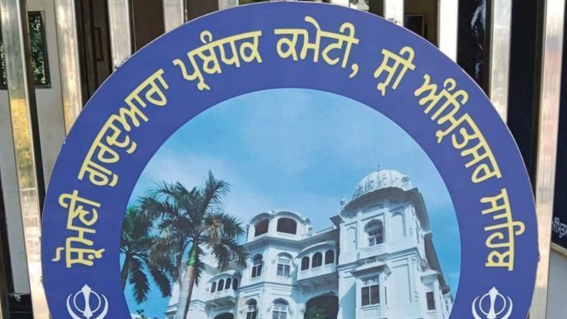
14 October 2026 Punjab Khabarnama Bureau : A controversy has emerged in Punjab after Shiromani Gurdwara Parbandhak Committee (SGPC) member Avtar Singh Ria sent a legal notice to Aam Aadmi Party (AAP) MLA Manwinder Singh Gyaspura over his remarks concerning the acting Jathedar of Sri Akal Takht Sahib, Giani Kuldeep Singh Gargaj. The notice seeks a public apology and warns of further legal action if the demand is not met within the stipulated period. The development has added to the ongoing debate surrounding the recent dispute at the Akal Takht Secretariat. <Cite refs={[“turn894070search0″,”turn894070search1”]}/>
Legal Notice Seeks Public Apology
According to reports published on October 13, SGPC member Avtar Singh Ria issued the legal notice through his counsel, advocate Amardeep Singh Dharni. The notice concerns allegations made by MLA Gyaspura regarding the denial of entry to the Akal Takht Secretariat.
Ria has demanded that the MLA visit Sri Akal Takht Sahib and tender a public apology before the Sikh congregation within 15 days. The notice reportedly states that failure to comply with the demand could lead to a civil defamation lawsuit.
The lawyer has also indicated that further action may be sought through the police if the MLA does not respond as demanded. These are demands made through a legal notice; any subsequent legal proceedings would follow the applicable legal process. <Cite refs={[“turn894070search0″,”turn894070search1”]}/>
What Did MLA Manwinder Singh Gyaspura Say?
The controversy centres on Gyaspura’s allegation that he was denied entry to the Akal Takht Secretariat because he belongs to the Dalit community.
According to media reports, the MLA had gone to the secretariat with fellow AAP legislators and leaders to submit a memorandum concerning an alleged incident involving Delhi Police personnel at Gurdwara Bangla Sahib in New Delhi.
The delegation reportedly wanted the Sikh religious authorities to take up the matter concerning the alleged violation of the gurdwara’s religious decorum. However, Gyaspura was not allowed to enter the secretariat, prompting him to raise allegations of caste-based discrimination. <Cite refs={[“turn894070search6″,”turn894070search9”]}/>
The allegation has become a central point of disagreement between the MLA and representatives associated with Sikh religious institutions.
Akal Takht Secretariat Rejects Discrimination Allegations
The Akal Takht Secretariat has rejected Gyaspura’s allegation that caste was the reason for denying him entry. According to a report published by The Times of India on October 12, the secretariat stated that the decision followed directions from acting Jathedar Giani Kuldeep Singh Gargaj in view of the MLA’s previous remarks concerning Sikh personalities and institutions.
The secretariat described the caste-discrimination allegation as false and misleading. Its position differs from the claim made by the MLA, making the circumstances surrounding the denial of entry a key aspect of the controversy. <Cite refs={[“turn894070search9″,”turn894070search6”]}/>
The dispute has consequently raised questions about the events that took place at the secretariat and the reasons behind the decision. The competing statements should be considered in their proper context, without treating either side’s disputed claims as independently established facts.
SGPC Member Says Remarks Hurt Religious Sentiments
SGPC member Avtar Singh Ria has criticised Gyaspura’s remarks and alleged that they could damage social harmony and the reputation of Sikh religious institutions.
Ria has maintained that Sikh teachings emphasise equality among all human beings and that allegations concerning religious institutions should be made responsibly. He has also stated that he himself belongs to a reserved category and has previously served as the SGPC’s junior vice-president.
According to reports, Ria considers the MLA’s statements unjustified and believes they could encourage divisions along caste lines. These are Ria’s stated views and form part of the grounds behind his demand for a public apology. <Cite refs={[“turn894070search0″,”turn894070search1”]}/>
Golden Temple Management Also Files Complaint
The controversy has extended beyond the legal notice. According to The Times of India, representatives of the Sri Harmandir Sahib management submitted a complaint to the Amritsar Police Commissioner against Gyaspura over his allegations of caste-based discrimination.
The complaint reportedly alleged that the MLA’s statements had harmed the image of Sikh institutions and hurt religious sentiments. The management maintained that the decision to deny entry was not based on caste but was connected to the earlier controversy involving his remarks.
The complaint seeks an impartial inquiry into the matter. Its submission represents a separate development from the legal notice issued by Ria, and any allegations raised in it would need to be examined by the relevant authorities. <Cite refs={[“turn894070search7″,”turn894070search11”]}/>
Akal Takht Calls AAP Legislators for Clarification
The matter has also drawn the attention of the Akal Takht leadership. Hindustan Times reported on October 13 that the acting Jathedar had summoned the AAP legislators who were part of the delegation, excluding Gyaspura, to appear on October 15 and clarify the situation.
The development indicates that the controversy is being addressed through religious as well as legal and administrative channels. The scheduled appearance could provide an opportunity for the legislators to explain their position regarding the incident and the statements that followed. <Cite refs={[“turn894070search6”]}/>
What Happens Next?
The immediate focus is on whether Gyaspura responds to the legal notice and whether the demand for a public apology is fulfilled within the stated 15-day period. If the demand is not met, Ria’s counsel has indicated that a civil defamation case may be filed.
Meanwhile, the police complaint submitted by representatives of the Harmandir Sahib management may be considered through the appropriate legal process. The outcome will depend on the facts established and the action taken by the relevant authorities.
The dispute has brought the relationship between public representatives, religious institutions and allegations of caste discrimination into public discussion. Further developments are expected as the parties respond to the notices, complaints and requests for clarification. Until the relevant facts are established, the competing allegations remain claims that require appropriate examination.