

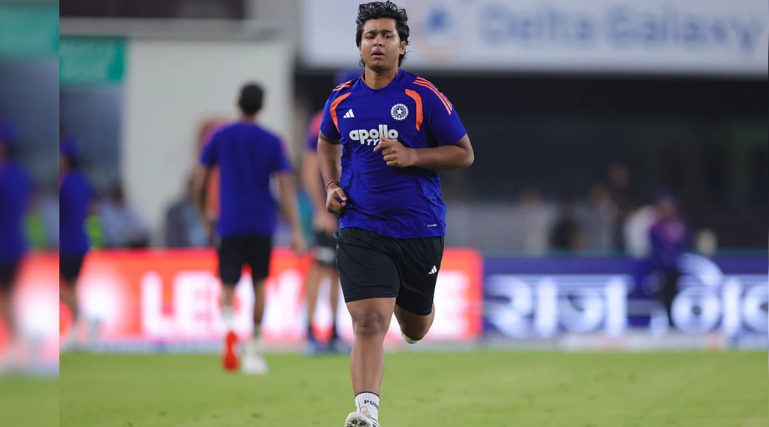
13 October 2026 Punjab Khabarnama Bureau : Young cricket sensation Vaibhav Sooryavanshi has continued to attract attention with his performances, prompting renewed discussions about his future in Indian cricket. An urgent appeal directed at India head coach Gautam Gambhir and cricketer Shreyas Iyer has brought the teenage batter into the spotlight, with the phrase “Last One” featuring prominently in the reported plea.
Sooryavanshi has emerged as one of India’s most talked-about young batting prospects, drawing attention for his aggressive approach and ability to score quickly. His performances have generated excitement among cricket followers, while also raising questions about how best to manage his development and prepare him for higher levels of competition.
Vaibhav Sooryavanshi’s Rising Profile
Sooryavanshi has attracted considerable attention through his performances in domestic and franchise cricket. His fearless batting style, attacking intent and ability to put bowlers under pressure have made him a prominent name among India’s emerging cricket talents.
His rise has also intensified conversations about the opportunities available to young players in the national setup. Supporters believe that promising performers should receive appropriate opportunities to demonstrate their abilities, while others emphasise the importance of consistent performances across formats and levels.
The attention surrounding Sooryavanshi reflects the growing interest in India’s next generation of batters. However, progressing from youth and domestic cricket to the senior international team requires sustained performance, technical development and the ability to handle pressure against experienced opponents.
Plea Directed at Gautam Gambhir and Shreyas Iyer
The reported appeal involving Gambhir and Iyer has drawn attention because of their positions in Indian cricket. Gambhir, as India’s head coach, is involved in shaping the team’s broader strategy and player development priorities. Iyer, meanwhile, is an experienced batter whose performances and leadership experience make him a prominent figure in the Indian cricket setup.
The phrase “Last One” has added intrigue to the discussion. Without the full context of the original statement, however, its precise meaning and the specific request being made cannot be established with certainty.
The reported appeal has renewed debate about whether emerging players such as Sooryavanshi should be considered for greater opportunities and how selectors should balance potential with established performance records.
India’s Search for the Next Generation of Batting Talent
Indian cricket has regularly introduced young players who progressed through age-group competitions, domestic cricket and franchise tournaments before establishing themselves internationally. The development pathway allows selectors and coaching staff to evaluate technical ability, temperament and consistency over time.
Sooryavanshi’s growing reputation has made him part of this wider conversation. His attacking approach could offer an exciting option for the future, particularly as teams continue to assess young batters capable of adapting to the demands of modern limited-overs cricket.
Nevertheless, selection for the senior national side depends on several factors, including team requirements, current form, fitness, competition for places and performances against quality opposition. A player’s long-term development may also require careful workload management and opportunities to gain experience without excessive expectations.
Why Player Development Matters
The discussion surrounding Sooryavanshi highlights a familiar challenge for Indian cricket: identifying promising talent while ensuring that young players receive the right support.
Rapid recognition can create opportunities, but it can also bring pressure and unrealistic expectations. Coaches and selectors must consider whether a player is ready for a particular level of competition rather than relying solely on popularity or isolated performances.
For a young batter, regular competitive cricket, exposure to different bowling styles and guidance from experienced teammates can be important parts of development. Building consistency and learning to adapt to changing match situations are equally essential.
What Happens Next?
The attention generated by the plea is likely to keep Sooryavanshi’s future in the conversation among cricket followers. However, any conclusions about a possible selection decision or a specific role for him in the senior Indian team would require confirmation from the relevant cricket authorities.
For now, the young batter’s performances remain central to the discussion. His continued progress will depend on maintaining form, developing his game and making the most of the opportunities available to him.
The broader debate also reflects the high expectations surrounding India’s emerging cricket talent. Whether Sooryavanshi receives an opportunity at a higher level will ultimately depend on performance, team needs and the selection process rather than public calls alone.
This report summarises the topic indicated by the headline. The original plea and its full context should be verified before attributing a specific demand or statement to Gautam Gambhir, Shreyas Iyer or any other individual.