

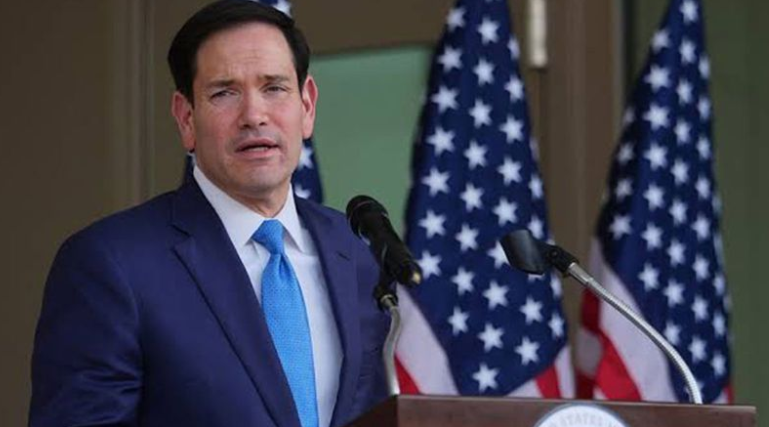
29 September 2026 Punjab Khabarnama Bureau : US Secretary of State Marco Rubio has said President Donald Trump acted to prevent Iran from reaching what he described as a “line of immunity” — a point at which Tehran could build such a large conventional weapons arsenal that military action against its nuclear programme would become significantly more difficult.
What Does ‘Line of Immunity’ Mean?
Rubio’s description refers to a US assessment that Iran was attempting to strengthen its conventional military capabilities, particularly its missile and drone programmes, alongside its nuclear ambitions.
According to Rubio, the concern was that Iran could accumulate enough missiles, drones and other weapons to create a conventional military shield around its nuclear infrastructure.
He said this would make future attempts to disrupt Iran’s nuclear programme much more difficult.
Rubio Credits Trump With Preventing It
Rubio said Trump’s decision to act militarily was aimed at denying Iran the ability to reach that threshold.
He argued that the US operation significantly degraded Iran’s defence-industrial capacity, including its ability to produce missiles and drones.
These are US government assessments; independent verification of the full extent of the reported military damage remains separate from Rubio’s characterization.
Nuclear Programme Remains Central
Rubio has repeatedly said that the central US objective is preventing Iran from obtaining a nuclear weapon.
In recent remarks, he said Washington’s position remained that Iran “can never have a nuclear weapon,” while indicating that the US was prepared to pursue diplomacy if Tehran addressed the nuclear issue.
US and Iran Continue Indirect Contacts
Rubio’s comments come as Washington and Tehran continue efforts to communicate through intermediaries.
According to the latest reports, Iranian Foreign Minister Abbas Araghchi said Iran had held further indirect discussions with the United States through Qatari mediators in New York.
The talks reportedly remain focused on the nuclear issue and the future of the Strait of Hormuz.
Strait of Hormuz Adds to Tensions
The strategic waterway remains a major part of the confrontation.
Iran has proposed conditions under which it could reopen the Strait of Hormuz, while US officials have rejected aspects of Tehran’s proposal and continued to insist on security and freedom of navigation through the waterway.
Trump Says Conflict Could End Soon
Trump has recently said the United States could achieve victory in the conflict “very soon” and indicated that further talks could take place through mediators.
The comments reflect the administration’s simultaneous use of military pressure and diplomatic channels to seek an end to the confrontation.
US Position on Iran’s Military Capabilities
Rubio’s explanation suggests that Washington views Iran’s missile and drone capabilities as closely connected to the broader nuclear issue.
The administration argues that reducing those conventional capabilities limits Iran’s ability to deter or withstand future military pressure.
Iran, however, has maintained its own position in the negotiations and has sought conditions including relief from US pressure and measures relating to the Strait of Hormuz.
What Happens Next?
The immediate focus remains on whether indirect negotiations can narrow differences between Washington and Tehran.
The nuclear programme, sanctions, frozen Iranian assets and the Strait of Hormuz are among the issues complicating the talks.
For now, Rubio’s “line of immunity” description provides the US administration’s explanation for why Trump chose military action rather than relying solely on negotiations. The broader claims about Iran’s capabilities and the effectiveness of the strikes remain matters of continuing dispute and assessment.