

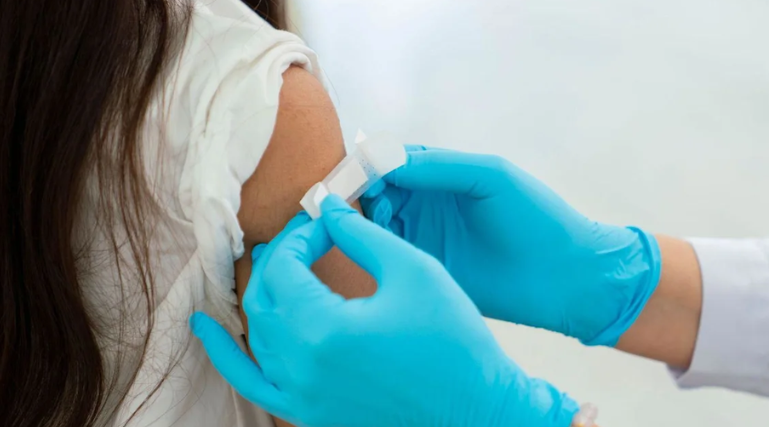
24 September 2026 Punjab Khabarnama Bureau : Health experts and public-health advocates are calling for greater awareness and uptake of the Human Papillomavirus (HPV) vaccine among eligible young people as India expands its nationwide programme aimed at preventing cervical cancer.
The national HPV vaccination campaign, launched in February 2026, provides a free, voluntary single-dose HPV vaccine to 14-year-old girls at government health facilities, with parental consent. The programme is designed to provide protection before exposure to HPV, a major cause of cervical cancer.
India Expands HPV Vaccination Drive
India has made significant progress since launching the national campaign.
The Union Health Ministry said more than 80 lakh HPV vaccine doses had been administered under the programme, marking a major milestone in the country’s efforts to strengthen cervical cancer prevention. Several states have reported high coverage among their identified target groups.
The government has identified approximately 1.2 crore girls in the annual 14-year-old cohort as potential beneficiaries of the programme, according to estimates cited by the Health Ministry.
Why HPV Vaccination Matters
HPV is a common viral infection that can cause several types of cancer, including cervical cancer.
Vaccinating adolescents before exposure to the virus can provide important protection against HPV-related disease. Health authorities have therefore focused the national programme on girls aged 14, when vaccination can offer preventive benefits well before the typical age of cervical cancer development.
NITI Aayog member Dr Vinod K Paul has previously explained that the campaign is intended to ensure adolescent girls receive protection before entering their reproductive years.
Government Vaccine Available Free of Cost
Under the national programme, the single-dose Gardasil-4 vaccine is being provided free at government health facilities.
These include Ayushman Arogya Mandirs, primary and community health centres, sub-district and district hospitals and government medical colleges.
The vaccination programme is voluntary, and parental consent is mandatory. Beneficiaries can also register through the U-WIN platform.
Safety Monitoring Built Into Programme
Authorities have also put safety-monitoring systems in place as the programme expands.
Vaccination sessions are conducted under medical supervision, while vaccination sites are linked with facilities for managing Adverse Events Following Immunization (AEFI).
The government has said medical personnel have been trained to respond to adverse events and that the vaccination rollout was preceded by training across States and Union Territories.
Experts Stress Awareness Among Young People
Despite the expansion of the programme, public-health experts continue to stress the importance of awareness.
Parents and eligible adolescents may have questions about HPV, vaccination timing, possible side effects and the benefits of receiving the vaccine at the recommended age.
Health authorities have said the HPV vaccine has been used safely in many countries for years. ICMR Director General Dr Rajeev Bahl has also said the vaccine cannot cause HPV infection and that serious adverse events are extremely uncommon.
States Showing Strong Progress
The latest government data indicates that some states have already achieved high coverage.
Gujarat, Uttar Pradesh, Madhya Pradesh and Mizoram have reported 100% coverage of their identified target populations, while Bihar, Andhra Pradesh and Assam have crossed 90%. Karnataka has reported coverage above 85%.
The figures demonstrate the potential reach of a coordinated public-health vaccination programme when adequate vaccine supplies, trained healthcare workers and local outreach are available.
Need to Reach More Eligible Adolescents
With millions of eligible girls across India every year, health authorities face the continuing challenge of ensuring that families are aware of the programme and can access vaccination conveniently.
Awareness campaigns through schools, healthcare centres and community organisations can help address misinformation and explain why vaccination is recommended before HPV exposure.
Cervical Cancer Prevention Remains the Larger Goal
The HPV programme is part of India’s broader effort to reduce the burden of cervical cancer, which remains an important public-health concern.
Vaccination is one part of prevention. Regular screening and timely diagnosis remain important for reducing deaths from cervical cancer among women who are already beyond the vaccination age or who remain at risk.