

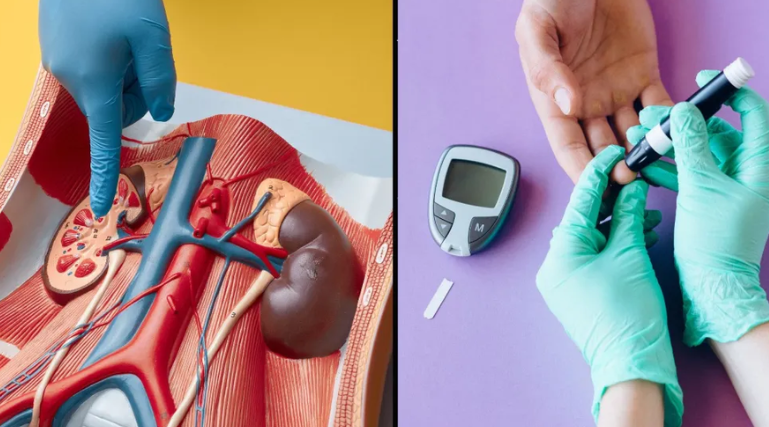
17 Aug 2026 Punjab Khabarnama Bureau : The kidneys are best known for filtering waste from the blood, but they also play an important role in maintaining healthy blood glucose levels by reabsorbing glucose and contributing to glucose production.
How Kidneys Handle Blood Sugar
Every day, the kidneys filter large amounts of blood through tiny structures called nephrons. Glucose passes into the initial filtrate along with other small molecules.
Under normal conditions, almost all of this filtered glucose is reabsorbed back into the bloodstream, mainly through transport proteins in the proximal tubules.
SGLT2 Plays a Key Role
A major transporter called SGLT2 is responsible for reabsorbing most filtered glucose.
This mechanism prevents valuable glucose from being lost through urine and helps maintain the body’s energy balance.
Another transporter, SGLT1, reabsorbs much of the remaining glucose further along the nephron.
Kidneys Can Also Make Glucose
The kidneys are capable of gluconeogenesis, meaning they can produce glucose from non-carbohydrate sources.
This becomes particularly important during fasting or prolonged periods without food, when the body needs to maintain enough glucose to supply organs such as the brain.
What Happens in Diabetes?
When blood glucose levels become very high, the kidneys’ ability to reabsorb glucose can be exceeded.
Glucose then begins to appear in the urine, a condition known as glucosuria.
Persistently high blood sugar can also damage the kidney’s filtering structures over time, contributing to diabetic kidney disease.
Why SGLT2 Inhibitors Matter
Scientists’ understanding of kidney glucose handling has also led to an important class of diabetes medicines called SGLT2 inhibitors.
These drugs reduce glucose reabsorption in the kidney, causing some excess glucose to leave the body through urine. They are also used in appropriate patients with certain heart and kidney conditions, not only diabetes.
The Kidney–Blood Sugar Connection
The relationship works in both directions: blood glucose affects kidney health, while kidney glucose handling influences blood sugar regulation.
This is why protecting kidney health is an important part of managing metabolic health, particularly for people living with diabetes.