

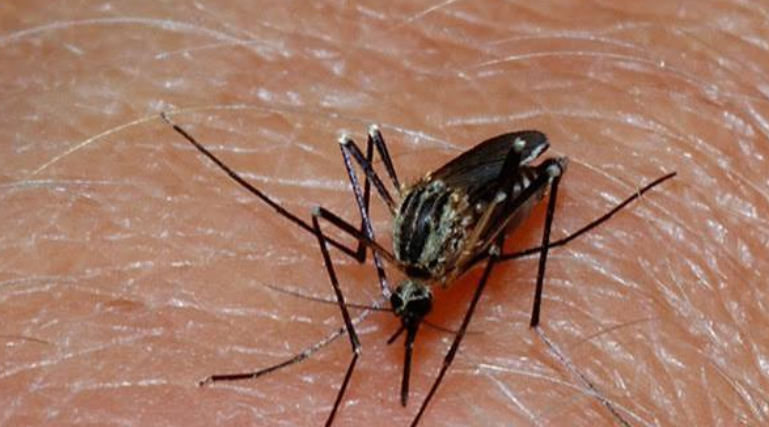
14 Aug 2026 Punjab Khabarnama Bureau : Scientists in Australia have developed an experimental vaccination strategy that could one day turn mosquito bites from a source of malaria infection into natural vaccine boosters.
Researchers at the Walter and Eliza Hall Institute of Medical Research (WEHI) found that an antimalarial drug candidate could prime the immune system to recognise malaria parasites, with later mosquito bites strengthening that immune response in mice.
How the Approach Works
The experimental strategy targets malaria parasites during their late liver stage, before they develop enough to cause disease.
Researchers used an antimalarial compound to expose the immune system to the parasite at a stage when it could generate a strong protective response.
When vaccinated mice were subsequently bitten by mosquitoes carrying malaria parasites, those exposures acted like immune-boosting events, strengthening protection rather than simply causing infection.
Protection Lasted for Almost Two Years
One of the most striking findings was the duration of protection.
The experimental approach protected mice against malaria for up to two years, a period equivalent to roughly two malaria seasons in real-world settings.
Why the Research Matters
Malaria remains one of the world’s major infectious-disease threats, particularly affecting young children and pregnant women.
Drug resistance is also making malaria control more difficult, creating a need for new prevention strategies that can stop parasites before they cause disease.
Mosquito Bites Become ‘Booster Shots’
The unusual concept is that mosquitoes could effectively deliver repeated exposure to malaria parasites after the initial vaccination has already prepared the immune system.
Instead of allowing the parasite to establish a dangerous infection, the immune response would be ready to attack it and become stronger with subsequent exposure.
Human Trials Still Needed
The findings are currently preclinical and were demonstrated in mice. They do not mean that people should deliberately expose themselves to malaria-infected mosquitoes.
Researchers will need to establish whether the approach is safe and effective in humans before it can become a vaccination strategy.
A New Direction in Malaria Prevention
The research represents a different way of thinking about vaccination: rather than simply providing repeated conventional booster doses, controlled exposure to the parasite could potentially reinforce long-lasting immunity.
If the approach translates successfully to humans, it could offer a new tool against malaria and help address the growing challenge of drug resistance.