

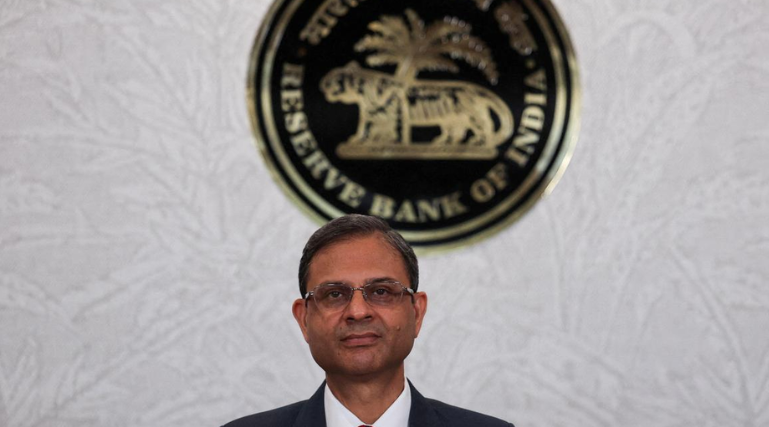
29 july 2026 Punjab Khabarnama Bureau : The Reserve Bank of India (RBI) has indicated that it considers the Indian rupee to be undervalued, meaning the currency may be trading below the level justified by India’s economic fundamentals.
This view has gained attention following strong foreign currency inflows, including a surge in Foreign Currency Non-Resident (Bank) [FCNR(B)] deposits, and the RBI’s continued management of the foreign exchange market.
What Does ‘Undervalued’ Mean?
A currency is considered undervalued when its exchange rate is weaker than what economic indicators such as productivity, trade performance, inflation, foreign exchange reserves and capital flows would normally suggest.
An undervalued currency can make a country’s exports more competitive because its goods become relatively cheaper in global markets.
Why the RBI May Hold This View
The RBI’s assessment appears to be based on several factors:
India continues to attract strong foreign investment and capital inflows. The country’s foreign exchange reserves remain among the largest globally. Economic growth has remained comparatively resilient, and exports of goods and services have strengthened over time.
Despite these positives, the rupee has remained under pressure due to external factors such as a strong U.S. dollar, global geopolitical tensions and rising crude oil prices.
Global Factors Influence the Rupee
The value of the rupee is not determined solely by India’s domestic economy.
International developments—including U.S. interest rates, global investor sentiment, oil prices and geopolitical conflicts—often increase demand for the U.S. dollar, putting pressure on emerging-market currencies, including the rupee.
Why Doesn’t the RBI Allow Sharp Appreciation?
The RBI generally aims to reduce excessive volatility rather than target a fixed exchange rate.
A sharply stronger rupee could make Indian exports less competitive and affect sectors that depend on overseas demand.
By managing currency movements carefully, the central bank seeks to balance inflation control, export competitiveness and financial stability.
Impact on Businesses and Consumers
An undervalued rupee has mixed effects.
Export-oriented industries often benefit because Indian products become more price-competitive abroad.
However, imports—including crude oil, electronics and machinery—become more expensive, potentially increasing inflationary pressures within the economy.
Looking Ahead
The rupee’s future movement will depend on domestic economic performance as well as global developments such as crude oil prices, U.S. monetary policy, foreign investment flows and geopolitical conditions.
The RBI is expected to continue intervening when necessary to ensure orderly market conditions while maintaining macroeconomic stability.