

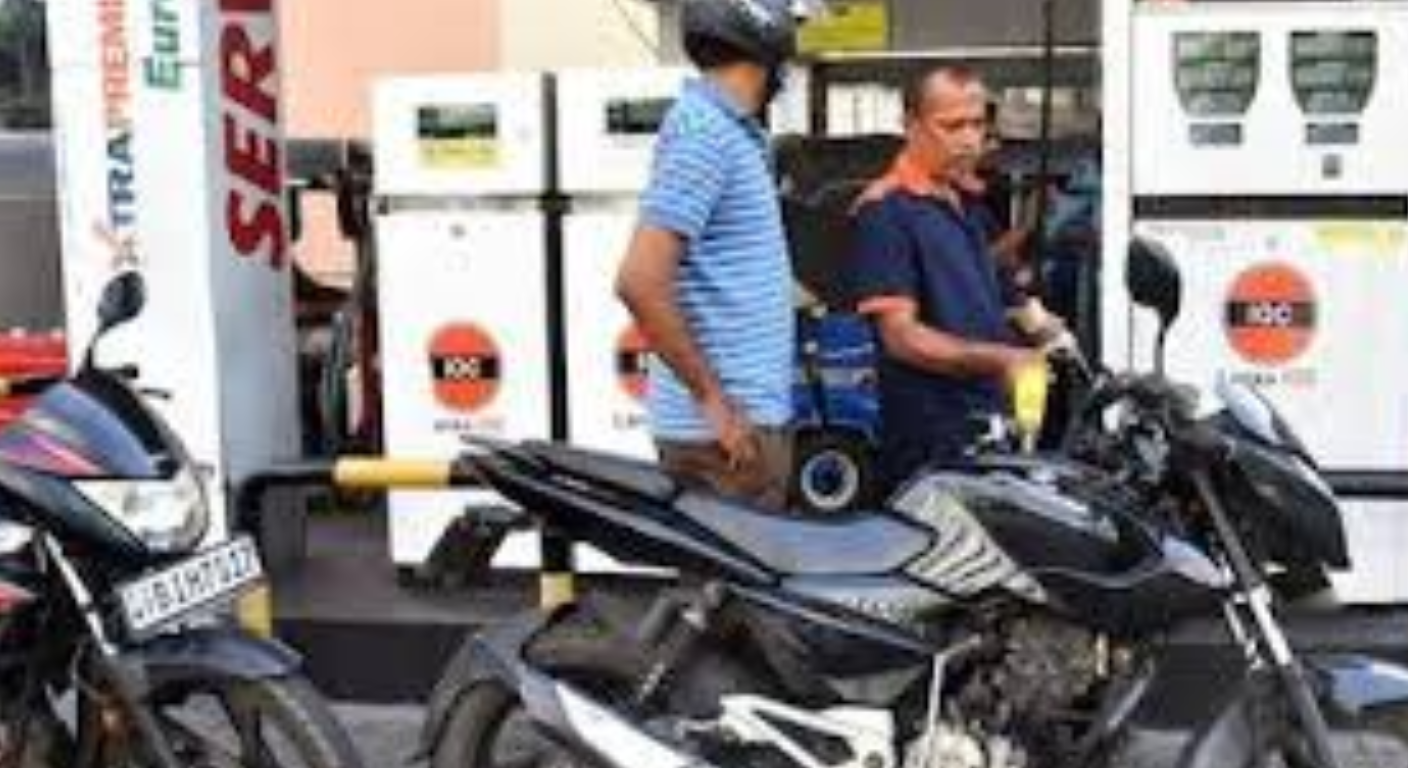
11 June 2026 Punjab Khabarnama Bureau : The Centre has exempted petrol blended with higher levels of ethanol from excise duty, extending tax benefits to fuel blends containing 22% to 30% ethanol, commonly known as E22, E25, E27 and E30 fuels. The move is part of India’s broader strategy to promote biofuels, reduce crude oil imports, and encourage cleaner transportation fuels.
What Has Changed?
Under the new notification, petrol blends containing between 22% and 30% ethanol will no longer attract central excise duty. The exemption applies to higher-ethanol blends beyond the currently prevalent E20 fuel.
Why Is The Government Doing This?
The policy aims to:
- Reduce India’s dependence on imported crude oil
- Promote domestically produced ethanol
- Lower carbon emissions from transportation
- Encourage adoption of flex-fuel vehicles
- Support the government’s biofuel and energy-security goals
Will Petrol Become Cheaper?
Not immediately for most consumers.
Current petrol and diesel prices across major Indian cities remain unchanged despite the excise-duty exemption. This is because higher-ethanol fuels are not yet widely available, and retail fuel prices depend on several factors including crude oil prices, taxes, dealer commissions, and state levies.
Who Benefits First?
The biggest beneficiaries initially are likely to be:
- Oil marketing companies producing higher-ethanol fuels
- Sugar and ethanol producers
- Owners of flex-fuel vehicles capable of using high-ethanol blends
- The government through reduced oil-import dependence
Impact On Vehicle Owners
Most existing petrol vehicles are designed for E20 fuel. Higher blends such as E22-E30 and especially E85 require compatible engines or flex-fuel technology. Therefore, the immediate impact on ordinary motorists may be limited until more compatible vehicles and fuel stations become available.
Bigger Picture
The excise-duty waiver signals that India is moving beyond E20 blending and preparing for wider adoption of higher-ethanol fuels. The announcement comes shortly after the launch of E85 fuel, which is priced significantly lower than conventional petrol and is intended for flex-fuel vehicles.
What It Means For You
For now:
- No immediate reduction in petrol prices.
- Existing vehicles can continue using currently approved fuel grades.
- Flex-fuel vehicle owners may benefit from cheaper high-ethanol fuels as availability expands.
In the long term:
- Potentially lower fuel costs.
- Reduced dependence on imported oil.
- Cleaner transportation with lower emissions.
- Greater availability of ethanol-blended fuels across India.