

8 June 2026 Punjab Khabarnama Bureau : The conflict between Israel and Iran has sharply escalated as both sides exchanged fresh missile and airstrikes, raising fears that the Middle East could be sliding toward a broader regional war.
The latest wave of attacks marks one of the most serious direct confrontations between the two countries in recent months, with both militaries targeting strategic infrastructure and signalling continued retaliation.
Strikes On Both Sides
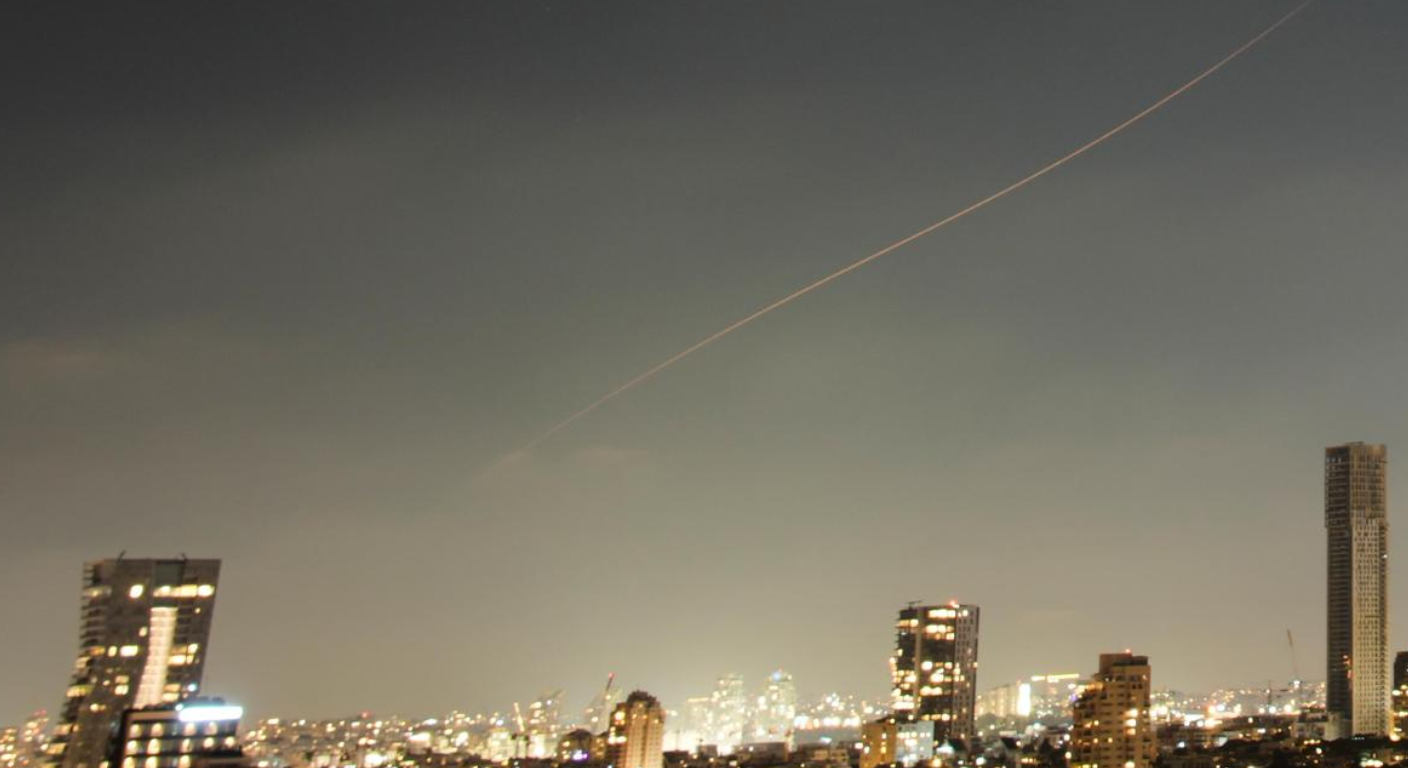
According to reports, Israel carried out air and missile strikes on targets inside Iran, including military infrastructure and energy-related facilities. In response, Iran launched missile attacks toward Israeli territory, triggering air raid sirens and missile interceptions in multiple areas.
The exchanges come despite earlier diplomatic efforts to contain escalation following previous ceasefire arrangements, which now appear increasingly fragile.
Risk Of Regional Spillover
The renewed fighting has intensified concerns that the conflict could draw in allied groups and neighbouring states.
Iran-aligned groups, including regional proxy forces, have reportedly increased threats against Israeli-linked assets, raising the risk of multi-front escalation across the Middle East.
Strategic Targets Hit
Recent strikes have reportedly included military bases, missile infrastructure, and energy facilities, signalling an expansion of targets beyond purely defensive or tactical sites.
Such actions are widely seen by analysts as a dangerous escalation step that increases the risk of sustained retaliation cycles.
Global Economic Concerns
Markets are closely watching developments, particularly oil prices and shipping routes, as any disruption in the Strait of Hormuz or Red Sea corridors could have immediate global economic consequences.
Energy analysts warn that prolonged conflict could push up oil prices and add inflationary pressure worldwide.
Diplomatic Pressure Builds
International actors are calling for restraint as fears grow of a broader war involving multiple regional powers.
Efforts by global and regional mediators to restore calm are underway, but the continued exchange of strikes has complicated diplomatic progress.
Situation Highly Volatile
Security experts say the current phase reflects a high-risk escalation cycle, where each retaliation increases the likelihood of further expansion.
The coming days are expected to be critical in determining whether the conflict stabilises or spreads into a wider regional confrontation.