

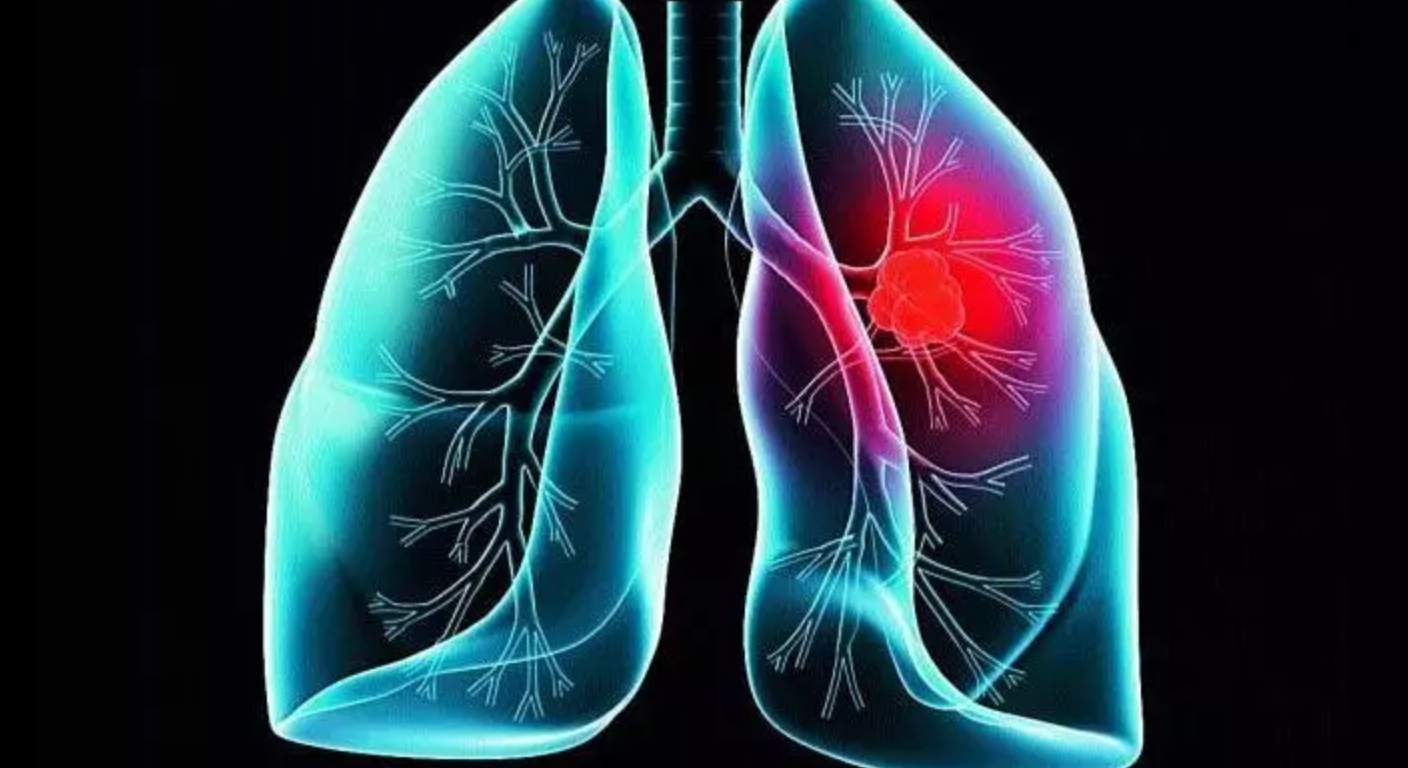
2 June 2026 Punjab Khabarnama Bureau : A new experimental cancer treatment has shown encouraging early results by helping the body’s immune system recognize and attack tumors that would otherwise remain hidden. Researchers describe the approach as removing cancer’s “invisibility cloak,” potentially opening a new front in the fight against the disease.
The findings come from an early-stage clinical trial that tested the drug’s ability to expose cancer cells to immune defenses, allowing the body’s natural protection mechanisms to identify and target malignant tissue.
How The Drug Works
Many cancers evade the immune system by using biological mechanisms that prevent immune cells from recognizing them as threats.
The experimental drug is designed to interfere with these mechanisms, making tumor cells more visible to immune defenses. Researchers say this could improve the effectiveness of existing cancer treatments, particularly immunotherapies.
Early Trial Results Encouraging
In the initial trial, some patients experienced tumor shrinkage or disease stabilization after receiving the treatment.
Scientists cautioned that the study was primarily designed to evaluate safety and determine appropriate dosing, meaning larger trials will be needed to confirm effectiveness.
Potential Breakthrough In Immunotherapy
Cancer immunotherapy has transformed treatment for several cancers over the past decade, but many patients do not respond because tumors successfully avoid immune detection.
Researchers believe the new drug could potentially:
- Improve immune recognition of tumors
- Enhance response to immunotherapy
- Reduce cancer resistance mechanisms
- Increase treatment effectiveness
- Support combination therapies
Focus On Hard-To-Treat Cancers
The treatment is being explored for cancers that have traditionally been difficult to treat with existing immunotherapies.
Scientists are investigating whether the drug can help overcome resistance in patients whose tumors have stopped responding to standard treatments.
Safety Profile Being Evaluated
Early findings suggest the drug’s side effects have been manageable, although researchers emphasize that long-term safety remains under investigation.
Participants in the study continue to be monitored for adverse reactions and treatment outcomes.
Importance Of Early-Stage Trials
Experts note that promising results in early trials do not guarantee success in later phases of development.
Many experimental cancer therapies show encouraging initial findings but require extensive testing before receiving regulatory approval.
Next Steps For Researchers
Future studies are expected to involve:
- Larger patient groups
- Multiple cancer types
- Combination treatment strategies
- Long-term outcome analysis
- Comparative effectiveness testing
These trials will help determine whether the treatment can provide meaningful benefits beyond current standards of care.
Growing Interest In Precision Cancer Medicine
The development reflects broader efforts to create more targeted cancer therapies that work with the immune system rather than relying solely on surgery, chemotherapy, or radiation.
Scientists increasingly focus on understanding how tumors interact with immune cells and how those interactions can be modified to improve patient outcomes.
Hope For Patients
While researchers stress that the drug remains experimental, the early findings have generated optimism within the oncology community.
If future trials confirm the results, the treatment could become part of a new generation of therapies designed to expose cancer cells and strengthen the body’s natural ability to fight disease.
More Research Needed
Medical experts emphasize that patients should view the findings as promising but preliminary.
Additional clinical trials and regulatory review will be necessary before the drug could become widely available for cancer treatment.