

18 May 2026 Punjab Khabarnama Bureau : The World Health Organization has declared the ongoing Ebola outbreak in the Democratic Republic of Congo and Uganda a Public Health Emergency of International Concern (PHEIC), just ahead of the start of the annual World Health Assembly in Geneva.
The announcement has placed global health preparedness and outbreak response at the center of discussions as health ministers, medical experts, and international agencies gather for the high-level assembly beginning today. WHO officials said the emergency declaration reflects growing concern over the spread of the virus, cross-border transmission risks, and uncertainty surrounding the actual scale of infections.
According to WHO data, the outbreak linked to the rare Bundibugyo strain of Ebola has already resulted in at least 246 suspected cases and around 80 suspected deaths in eastern Congo’s Ituri Province. Confirmed cases have also emerged in neighboring Uganda after infected travelers crossed the border.
Health officials warned that the outbreak may be significantly larger than currently reported because several suspected community deaths are still under investigation. WHO said delayed detection, conflict-hit regions, weak healthcare infrastructure, and movement across borders have increased the risk of further spread.
One of the major concerns surrounding the current outbreak is that it involves the Bundibugyo strain of Ebola, for which there is currently no approved vaccine or virus-specific treatment. Experts say this makes containment efforts more complicated compared to earlier Ebola outbreaks involving the Zaire strain, where vaccines and targeted therapies were available.
WHO Director-General Tedros Adhanom Ghebreyesus said the emergency designation is intended to mobilize international support, funding, surveillance, and medical coordination before the situation worsens further. However, the organization clarified that the outbreak does not currently meet the criteria for a global pandemic emergency.
The outbreak is centered mainly in conflict-affected regions of eastern Congo, where ongoing violence and humanitarian instability have made health operations extremely difficult. WHO reported that several healthcare workers have already died, raising fears about infection control failures and the vulnerability of frontline medical staff.
Authorities are particularly concerned about cross-border movement because the affected region is closely connected to Uganda and other neighboring countries through trade and migration routes. Uganda has already confirmed imported cases linked to travelers arriving from Congo.
The emergency declaration comes at a critical moment as delegates from around the world gather at the World Health Assembly to discuss international disease preparedness, emergency response systems, vaccine access, and global health funding. The Ebola outbreak is expected to dominate several discussions during the meeting.
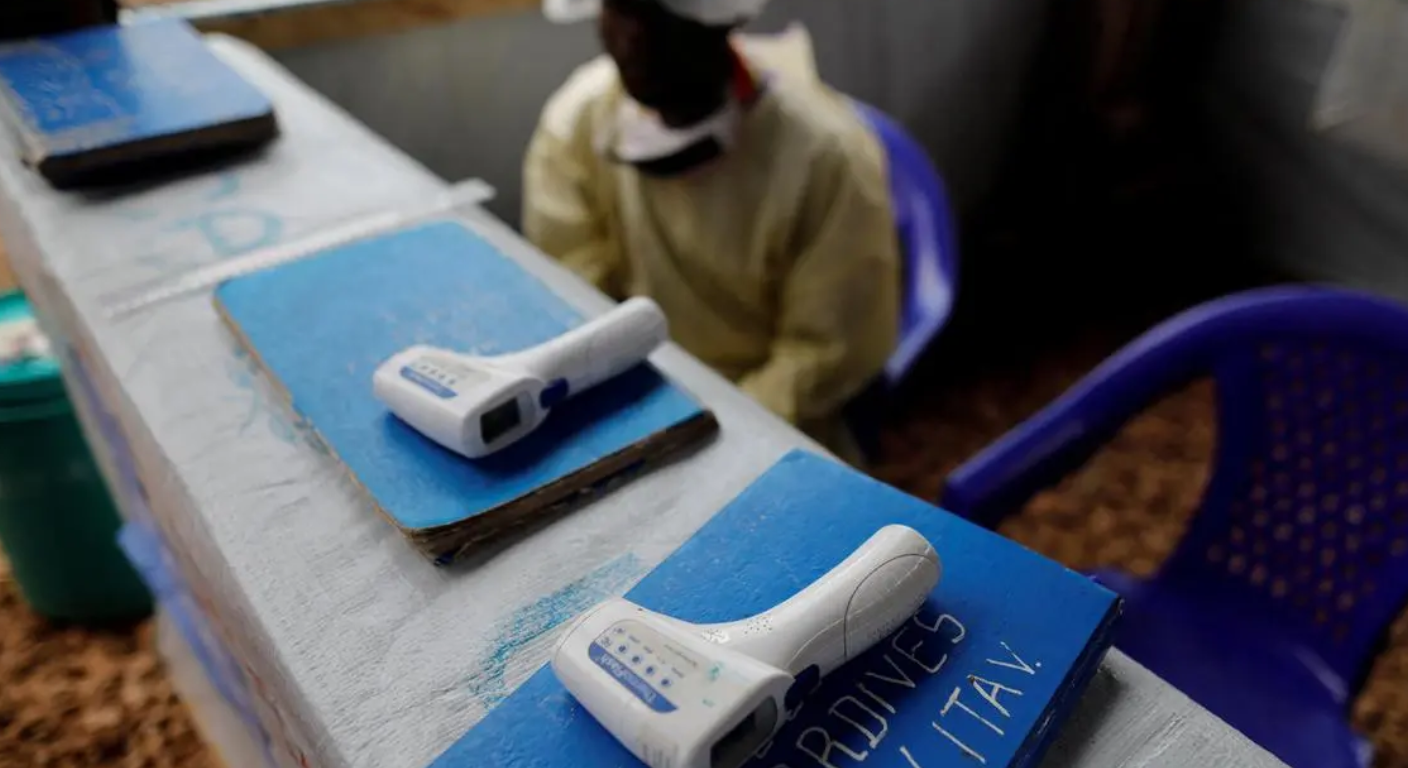
Public health experts believe the declaration sends a strong signal to governments and humanitarian agencies that rapid action is necessary to prevent the outbreak from escalating into a broader regional crisis. Emergency response teams have already been deployed to affected areas, while surveillance and screening at border points have been intensified.
WHO and partner organizations are also increasing efforts related to contact tracing, isolation centers, laboratory testing, and public awareness campaigns. Medical supplies and protective equipment are being rushed to vulnerable areas where health systems remain fragile.
Despite the seriousness of the situation, experts emphasized that Ebola spreads differently from airborne diseases such as COVID-19. The virus primarily spreads through direct contact with infected bodily fluids, contaminated materials, or infected individuals showing symptoms. However, poor sanitation, delayed diagnosis, and weak healthcare access can significantly worsen outbreaks.
The current outbreak has revived memories of previous Ebola epidemics in Africa, especially the devastating West African outbreak between 2014 and 2016 that killed thousands of people and overwhelmed healthcare systems across several countries.
Health analysts say the next few weeks will be critical in determining whether authorities can contain the virus through rapid intervention and international cooperation. WHO officials have urged countries not to impose unnecessary travel or trade restrictions but instead strengthen monitoring and preparedness systems.
As the World Health Assembly opens today, the Ebola emergency is expected to reinforce calls for stronger global disease surveillance, faster outbreak response mechanisms, and improved healthcare investment in vulnerable regions.