

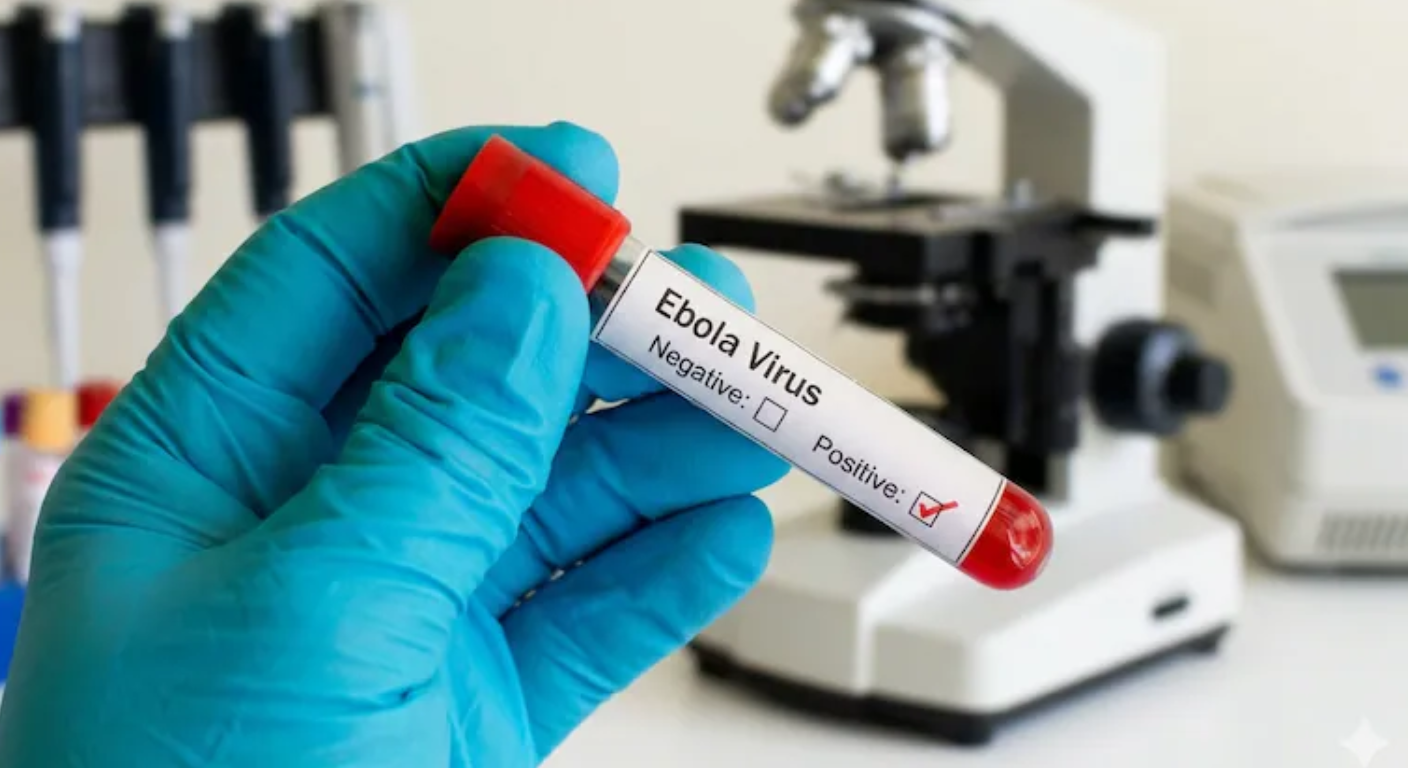
18 May 2026 Punjab Khabarnama Bureau : The World Health Organization has declared the ongoing Ebola outbreak in the Democratic Republic of Congo a global public health emergency, raising international concern over the rapid spread of the deadly virus and the growing risk of cross-border transmission.
The declaration, officially known as a Public Health Emergency of International Concern (PHEIC), was issued after health experts warned that the outbreak posed a serious threat not only to Congo but also to neighboring countries and global public health systems. The decision followed emergency meetings involving international health officials, epidemiologists, and humanitarian agencies monitoring the outbreak.
According to WHO officials, the outbreak has already resulted in multiple deaths and hundreds of suspected and confirmed infections in affected regions of eastern Congo. Health authorities have expressed concern over difficulties in containing the virus due to ongoing armed conflict, population displacement, weak healthcare infrastructure, and mistrust among local communities.
Ebola is one of the world’s deadliest viral diseases, known for causing severe bleeding, organ failure, and high fatality rates. The virus spreads through direct contact with bodily fluids of infected individuals, contaminated surfaces, or infected animals. Symptoms often begin with fever, weakness, muscle pain, and headaches before progressing into vomiting, diarrhea, internal bleeding, and organ complications.
Health experts say the current outbreak is particularly serious because it is occurring in densely populated areas with frequent movement of people across borders. The affected region in eastern Congo shares close links with neighboring countries including Uganda, Rwanda, South Sudan, and Burundi, increasing fears of international spread.
WHO officials warned that security challenges in the region have complicated emergency response operations. Armed groups operating in parts of eastern Congo have repeatedly disrupted medical missions, attacked healthcare centers, and restricted access for humanitarian workers. These conditions have made vaccination campaigns, patient tracing, and treatment efforts extremely difficult.
The outbreak has also raised concern because some infected individuals reportedly traveled through populated urban areas before being diagnosed, increasing the possibility of wider community transmission. Health agencies are now intensifying surveillance at airports, border crossings, and healthcare facilities across central and eastern Africa.
International health organizations have mobilized emergency response teams, medical supplies, vaccines, and funding to support containment efforts. WHO said rapid detection, isolation of patients, contact tracing, and vaccination remain the most critical tools in stopping the outbreak from expanding further.
One major reason the situation is considered serious is the high fatality rate associated with Ebola. Depending on the strain and access to treatment, Ebola mortality rates can range from 25 percent to as high as 90 percent in severe outbreaks. Early medical intervention significantly improves survival chances, but many remote areas in Congo lack proper healthcare facilities and trained personnel.
Another challenge involves misinformation and fear among local communities. In previous Ebola outbreaks, distrust toward health workers and government authorities slowed containment efforts. Some communities resisted vaccination drives or avoided treatment centers due to fear, rumors, or cultural practices surrounding burials and caregiving.
WHO’s declaration of a global health emergency does not necessarily mean the disease has spread worldwide, but it signals that the outbreak requires urgent international coordination and resources. The designation is intended to encourage governments, donors, and global agencies to increase support for containment measures before the situation worsens.
Public health experts have emphasized that while Ebola is highly dangerous, it is not as easily transmissible as airborne diseases like influenza or COVID-19. Ebola generally spreads through close physical contact with infected bodily fluids rather than casual interaction. However, poor sanitation, weak medical systems, and delayed diagnosis can accelerate outbreaks in vulnerable regions.
Vaccines and treatments developed in recent years have improved the ability to control Ebola outbreaks compared to earlier decades. Experimental vaccines used during previous outbreaks in West and Central Africa helped reduce transmission rates significantly. WHO officials said vaccination campaigns are being expanded in high-risk areas to protect frontline workers and close contacts of infected individuals.
Governments across Africa and international health agencies are also strengthening border screening and preparedness plans to prevent further regional spread. Hospitals in neighboring countries have been advised to enhance monitoring systems and prepare isolation facilities in case infections cross borders.
The Democratic Republic of Congo has experienced several Ebola outbreaks over the past decades, but experts warn the current situation could become more difficult due to conflict-related instability and humanitarian challenges.
As the outbreak continues, global health authorities are urging coordinated international action, stronger medical support, and public awareness campaigns to contain the virus and prevent a wider humanitarian crisis.