

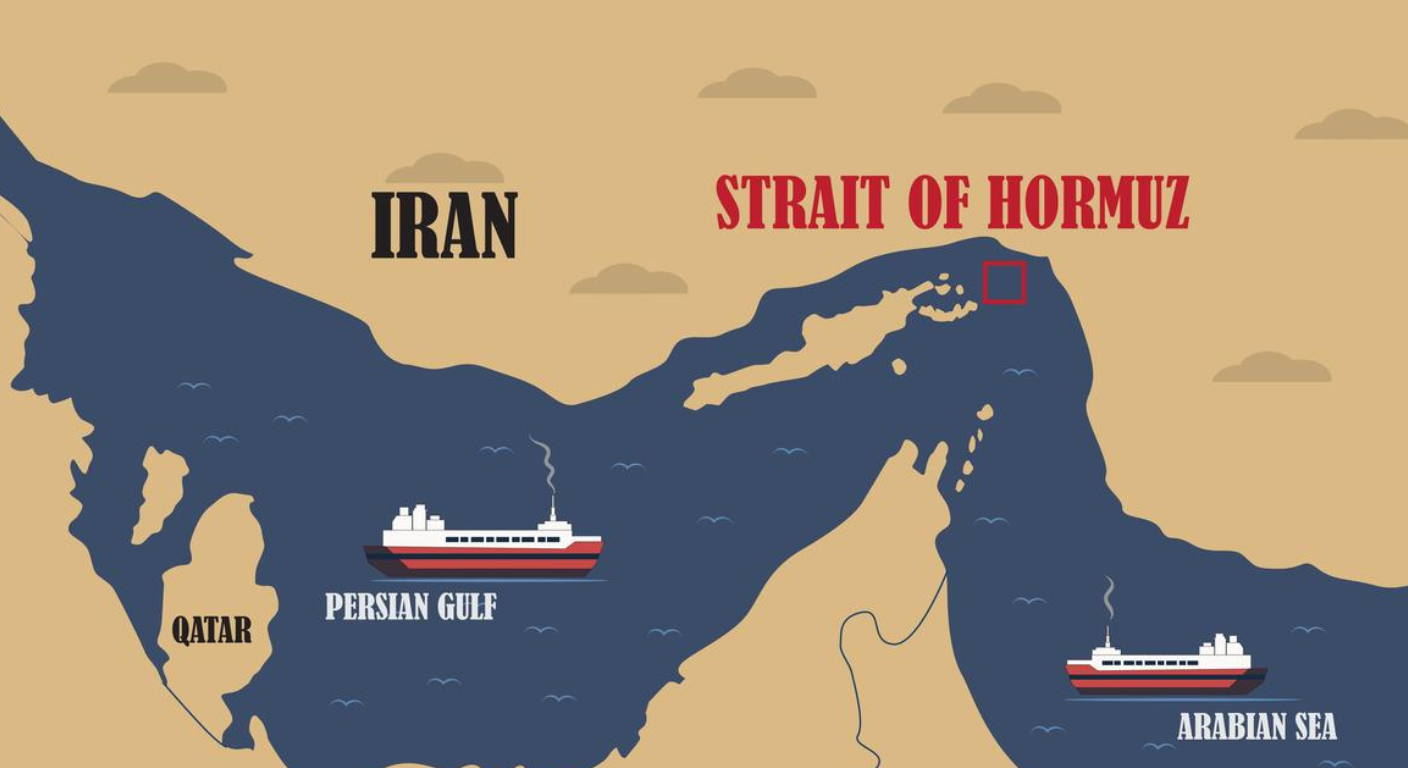
18 May 2026 Punjab Khabarnama Bureau : Iran has officially announced the formation of a new body to manage operations and maritime traffic in the strategically important Strait of Hormuz, a move that is expected to have major geopolitical and economic implications across the world.
According to Iranian authorities, the newly created “Persian Gulf Strait Authority” (PGSA) will oversee developments, shipping operations, and regulatory mechanisms connected to the Strait of Hormuz, one of the world’s most critical oil transit routes. The announcement was made by Iran’s Supreme National Security Council through its official social media channels.
The Strait of Hormuz is a narrow but extremely vital waterway connecting the Persian Gulf to the Gulf of Oman and the Arabian Sea. Nearly one-fifth of the world’s oil and liquefied natural gas shipments traditionally pass through this route, making it one of the most strategically sensitive maritime corridors globally.
Iran stated that the new authority would provide “real-time updates” related to operations and developments in the strait. Reports in Iranian state-linked media suggested that the body would also regulate maritime movement and implement new transit procedures for vessels passing through the area.
The move comes amid heightened regional tensions following months of conflict involving Iran, the United States, and Israel. Iran has significantly tightened control over shipping activity in the Strait of Hormuz since the outbreak of regional hostilities earlier this year. Tehran has repeatedly indicated that maritime movement through the strait would not return to its previous status without new security arrangements and regulations.
Iranian broadcaster Press TV earlier reported that all vessels intending to cross the strait would receive transit instructions and operational guidelines through the newly established mechanism. Ships are reportedly required to comply with Iranian regulations and obtain authorization before entering the strategic passage.
The establishment of the Persian Gulf Strait Authority is being viewed by analysts as part of Iran’s broader strategy to strengthen administrative and military oversight over the region. Iranian officials have increasingly described the Strait of Hormuz as a larger “operational zone” rather than a narrow maritime channel.
Recent statements by officials linked to the Islamic Revolutionary Guard Corps (IRGC) suggested that Iran intends to redefine the strategic boundaries of the strait and expand its monitoring and control mechanisms. Some reports indicated that Iran may also impose tolls or service charges on vessels seeking safe passage through the waterway.
The announcement has drawn international attention because any disruption or tighter regulation in the Strait of Hormuz can directly affect global energy markets. Oil-importing countries closely monitor developments in the region, as tensions in the strait often lead to fluctuations in crude oil prices and shipping insurance costs.
Energy experts warn that uncertainty surrounding maritime traffic in the region could create pressure on global supply chains and fuel markets. Several Gulf countries, including Saudi Arabia, Iraq, Qatar, and the United Arab Emirates, rely heavily on the route for energy exports to Asia, Europe, and other international markets.
Security analysts believe the formation of the new body reflects Iran’s attempt to institutionalize its control over maritime operations during a period of geopolitical confrontation. The move could also increase tensions with Western powers that support freedom of navigation in international waters.
The United States and its allies have repeatedly emphasized the importance of maintaining open shipping lanes in the Gulf region. Washington has previously criticized Iranian attempts to restrict or monitor commercial movement through the strait, arguing that international maritime routes must remain accessible to global trade.
Meanwhile, Iranian lawmakers and military-linked officials have defended the new framework, saying it is necessary for regional security and protection of national sovereignty. Iranian officials claim the mechanism will improve coordination, reduce security risks, and create a more structured system for vessels operating in sensitive waters.
Political observers say the new authority may also become an important diplomatic and strategic tool for Tehran in future negotiations involving sanctions, maritime security, and regional conflicts.
Despite the controversy surrounding the announcement, Iranian authorities have not yet fully clarified the exact powers, enforcement structure, or operational framework of the Persian Gulf Strait Authority. However, the announcement itself signals a major shift in how Tehran intends to manage one of the world’s most critical maritime chokepoints.
As international stakeholders continue to monitor the situation, the future functioning of the Strait of Hormuz is expected to remain central to discussions on global energy security, Middle East stability, and international maritime law.