

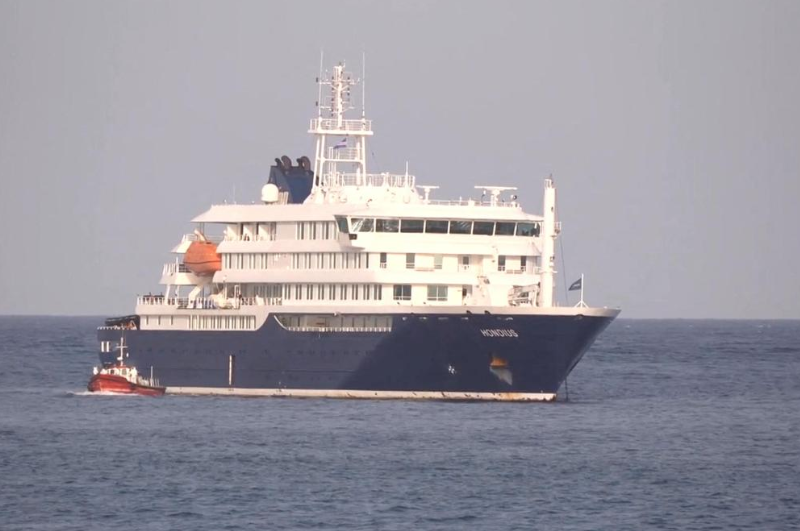
6 May 2026 Punjab Khabarnama Bureau : A health alert has emerged after reports of a suspected Hantavirus outbreak aboard an Atlantic cruise ship, prompting concern among passengers, health authorities, and the wider public. While investigations are ongoing, officials have begun piecing together what is known so far about the situation, including potential sources of infection and the risk to those onboard.
What is Hantavirus?
Hantavirus refers to a group of viruses primarily spread by rodents, particularly through contact with their urine, droppings, or saliva. In humans, infection can lead to serious respiratory illness known as Hantavirus Pulmonary Syndrome (HPS), which can be life-threatening if not treated promptly.
Unlike viruses such as influenza or COVID-19, hantavirus is not typically transmitted from person to person. This key difference has influenced how authorities are responding to the cruise ship incident.
What Happened on the Cruise Ship?
Initial reports indicate that several passengers aboard an Atlantic cruise ship developed symptoms consistent with hantavirus infection during the voyage. These symptoms reportedly included fever, fatigue, muscle aches, and in some cases, respiratory distress.
Medical teams onboard identified the cases and initiated isolation protocols for affected individuals. The ship’s crew also began enhanced sanitation and monitoring measures to prevent further spread and ensure passenger safety.
Health authorities were alerted as soon as the suspected cases were identified, and coordination began with port officials to manage the situation upon arrival.
Possible Source of Infection
Investigators are focusing on potential rodent exposure as the most likely source of the outbreak. Cruise ships, despite strict hygiene standards, can occasionally face challenges related to pest control, particularly in storage or cargo areas.
Experts suggest that contamination of food supplies or living spaces by rodent droppings could be a possible route of exposure. However, no definitive source has been confirmed so far.
Authorities are conducting thorough inspections of the ship, including kitchens, storage areas, and ventilation systems, to identify any signs of infestation or contamination.
Risk to Passengers and Crew
One of the reassuring aspects of the situation is that hantavirus is not easily spread between people. This significantly reduces the risk of a large-scale outbreak onboard.
However, the severity of the disease in infected individuals remains a concern. Hantavirus infections can progress rapidly, particularly affecting the lungs, and require immediate medical attention.
Passengers who were in close proximity to the suspected cases are being monitored for symptoms. Health advisories have also been issued, urging anyone experiencing signs of illness to seek medical care promptly.
Response Measures
The cruise operator has implemented a series of response measures to contain the situation:
- Isolation of symptomatic passengers
- Enhanced cleaning and disinfection protocols
- Medical evaluation and monitoring of passengers and crew
- Coordination with health authorities at upcoming ports
Upon docking, affected individuals are expected to be transferred to medical facilities for further evaluation and treatment.
Public health teams may also conduct contact tracing and testing to ensure that no additional cases are missed.
Expert Insights
Health experts emphasize that while hantavirus cases are rare, they can be serious. Early detection and supportive care are critical to improving outcomes.
They also note that outbreaks in confined environments like cruise ships require swift and coordinated responses to minimize risk and reassure passengers.
“This is not a highly contagious virus like COVID-19, but it is important to identify and manage cases quickly,” a public health specialist said.
Passenger Reactions
News of the suspected outbreak has understandably caused चिंता among passengers and their families. Some travelers have expressed concern about the delay in information, while others have praised the crew’s handling of the situation.
Cruise operators are working to maintain transparency and provide regular updates to passengers, aiming to balance caution with reassurance.
Broader Context
The incident highlights the challenges of managing health risks in travel environments, particularly on cruise ships where large numbers of people share confined spaces.
It also underscores the importance of robust health protocols, including pest control, sanitation, and rapid response systems.
In recent years, the cruise industry has significantly strengthened its health and safety measures, especially in the wake of the COVID-19 pandemic. The current situation will likely lead to further समीक्षा and improvements.
What Happens Next
As investigations continue, authorities will aim to confirm whether the cases are indeed caused by hantavirus and identify the source of exposure. Findings from the probe will help guide future prevention strategies.
Passengers and crew are advised to remain vigilant for symptoms and follow health guidelines. Those who have recently disembarked from the ship may also be contacted by health authorities for follow-up.
Conclusion
The suspected Hantavirus outbreak aboard an Atlantic cruise ship has raised important questions about health safety in travel settings. While the risk of widespread transmission appears low, the seriousness of the illness requires careful monitoring and swift action.
As more information becomes available, authorities and the cruise operator are expected to provide updates, ensuring that passengers, crew, and the public remain informed and protected.
Summary:
A suspected hantavirus outbreak on an Atlantic cruise ship prompted health alerts. Authorities are investigating rodent exposure as the source while monitoring passengers, though human-to-human transmission risk remains low.