

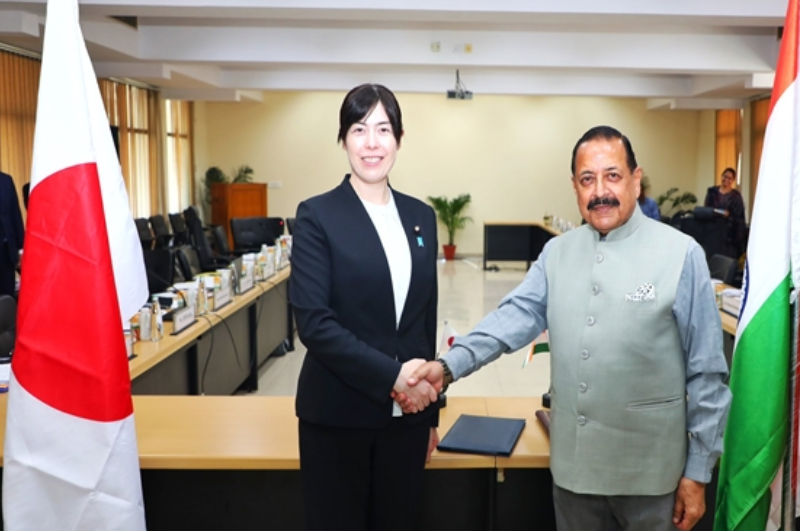
6 May 2026 Punjab Khabarnama Bureau : Japan and India have stepped up efforts to deepen collaboration in the healthcare and medical device sectors, signaling a growing partnership aimed at advancing innovation, improving access to quality care, and strengthening industrial capabilities in both countries.
During recent discussions between officials and industry representatives, both sides explored opportunities to expand cooperation across a wide range of areas, including medical device manufacturing, regulatory alignment, research and development, and technology transfer. The talks reflect a shared commitment to leveraging each country’s strengths to address global healthcare challenges.
Focus on Medical Device Manufacturing
One of the key areas of collaboration is the development of medical device manufacturing capabilities. India, with its large domestic market and growing demand for affordable healthcare solutions, presents a significant opportunity for Japanese companies known for their advanced technology and precision engineering.
Japanese firms have long been recognized for their expertise in high-quality medical equipment, while India offers cost advantages and a rapidly expanding healthcare infrastructure. By combining these strengths, both countries aim to boost production, reduce import dependence, and enhance global competitiveness.
Technology Transfer and Innovation
Technology transfer emerged as a central theme in the discussions. Japan’s advanced research capabilities and India’s innovation ecosystem can complement each other, fostering the development of cutting-edge medical technologies.
Collaborative research initiatives, joint ventures, and partnerships between academic institutions and industry players are expected to play a crucial role in driving innovation. Areas such as diagnostic devices, digital health solutions, and minimally invasive technologies are likely to be key focus points.
Regulatory Harmonization
Another important aspect of the talks was regulatory alignment. Differences in regulatory frameworks can often pose challenges for cross-border collaboration in the healthcare sector. Both countries emphasized the need to streamline approval processes and ensure compliance with international standards.
Efforts to harmonize regulations could facilitate faster market entry for medical devices and improve patient access to advanced technologies. This would also encourage greater investment from companies looking to expand their presence in both markets.
Investment Opportunities
The discussions also highlighted significant investment opportunities in the healthcare sector. Japanese companies are increasingly looking at India as a strategic destination for expansion, given its large population, rising healthcare needs, and supportive government policies.
India’s push for self-reliance in medical device manufacturing, under initiatives such as “Make in India,” aligns well with Japan’s interest in diversifying supply chains and strengthening economic partnerships.
Strengthening Healthcare Systems
Beyond industrial collaboration, the partnership aims to strengthen healthcare systems in both countries. This includes improving access to quality medical devices, enhancing healthcare delivery, and addressing public health challenges.
India can benefit from Japan’s experience in advanced healthcare systems, including elderly care and precision medicine. At the same time, Japan can gain insights from India’s large-scale healthcare programs and cost-effective solutions.
Global Implications
The collaboration between Japan and India has broader global implications. By working together, the two countries can contribute to addressing global healthcare challenges, such as aging populations, rising chronic diseases, and the need for affordable medical technologies.
Their partnership could also play a role in strengthening global supply chains for medical devices, which have faced disruptions in recent years due to geopolitical tensions and pandemics.
Industry and Government Support
The success of this collaboration will depend on strong support from both governments and industry stakeholders. Policymakers are expected to facilitate partnerships through favorable policies, incentives, and infrastructure development.
Industry players, on the other hand, will need to invest in research, innovation, and capacity building to fully realize the potential of this partnership.
Challenges Ahead
While the prospects are promising, certain challenges remain. These include regulatory complexities, intellectual property concerns, and the need for skilled workforce development. Addressing these issues will be crucial for sustaining long-term collaboration.
Conclusion
The discussions between Japan and India mark an important step toward strengthening ties in the healthcare and medical device sectors. By focusing on manufacturing, innovation, and regulatory alignment, both countries aim to create a mutually beneficial partnership that enhances healthcare outcomes and drives economic growth.
As the collaboration evolves, it is expected to open new avenues for investment, innovation, and global leadership in the healthcare industry.
Summary:
Japan and India discussed expanding collaboration in healthcare and medical devices, focusing on manufacturing, innovation, and regulatory alignment to boost investment, technology transfer, and improve healthcare access in both countries.