

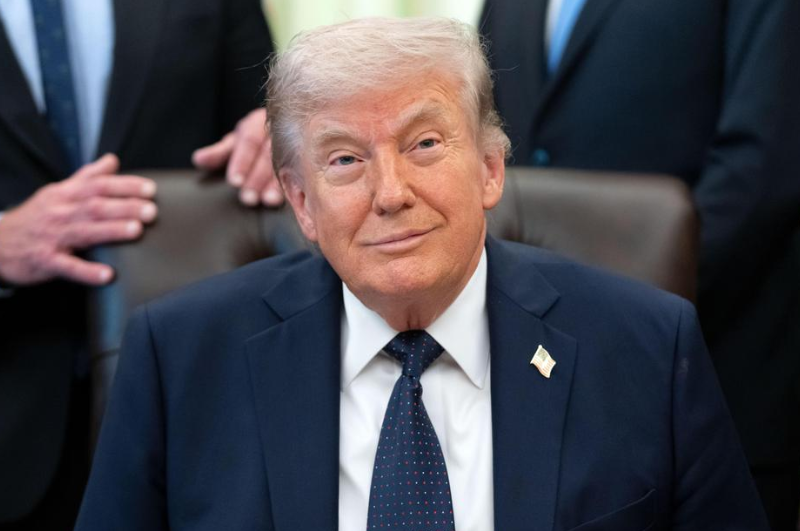
24 April 2026 Punjab Khabarnama Bureau : Donald Trump has said that the United States is under no pressure to quickly end its conflict with Iran, but warned that “the clock is ticking” for Tehran, signalling a mix of strategic patience and continued pressure.
According to recent statements, Trump emphasised that while Washington is not rushing into a deal, time is working against Iran. He indicated that any agreement would only be reached if it aligns with U.S. interests and delivers long-term outcomes rather than a quick resolution.
The remarks come amid heightened tensions in the Middle East, where a fragile ceasefire remains in place but underlying conflict dynamics continue. Trump has maintained that the U.S. has the upper hand in the situation, pointing to military pressure and economic restrictions as key leverage points.
In a strongly worded message, Trump suggested that Iran’s military capabilities have been significantly weakened and that ongoing measures, including a blockade, are exerting sustained pressure on the country. He reiterated that while the U.S. can afford to wait, Iran may face increasing challenges if a resolution is delayed.
The broader context of Trump’s statement reflects a stalled diplomatic environment. While ceasefire discussions have been ongoing, progress has been slow, and incidents in critical areas such as the Strait of Hormuz have added to instability.
At the same time, the U.S. has increased its military presence in the region, including deploying additional naval assets. This move is widely seen as part of a strategy to maintain pressure while leaving room for negotiations.
Trump’s stance suggests a deliberate approach—avoiding haste while keeping diplomatic and military pressure intact. He has indicated that any agreement must be “appropriate and good” for the United States and its allies, reinforcing a hardline negotiating position.
Experts say such messaging serves multiple purposes. It signals to Iran that delays could worsen its position, while also reassuring domestic and international audiences that the U.S. is not compromising on its objectives. However, it also carries the risk of prolonging the conflict if both sides remain firm.
The ongoing situation has significant global implications. Disruptions linked to the conflict, particularly in energy supply routes, have already impacted oil prices and market stability. The longer the standoff continues, the greater the potential economic consequences.
Iran, for its part, has called for the removal of certain restrictions, including maritime blockades, as a condition for further talks. The gap between the two sides’ positions highlights the challenges in reaching a comprehensive agreement.
Analysts note that the phrase “clock is ticking” is often used as a strategic signal in diplomacy, implying urgency without committing to a timeline. In this case, it underscores the pressure on Iran while allowing the U.S. flexibility in its approach.
The situation remains fluid, with both diplomatic and military developments shaping the trajectory of the conflict. Any escalation or breakthrough could significantly alter the current dynamics.
For now, Trump’s comments reinforce a clear message: the U.S. is willing to wait for the right deal, but Iran may not have the same luxury. The coming weeks will be crucial in determining whether negotiations gain momentum or tensions escalate further.
Summary
Donald Trump said the U.S. is not rushing into a deal with Iran but warned “the clock is ticking,” signalling continued pressure as ceasefire talks stall and regional tensions persist.